



 GET FREE ROOF ESTIMATE
 Understanding Your Flat Roof Replacement Timeline From Start to Finish
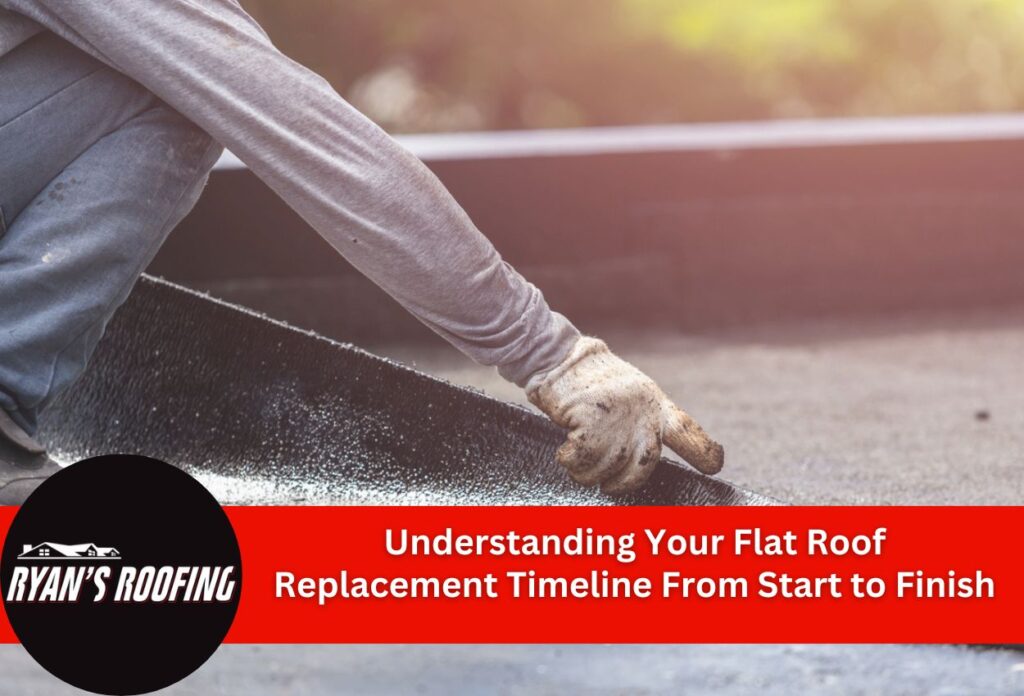

Planning a flat roof replacement requires understanding the projected timeline to minimize disruption to your property and daily operations. The flat roof replacement process can span days to weeks, depending on numerous factors.
Most residential flat roof replacements take between three and seven days to complete, while commercial projects may extend from one to three weeks. The timeline begins with initial inspection and preparation, followed by material removal, substrate repairs, and installation of the new roofing system. Weather conditions have a role in scheduling, as flat roof installation requires dry conditions for material application and curing.
Several key factors determine how long a flat roof replacement takes for your specific project. Roof size directly impacts duration, with larger commercial properties requiring more time than smaller residential structures. Material selection affects both preparation time and installation complexity, as each type of roofing system has different application requirements. Contractor availability and workforce size also influence project scheduling, particularly during peak roofing seasons.
Understanding these variables helps property owners set realistic expectations for their roof replacement scheduling. Planning the project timeline allows you to prepare for the temporary inconveniences associated with construction activities while maintaining realistic expectations about the project duration.
Pre-Replacement Planning Phase Duration and Requirements
The planning phase is a crucial part of the flat roof replacement timeline that occurs well before the first material arrives on site. This preparatory period typically spans one to three weeks and involves several essential activities that directly impact project success and efficiency.
Initial roof inspections form the foundation of effective planning, as the professional assessment determines structural conditions, identifies necessary repairs, and establishes material specifications. Following the inspection, material ordering begins based on roof measurements and selected roofing system requirements. Supply chain considerations can influence delivery schedules, particularly for specialized materials or during peak construction seasons when demand increases.
Permit acquisition is another part of the planning phase that varies based on local building codes and project scope. Commercial roof replacements often have extended permit processing times due to additional regulatory requirements and plan review procedures. Residential projects typically experience faster permit approval, though processing times remain dependent on municipal workload and application completeness.
Scheduling considerations extend beyond simple calendar availability. Contractor availability must align with material delivery schedules and weather forecasts suitable for installation work. Seasonal timing affects both material performance and installation conditions, making spring and fall optimal for most flat roof replacement projects. Commercial properties require additional coordination with building management to minimize tenant disruption and maintain operational continuity throughout the roof replacement process.
Tear-Off and Removal Process Timeframe
The tear-off phase is a time-intensive component of the flat roof replacement timeline, typically requiring at least one full day, depending on roof complexity and existing material conditions. This critical stage involves the complete removal of existing roofing materials, adhesives, and damaged substrate to create a clean foundation for the new roofing system installation.
Duration requirements for safe material removal depend heavily on the existing roof configuration and the number of layers present. Single-layer systems generally allow for faster removal, while multiple-layer installations require additional time to safely strip each component without damaging the underlying deck. Weather conditions during this phase significantly impact the flat roof replacement process, as exposed decking must remain protected from moisture throughout the removal period.
Disposal logistics also play a substantial role in project scheduling and site accessibility during the tear-off phase. Debris removal requires coordinated dumpster placement and regular hauling services to prevent material accumulation from interfering with ongoing work activities. The commercial roof replacement timeline often extends due to increased debris volumes and stricter disposal regulations for certain roofing materials.
Site accessibility is especially important during this phase, as debris removal equipment needs clear pathways for efficient material handling. The timing of debris hauling services must coordinate with the removal progress to maintain workspace organization and safety standards. Scheduling these disposal logistics beforehand ensures the flat roof installation remains on track while minimizing disruption to the surrounding property throughout the removal process.
Installation and Construction Timeline Breakdown
The installation phase is where new roofing materials, insulation, and membrane systems are systematically applied to create a durable, weatherproof barrier. This construction period typically requires up to a week for most residential flat roof replacement projects, though the duration varies based on roof complexity and the selected materials.
The flat roof replacement process follows a structured sequence beginning with deck preparation and primer application. Insulation installation follows, requiring careful attention to proper placement and vapor barrier integration. Membrane or material application is the most critical installation phase, and requires precise handling and adequate curing time between layers. Each step must be completed under appropriate weather conditions to ensure material performance and system integrity.
Weather-dependent factors significantly influence installation scheduling and can extend the anticipated flat roof installation time beyond initial projections. In Pennsylvania, spring and summer generally offer optimal installation windows. Fall installations require careful monitoring of temperature fluctuations that affect material workability, while winter projects may face substantial weather-related delays.
Experienced contractors develop contingency strategies to work around Pennsylvania’s unpredictable weather during flat roof replacements. These approaches include flexible scheduling, covered workspace preparation, and material storage that protect components from moisture exposure. Roof replacement scheduling should incorporate weather forecasting and seasonal considerations to minimize delays while maintaining installation quality throughout the construction process.
Quality Control and Inspection Phases
The quality control phase is an essential component of the flat roof replacement timeline, typically adding hours or days to the overall project schedule. This section includes contractor quality checks, professional inspections, and necessary adjustments to ensure the completed installation meets all performance standards and building code requirements.
Contractor quality assessments begin immediately following the membrane installation, involving a systematic examination of seams, flashing details, and drainage components. These internal inspections identify any installation defects or areas that need touch-ups before final project completion. The flat roof replacement process requires thorough documentation of all quality control measures, creating permanent records for warranty purposes and future maintenance reference.
Municipal inspection requirements are a mandatory component that can significantly impact how long a flat roof replacement takes. Local building departments schedule inspections based on their availability and workload, potentially adding several days to the project timeline.
Pennsylvania building codes mandate specific inspection protocols for both residential and commercial flat roof installations. These requirements include structural assessments, insulation verification, and membrane integrity testing. Final inspection approval triggers warranty activation and project closeout procedures. Coordinating between contractors and municipal inspectors is crucial for staying on schedule and maintaining full regulatory compliance.
Factors That Can Extend Your Replacement Timeline
Several complications can extend the flat roof replacement timeline passed initial projections, transforming what appears to be a straightforward project into a complex undertaking. Understanding these potential delays helps property owners keep realistic expectations for their roof replacement scheduling while budgeting adequate time for project completion. Considering factors such as the flat rubber roof lifespan can also help property owners plan replacem
Structural repairs are a common discovery during the flat roof replacement process. Contractors frequently spot damaged decking, compromised support beams, or inadequate structural reinforcement only after removing existing roofing materials. These unexpected findings require immediate attention before the new installation can proceed, potentially adding several days to the roof replacement depending on repair complexity and material availability.
Hidden damage discovery beneath existing roofing systems often reveals water infiltration problems, insulation deterioration, or substrate damage that was not visible during initial inspections. Each discovery requires an assessment, repair planning, and additional material procurement that extends the flat roof installation time. Weather-related delays compound these issues, particularly when structural repairs expose interior spaces to potential moisture infiltration.
Material delivery delays are another significant factor affecting how long flat roof replacement takes to complete. Supply chain disruptions, manufacturer backorders, or shipping complications can halt progress for days or weeks. Building code compliance issues may emerge during inspection phases, requiring system modifications or additional permits that extend the overall timeline to ensure regulatory compliance.
Preparing for Your Project and Minimizing Timeline Disruptions
Property owners can take several steps before flat roof replacement begins to ensure their project remains on schedule. Preparation significantly influences the flat roof replacement timeline and helps contractors maintain efficient work schedules throughout the installation. Understanding flat vs. pitched roofing considerations can also help property owners determine how roof design differences may affect preparation, installation requirements, and project scheduling.
Site preparation is one of the most important owner responsibilities that directly impacts how long the flat roof replacement takes to complete. Clear access routes for equipment and materials, secure storage areas for roofing components, and adequate parking space for contractor vehicles all contribute to streamlined operations. Removing outdoor furniture, equipment, or decorations from roof-adjacent areas prevents damage and eliminates obstacles that could slow the flat roof replacement process.
Building occupancy planning becomes crucial for commercial properties where business operations must continue during construction activities. Coordinating with tenants about noise levels, access restrictions, and temporary inconveniences helps keep relationships positive while ensuring the commercial roof replacement proceeds without conflicts. Residential properties benefit from similar planning regarding noise tolerance, pet accommodations, and temporary relocation of sensitive activities.
Contractors should establish clear expectations about daily work schedules, progress updates, and emergency contact procedures. Regular check-ins allow property owners to stay informed about the project’s progress and address any concerns immediately. Establishing backup plans for weather delays and maintaining flexibility in roof replacement scheduling helps accommodate the inevitable adjustments that occur during construction projects, ensuring successful completion despite Pennsylvania’s sometimes severe weather conditions.
Expert Flat Roof Replacement in Harrisburg by Ryan’s Roofing LLC
When planning your flat roof replacement, choosing the right contractor is the first step toward a smooth and on-time completion. At Ryan’s Roofing LLC, we understand the importance of minimizing disruptions to your daily activities. Our team is dedicated to providing efficient and high-quality roofing services, ensuring that every phase of the project, from tear-off to final inspections, is handled with utmost professionalism.
We work closely with our clients to navigate all potential delays, including weather challenges and material availability, to adhere closely to the estimated flat roof replacement timeline. Don’t let roofing issues linger longer than they need to — call us at (717) 608-1587 today and let Ryan’s Roofing LLC take care of your roofing needs.