

 GET FREE ROOF ESTIMATE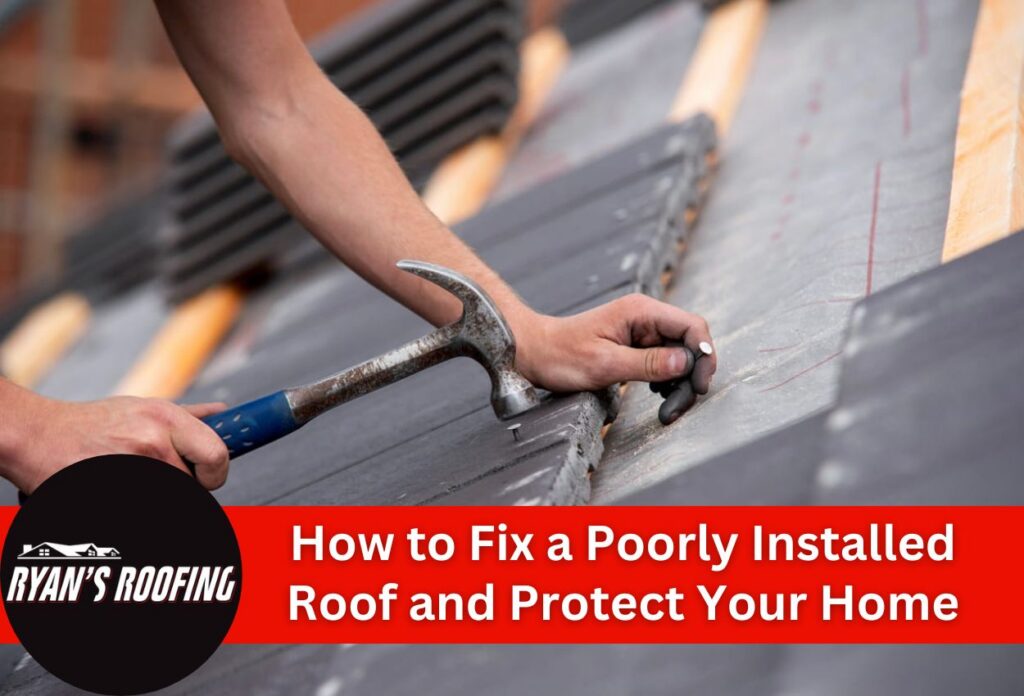
Key Takeaways:
- Act Quickly: Address improper roof installation quickly by documenting all visible damage and hiring a professional inspector to determine the best way to correct issues before they escalate.
- Repair vs. Replace: Opt for targeted repairs on localized issues for newer roofs with sound surrounding materials. Consider full roof replacement for extensive damage, older roofs, or if repairs compromise warranties.
- Hire Qualified Pros: Choose licensed, insured, and manufacturer-certified contractors with verifiable references, and ask about their diagnostic process, warranties, and how they handle unforeseen issues.
- Prevent Future Issues: Conduct DIY roof inspections twice a year, get professional checks every 3 to 5 years, and secure written documentation of all correction work for warranty protection and maintenance records.
A poorly installed roof creates serious problems that extend far beyond missing shingles or minor leaks. When roofing work is done incorrectly, leaks can damage insulation, drywall, and structural components, leading to mold growth and compromising the home’s structural integrity. The best way to correct improper roof installation depends on the severity of the issues, ranging from targeted repairs of specific problem areas to complete roof replacement in cases of widespread failure.
Homeowners often discover signs of improper roof installation months or even years after the work was completed. Common indicators include premature shingle deterioration, persistent leaks, sagging areas, and visible installation errors like improper flashing or inadequate ventilation. Addressing these roof installation mistakes quickly prevents minor issues from escalating into expensive structural repairs. The decision between roof repair and replacement hinges on factors such as the extent of damage, the age of the roofing system, and whether fixing poorly installed shingles will provide a lasting solution or merely postpone inevitable failure. Hiring qualified roofing contractors with proven track records ensures that corrections are performed properly the first time.
Recognizing the Warning Signs Your Roof Was Installed Incorrectly
Identifying signs of improper roof installation early can prevent extensive damage and expensive repairs. From ground level, homeowners should look for obvious visual indicators such as uneven or wavy shingle lines, misaligned or missing shingles, and exposed nails or fasteners. Sagging sections or dips in the roofline often signal structural issues or inadequate roof decking support during installation. In the attic, visible daylight through the roof boards, water stains on the rafters, and inadequate or damaged insulation point to ventilation problems or moisture intrusion caused by installation errors.
Interior warning signs frequently appear before exterior damage becomes obvious. Water stains on ceilings or walls indicate active leaks that may stem from improperly installed flashing around chimneys, vents, or skylights. Unexplained drafts or noticeable increases in heating and cooling costs suggest air leaks due to gaps in the roofing system. Peeling paint or wallpaper near the roofline can reveal moisture problems linked to poor ventilation or inadequate sealing. These roof installation mistakes require immediate attention to prevent further deterioration. When multiple warning signs appear, contacting experienced professionals helps determine whether fixing poorly installed shingles is sufficient or if more repairs are needed.
Assessing the Damage Before Making Repair Decisions
Documenting the full extent of roofing problems provides the foundation for determining whether repairs will suffice or replacement becomes necessary. Homeowners should photograph all visible damage from multiple angles, noting the specific locations of missing shingles, damaged flashing, or areas where water has entered the system. Inside the attic, evidence of moisture intrusion, mold growth, or compromised insulation helps establish the scale of needed corrections. Creating a detailed written inventory of issues, including when problems first appeared and how they’ve progressed, gives contractors essential information for evaluating the best way to correct improper roof installation.
A professional inspection becomes essential when damage extends beyond surface-level issues or when the original installation quality remains uncertain. Licensed inspectors identify hidden structural issues, measure moisture levels in roof decking and framing, and assess whether ventilation systems function properly. They determine if fixing poorly installed shingles addresses underlying causes or merely treats symptoms of deeper installation failures. For homeowners weighing roof repair and replacement, an expert evaluation clarifies which approach provides lasting protection. Hiring qualified roofing contractors who understand common roof installation mistakes to avoid ensures corrective work meets manufacturer specifications and local building codes.
Common Installation Errors and Their Specific Solutions
Shingle placement errors rank among the most frequent roof installation mistakes, including improper nail placement, incorrect overlap patterns, and insufficient fastener depth. Fixing poorly installed shingles typically involves removing affected sections and reinstalling them according to manufacturer specifications, ensuring nails are driven through the proper nailing zone, and shingles align correctly. Flashing failures around chimneys, valleys, and wall intersections allow water to bypass the roofing membrane, requiring careful removal of surrounding materials, proper sealing of the deck, and installation of correctly sized and positioned flashing components. Ventilation problems caused by blocked soffit vents, inadequate ridge ventilation, or improper attic airflow require assessing the entire ventilation system to balance intake and exhaust airflow, preventing moisture buildup and premature material deterioration.
Underlayment deficiencies present more complex challenges that may not be visible without removing shingles. When water barriers are missing, improperly lapped, or installed over wet roof decking, leaks can get through structural components. Addressing these issues requires removing roofing materials to expose the deck, allowing proper drying, replacing damaged boards, and installing new underlayment with correct overlaps and sealing. Roof decking problems, including insufficient fastening, gaps between boards, or the use of inappropriate materials, compromise the stability of the entire roofing system. The best way to correct improper roof installation involving structural elements often requires systematic replacement of compromised roof decking sections, proper fastening to rafters, and verification that the roof deck provides adequate support before reinstalling roofing materials.
Weighing Targeted Repairs Against Complete Replacement
The decision between targeted repairs and full roof replacement depends on several important factors that determine long-term value and protection. When damage remains localized to specific sections and the surrounding roofing materials maintain structural integrity, selective corrections offer an economical solution. Fixing poorly installed shingles in isolated areas, replacing damaged flashing, or correcting ventilation deficiencies can extend roof life when the overall system remains sound. However, when roof installation mistakes affect multiple areas or compromise underlying structural components, piecemeal repairs may only delay inevitable failure while increasing total costs.
The age of the existing roof significantly influences which approach provides better value. Roofing systems nearing the end of their expected lifespan rarely justify extensive repair investments, as remaining materials will soon require replacement regardless of corrections made. Conversely, newer roofs with isolated problems benefit from targeted fixes that preserve the majority of serviceable materials. Warranty considerations also affect the decision to repair or replace the roof, as some manufacturer warranties are voided after partial repairs or when unqualified contractors perform work. Hiring qualified roofing contractors ensures corrections are executed properly and documented appropriately to maintain warranty coverage where applicable.
Finding and Vetting Qualified Contractors for Correction Work
Selecting the right contractor to fix installation errors requires verifying specific credentials that demonstrate competency in corrective roofing work. Licensed professionals should carry current liability insurance and workers’ compensation coverage to protect homeowners from financial responsibility in the event of accidents during repairs. Manufacturer certifications indicate that contractors have received training in proper installation techniques for specific roofing products, reducing the likelihood that they will repeat roof installation mistakes made by previous installers. Established contractors with verifiable references from correction projects provide evidence of their ability to diagnose problems and deliver lasting solutions accurately. Membership in professional organizations and positive standing with local business bureaus offer additional confidence in their reliability and adherence to industry standards.
During initial consultations, homeowners should ask contractors detailed questions about their approach to fixing poorly installed shingles and other common defects. Understanding their diagnostic process reveals whether they conduct thorough inspections or merely address visible symptoms without investigating underlying causes. Inquiring about warranties on both materials and workmanship clarifies the protection provided if problems persist after repairs. Contractors experienced in correction work should explain how they handle complications discovered during repairs, including who bears responsibility for unforeseen issues. Discussing their experience with similar projects and requesting documentation of their process for determining the best way to correct improper roof installation helps distinguish skilled professionals from those who may perpetuate existing problems.
Protecting Your Investment Through Proactive Maintenance
Regular inspection schedules prevent minor roofing issues from developing into major problems that require expensive corrections. Homeowners should examine their roofs twice a year, typically in spring and fall, looking for loose or damaged shingles, deteriorated flashing, and debris accumulation in valleys or gutters. After severe weather, quick inspections identify wind damage, hail impacts, or fallen branches that compromise the roofing system. These routine checks catch signs of improper roof installation before they cause leaks or structural damage. Clearing gutters and downspouts maintains proper drainage, preventing water backup that can seep under shingles and damage fascia boards. Trimming overhanging tree branches eliminates sources of abrasion and reduces debris accumulation that traps moisture against roofing materials.
Professional inspections every 3 to 5 years provide expert evaluation that identifies problems invisible to untrained observers. Qualified contractors assess the condition of sealants, check ventilation performance, and detect early signs of material deterioration that indicate potential failures. After correcting poorly installed shingles or other roof installation mistakes, obtaining written documentation of all work performed establishes a maintenance record that protects warranty coverage. Contractors should provide detailed receipts that specify the materials used, the areas repaired, and compliance with manufacturer installation requirements. Keeping photographs of completed work creates visual evidence of the roof’s condition at specific points, supporting warranty claims if defects emerge later. This documentation proves essential when evaluating the roof repair and replacement decision in the future.
Trust Ryan’s Roofing LLC for Expert Roof Correction Services
If you’ve spotted any signs of improper roof installation, it’s important to address these issues promptly to safeguard your home from further damage. Ryan’s Roofing LLC specializes in diagnosing and rectifying roofing errors, ensuring your roof is not only visually pleasing but also structurally sound and durable. Whether it’s fixing poorly installed shingles, correcting misaligned materials, or a full roof replacement, our team is equipped with the skills and experience necessary to deliver high-quality solutions.
Don’t let installation mistakes compromise the safety and comfort of your home. Contact Ryan’s Roofing LLC today at https://ryansroofing.net/ or call us at (717) 608-1587. We’re committed to restoring the structural integrity of your roofing system and protecting your investment with professional, reliable service.