


 GET FREE ROOF ESTIMATE

Selecting the right gutter material is one of the most important decisions homeowners face when protecting their property from water damage. The gutter system serves as the first line of defense against expensive foundation problems, landscape erosion, and exterior damage that can plague homes throughout Pennsylvania’s varied weather conditions.
The best gutter materials available today each offer distinct advantages and challenges that homeowners must carefully weigh. Aluminum gutters provide lightweight durability and rust resistance, while vinyl gutters offer budget-friendly installation with minimal maintenance requirements. Steel gutter systems deliver exceptional strength for homes facing harsh weather, and copper gutter installation creates a stunning visual appeal that increases property value over time.
Comparing gutter materials requires understanding how each option performs under different conditions. Climate considerations, maintenance requirements, longevity expectations, and appearance preferences all influence the decision-making process. Seamless gutter materials have gained popularity due to their reduced leak potential and cleaner appearance compared to sectional alternatives.
The debate on what type of gutter to choose often dominates homeowner discussions, as these two materials represent the most common choices for residential applications. Each material brings specific benefits that align with different priorities, whether focusing on durability, appearance, or long-term performance. Making an informed choice ensures your gutter investment protects your home effectively for decades to come.
Aluminum Gutters: The Popular Choice for Most Homeowners
Aluminum gutters have earned their position as the most widely installed gutter material across residential properties, representing nearly 80% of all gutter installations. This popularity stems from aluminum’s exceptional balance of performance characteristics that make it suitable for diverse applications and budgets.
The lightweight nature of aluminum gutters simplifies installation while reducing structural stress on fascia boards and roof edges. Unlike steel gutter systems, aluminum naturally resists rust and corrosion, maintaining its structural integrity even when exposed to moisture for extended periods. Homeowners can choose from an extensive range of colors and styles, with seamless gutter materials available in custom lengths that eliminate unsightly joints and potential leak points.
When comparing gutter materials, aluminum’s versatility becomes apparent through its ability to complement various architectural styles. The material accepts paint well, allowing for easy color updates or repairs when needed. Professional aluminum installations typically feature hidden hangers and smooth lines that enhance curb appeal without overwhelming the home’s design.
However, aluminum gutters do present certain limitations that homeowners should consider. The material’s softer composition makes it susceptible to denting from falling branches, hail, or ladder contact during maintenance activities. Extreme temperature fluctuations can cause expansion and contraction, potentially affecting joint integrity over time. In the aluminum gutters vs. vinyl gutters comparison, these durability concerns often influence the final selection process for properties in areas with severe weather patterns.
Vinyl Gutters: Budget-Friendly Option with Trade-offs
Vinyl gutters represent the most economical choice among gutter materials, making them particularly attractive to homeowners seeking cost-effective water management solutions. The lightweight plastic construction allows for straightforward installation that many homeowners can tackle as DIY projects, eliminating professional installation expenses that other materials typically require.
The installation advantages of vinyl extend beyond simple cost savings. Unlike copper gutter installation or steel gutter systems that demand specialized tools and expertise, vinyl gutters connect through snap-together joints and pre-formed brackets. This user-friendly design reduces installation time significantly while requiring only basic tools that most homeowners already possess.
When comparing gutter materials for maintenance requirements, vinyl offers notable benefits through its resistance to rust and corrosion. The material never requires painting or coating treatments, and cleaning involves rinsing with water to remove debris and surface dirt. Seamless gutter materials in vinyl provide additional leak protection while maintaining the same installation simplicity.
Temperature extremes present the primary challenge for vinyl gutter performance. Cold weather can make the material brittle and prone to cracking, while excessive heat causes expansion that may compromise joint connections. UV exposure gradually weakens vinyl composition, leading to color fading and structural deterioration over time. In the aluminum gutters vs. vinyl gutters debate, these longevity concerns often tip the scales toward more durable alternatives for homeowners prioritizing long-term performance over initial affordability.
Steel Gutter Systems: Maximum Strength and Durability
Steel gutter systems represent the strongest option among available gutter materials, engineered specifically for properties that face extreme weather conditions and heavy precipitation loads. The robust construction of steel gutters enables them to handle substantial snow accumulation and ice formation without sagging or structural failure, making them particularly valuable for homes in regions experiencing harsh winter conditions.
The exceptional strength of steel gutter systems becomes evident when comparing gutter materials under stress. While aluminum gutters may dent from impact and vinyl gutters can crack under pressure, steel maintains its structural integrity even when subjected to falling branches, heavy ice dams, or significant snow loads. This durability makes steel an excellent choice for multi-story homes or properties with steep roof pitches that generate high water volumes during storms.
Unlike seamless gutter materials in aluminum or vinyl, steel gutters require specialized coating systems to prevent rust and corrosion. Galvanized steel features a zinc coating that provides initial protection, while newer steel options include advanced polymer coatings that extend service life significantly. Regular inspection and maintenance of these protective coatings ensures the best possible performance and prevents premature deterioration.
The maintenance requirements for steel gutter systems focus primarily on preserving the protective coating. Small scratches or chips require prompt attention to prevent rust formation that can compromise the entire system. Professional installation becomes essential due to steel’s weight and the precision required for proper coating preservation during the mounting process.
Copper Gutters: Premium Beauty with Lasting Performance
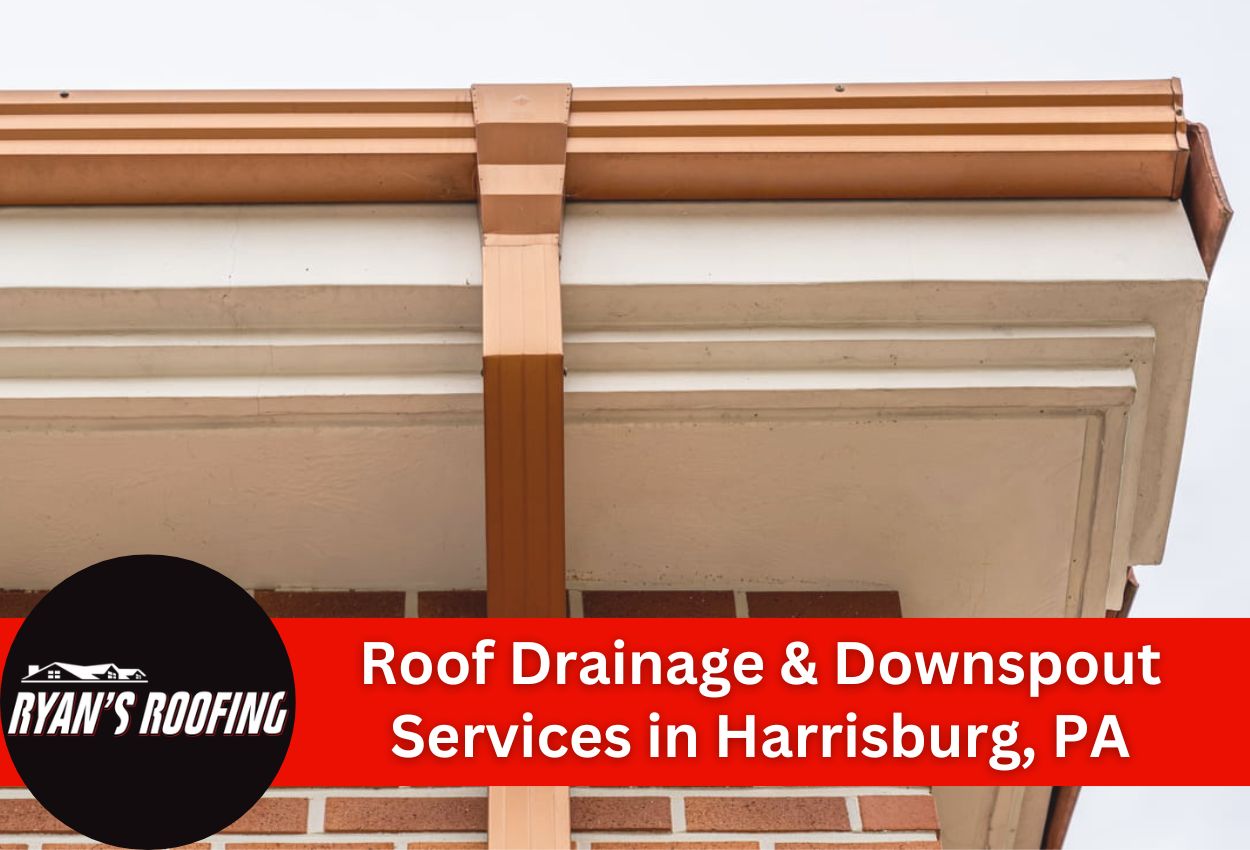
Copper gutters are the premium choice among gutter materials, delivering unmatched curb appeal that transforms ordinary homes into architectural showcases. The natural beauty of copper creates an immediate visual impact that distinguishes properties from standard aluminum or vinyl installations, while the material’s inherent durability ensures decades of reliable performance.
The distinctive patina development sets copper gutters apart from all other gutter materials available today. Fresh copper installations display brilliant reddish-brown coloring that gradually transitions through various shades before developing the characteristic green patina that protects the underlying metal from corrosion. This natural aging process creates a living finish that continues evolving for years, providing homeowners with gutters that become more beautiful over time rather than deteriorating like conventional materials.
Copper gutter installation requires specialized expertise that extends far beyond standard seamless gutter material installation. Professional contractors must understand thermal expansion properties, use compatible fastening systems, and employ proper soldering techniques to ensure leak-proof joints.
The installation considerations for copper systems include selecting appropriate hangers, brackets, and downspouts that won’t cause galvanic corrosion when different metals contact each other. Copper’s expansion and contraction rates differ significantly from steel gutter systems, requiring specific spacing and mounting techniques that accommodate movement while maintaining structural integrity throughout seasonal temperature variations.
Seamless vs. Sectional: Construction Methods That Impact Performance
The construction method used for gutter installation significantly influences system performance regardless of whether homeowners choose aluminum, vinyl, steel, or copper materials. Seamless gutter materials offer superior water management capabilities by eliminating the multiple joints found in traditional sectional systems, reducing the potential for leaks when compared to standard installations.
Sectional gutters rely on numerous connection points along their length, with each joint representing a potential failure location where water can escape and cause damage. These systems typically feature overlapping sections sealed with caulk or gaskets that deteriorate over time, requiring regular maintenance to prevent leaks. When comparing gutter materials using sectional construction, even premium options like copper or steel can experience performance issues at connection points.
Seamless construction transforms gutter performance by creating a continuous, custom-manufactured run made on-site to match exact measurements. This approach eliminates intermediate joints, leaving only corner connections and downspout attachments as potential leak points. The smooth interior surface of seamless systems promotes better water flow and reduces debris accumulation that commonly occurs at sectional joints.
Installation differences between seamless and sectional systems affect material choices and overall performance expectations. Seamless gutter materials require specialized equipment and professional installation, while sectional systems allow for DIY installation but compromise long-term reliability. Steel gutter systems particularly benefit from seamless construction, as the reduced joint count minimizes opportunities for coating damage that leads to rust formation.
Making the Right Choice: Matching Materials to Your Specific Needs
Selecting the best gutter materials requires careful evaluation of your property’s unique characteristics and environmental challenges. Roof size, pitch angle, and surface area directly influence the volume of water and flow rates that your gutter system must handle effectively. Homes with expansive roof surfaces or steep pitches generate higher water volumes during storms, often requiring larger gutter profiles or more durable materials like steel gutter systems to prevent overflow and structural stress.
Climate conditions play an important role in determining the best material for your home. Properties in areas experiencing frequent freeze-thaw cycles benefit from aluminum gutters due to their flexibility and corrosion resistance, while regions with extreme temperature variations may favor steel systems for their superior structural stability. Deciding between aluminum gutters and vinyl gutters often hinges on local weather patterns, as vinyl performs poorly in areas with significant temperature fluctuations.
Architectural style considerations ensure your gutter selection complements your home’s overall design. Traditional homes may benefit from the classic appeal of copper gutter installation, while contemporary designs often pair well with sleek, seamless gutter materials in neutral colors. The visual weight and profile of different materials should harmonize with existing trim work and roofline details.
Professional contractor consultation becomes essential for achieving the best possible results regardless of material choice. Experienced installers understand local building codes, proper sizing calculations, and installation techniques specific to each material type. Their expertise ensures correct slope calculations, appropriate hanger spacing, and proper integration with existing roof and fascia systems for long-term performance and reliability.
Choose Ryan’s Roofing LLC for Expert Gutter Installation
Knowing the best gutter materials for your home is important to ensure they are durable and functional. Whether you’re considering aluminum, vinyl, steel, or copper gutters, each material has unique benefits tailored to different needs and climates. However, choosing the right material is just the first step. Professional installation is equally important to maximize the performance and lifespan of your gutters.
At Ryan’s Roofing LLC, we specialize in high-quality gutter installation across various materials, ensuring that your home is protected from water damage effectively. Don’t compromise on the quality of your gutter system. Call us today at (717) 608-1587 to discuss your options and find the perfect gutter solution for your home. Protect your investment with the expertise of Ryan’s Roofing LLC.