



 GET FREE ROOF ESTIMATE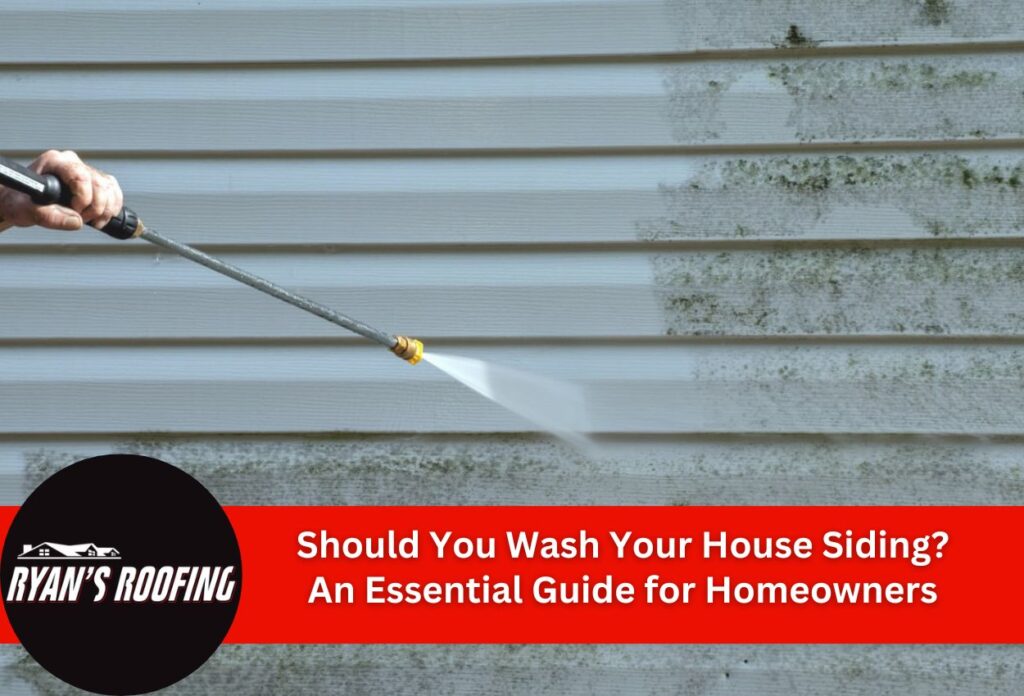

Pennsylvania’s diverse weather conditions create unique challenges for home exteriors throughout the year. From spring pollen to summer humidity and fall foliage, your siding faces constant exposure to elements that can cause deterioration over time.
Different siding materials, whether it’s vinyl, fiber cement, wood, or aluminum, all benefit from regular cleaning to maintain their integrity and appearance. In Harrisburg’s climate, neglected siding can quickly become a breeding ground for mold and mildew, especially in shaded areas that retain moisture. This not only impacts your home’s curb appeal, but can lead to the siding prematurely aging.
Professional roofing contractors across the Harrisburg area recommend seasonal siding maintenance as preventative care that extends the life of your exterior. Proper house siding cleaning methods remove built-up grime, prevent organic growth, and allow for potential damage to be identified. Without regular cleaning, even high-quality siding materials can deteriorate faster, leading to more extensive repairs and replacements down the road.
Different Types of Siding and Their Cleaning Requirements
You’ll find a variety of siding materials across homes in Harrisburg, each with unique cleaning needs to maintain their appearance and durability. Vinyl siding, the most common choice in Pennsylvania, requires regular cleaning to prevent mold growth, but it can be damaged by excessive pressure washing. For the best results, use lower pressure settings and appropriate cleaning solutions when removing dirt and grime from vinyl surfaces.
Fiber-cement siding offers excellent durability in Harrisburg’s variable climate but needs cleaning to prevent moisture-related issues. Unlike vinyl, fiber cement can withstand slightly higher pressure during cleaning, though care should still be taken around seams and edges. Wood siding demands the most careful approach to pressure washing, as it can easily force water behind the boards and cause warping or rot. Instead, gentle scrubbing with appropriate cleansers helps preserve the natural beauty of cedar and other wood sidings.
Aluminum siding, though less common on newer homes, remains on many Harrisburg properties. It’s prone to oxidation and chalking, requiring specialized cleaners to restore its appearance without causing damage. The humid Pennsylvania summers create ideal conditions for organic growth on all siding types, making regular cleaning essential. Professional cleaning services understand these material-specific requirements and can recommend appropriate house siding cleaning methods based on your home’s particular needs and environmental exposure.
Professional vs. DIY Siding Cleaning: Making the Right Choice
When it comes to maintaining your home’s exterior, Harrisburg homeowners often debate whether to tackle siding cleaning themselves or hire professionals. For simple maintenance cleaning on vinyl or aluminum siding, many homeowners can effectively use garden hoses with cleaning attachments and mild detergents. DIY cleaning works well for homes without significant issues with mold or hard-to-reach areas, saving immediate costs while keeping your siding in good condition.
However, professional services become essential when dealing with stubborn stains, extensive mold growth, or homes taller than one story. Professional cleaners bring specialized equipment, appropriate cleaning solutions for different siding materials, and expertise that prevents damage. For wood and fiber-cement siding, expert knowledge becomes particularly valuable as these materials require specific techniques to prevent moisture damage.
The decision ultimately comes down to your home’s specific needs. While DIY methods may seem cost-effective initially, pressure washing the vinyl siding incorrectly can force water behind panels, creating expensive moisture problems. Professional cleaning typically provides more thorough results and often includes inspection for damage that might otherwise go unnoticed. For many Harrisburg homeowners, a combined approach works best — handling routine seasonal cleaning themselves while scheduling professional deep cleaning every 2 to 3 years to maintain their siding’s integrity and appearance.
Safe and Effective Pressure Washing Techniques
When it comes to house siding cleaning methods, pressure washing is among the most efficient, but it requires careful techniques to avoid damage. For vinyl siding in the Harrisburg area, keep pressure levels between 1,300 and 1,500 PSI to effectively clean without causing cracks or warping. Fiber-cement siding can typically withstand up to 2,000 PSI, while more delicate materials like wood can only handle around 1,500 and 1,800 PSI. Always maintain a distance of at least 12 inches from the surface and use a wide-angle spray pattern to distribute pressure evenly.
Common pressure washing mistakes include using too much pressure, holding the nozzle too close to the siding, or spraying upward, which forces water behind the siding panels and can lead to moisture damage. Additionally, never pressure wash around electrical fixtures, damaged siding sections, or areas with failing caulk. For homes with older siding or historic properties throughout the Harrisburg region, gentler alternatives are often preferred.
When pressure washing isn’t recommended, consider soft washing techniques that use low pressure. A simple garden hose with an attached cleaning brush provides effective cleaning for more delicate surfaces. For stubborn mold and mildew problems on home siding, oxygen bleach solutions offer safe cleaning power without the risks of chlorine bleach. These alternative methods ensure all Harrisburg homeowners can maintain their siding regardless of its age or condition.
Seasonal Siding Maintenance Calendar for Pennsylvania Homeowners
Harrisburg’s unique seasonal patterns create specific challenges for home siding throughout the year. Creating a seasonal maintenance schedule helps protect your investment while preventing the buildup of damaging elements. In spring (April through May), schedule your first thorough cleaning to remove winter’s salt residue, pollen, and early mold growth. This timing allows your home to shine through summer while removing substances that could damage siding when baked by summer heat.
Fall cleaning (September through October) is equally important, removing summer’s accumulated dirt, insect residue, and preparing your home for winter. Before temperatures drop, remove leaves and debris from gutters and around the foundation where it comes in contact with the siding. Winter preparations should include checking for and sealing any gaps where moisture might enter during freeze-thaw cycles. This is also an ideal time to inspect your soffit and fascia repair needs, as damaged or deteriorating components can allow moisture to reach areas behind your siding.
Between these major cleaning events, implement preventative maintenance to protect your siding. Monthly visual inspections help catch issues early, especially checking north-facing walls where mold tends to develop first in Pennsylvania’s climate. After heavy storms, rinse dirt splatter from lower siding sections using a garden hose. Trim bushes and trees to maintain at least 12 inches of clearance from siding, preventing moisture retention and organic growth. These simple preventative steps significantly reduce the effort needed during seasonal cleanings while extending the life of your siding in Harrisburg’s challenging climate. If inspections reveal buckling, cracking, or other visible damage, addressing warped vinyl siding repair promptly can help prevent the problem from worsening.
Combating Mold, Mildew and Algae on Home Exteriors
Harrisburg’s humid climate creates ideal conditions for biological growth on home exteriors. Black or green patches on your siding aren’t just unappealing, they signal potential damage to your home’s protective outer layer. Pennsylvania’s combination of rainfall, humidity, and seasonal temperature fluctuations creates perfect conditions for mold, mildew, and algae to thrive, particularly on north-facing walls and areas shaded by trees. These organisms feed on dirt and organic material that accumulates on the surface of siding, gradually breaking down protective finishes and impacting the structural integrity.
Effective removal starts with identifying the specific growth. Mildew appears as powdery patches in white, gray, or black, while mold typically shows as fuzzy or slimy growths in various colors. Algae shows up as green or brown slime, especially in consistently damp areas. For light infestations, a solution of oxygen bleach (not chlorine bleach, which can damage plants and siding) mixed with water effectively kills most biological growth without harming your siding material. Apply with a garden sprayer, allow it to sit for 15 minutes, then rinse thoroughly.
Prevention is equally important after cleaning. Trimming vegetation to improve airflow, cleaning gutters regularly to prevent overflow, and applying mildewcide treatments to vulnerable areas can significantly extend the time between cleanings. Some homeowners find annual application of specialized preventative solutions particularly effective for shady areas of their Harrisburg homes that are prone to recurring growth problems.
Environmentally Friendly Siding Cleaning Solutions
As Harrisburg homeowners become increasingly environmentally conscious, many are seeking cleaning methods that maintain their siding without harming local ecosystems. Traditional cleaning chemicals can damage plants, contaminate groundwater, and pose risks to pets and wildlife. Fortunately, eco-friendly alternatives deliver excellent results without these drawbacks. White vinegar diluted with water (typically in a 30:70 ratio) effectively tackles mildew and light dirt while being completely biodegradable. For tougher cleaning jobs, oxygen-based cleaners break down into water and oxygen after use, unlike chlorine bleach, which can harm Pennsylvania’s waterways.
Creating your own environmentally responsible cleaning solutions is simple and cost-effective. A mixture of 1 gallon of water, 1/3 cup phosphate-free dish soap, and 2/3 cup powdered household cleaner creates an effective all-purpose siding cleaner. For areas with heavier mold growth, try combining 1 cup of oxygen bleach with 1 gallon of water. Apply these solutions with a soft brush or low-pressure sprayer, allowing them to work for 10 to 15 minutes before rinsing thoroughly with clean water.
Beyond protecting the environment, these gentler cleaning approaches benefit your home as well. Harsh chemicals can deteriorate siding materials over time, while eco-friendly alternatives clean effectively without causing premature aging or discoloration. This approach aligns perfectly with responsible home maintenance practices, preserving both your property’s exterior and the beautiful Pennsylvania landscape surrounding it.
Protect Your Home with Ryan’s Roofing LLC
Keeping the siding on your Harrisburg home clean is more than just a cosmetic concern. Regular cleaning protects the siding’s structural integrity. However, if the siding on your home becomes damaged and requires inspection or complete replacement, our contractors are here to help you.
Call us today at (717) 608-1587 to schedule your siding repair, inspection, or replacement, and ensure your home remains in good condition year-round. Trust Ryan’s Roofing LLC to keep your home looking its best no matter the season!