



 GET FREE ROOF ESTIMATE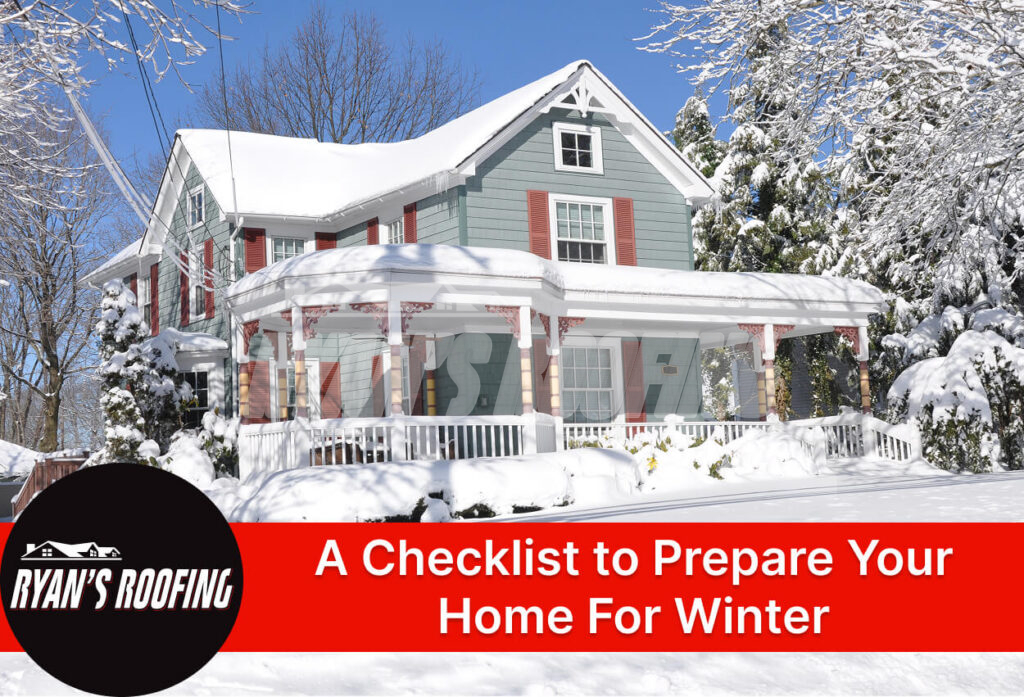
Pennsylvania’s harsh winter conditions present significant challenges for residential roofing systems. Heavy snowfall, changing temperatures, and ice dam formations can cause damage to roofs, leading to structural problems and expensive repairs. Winter roof maintenance becomes important when temperatures drop and snow begins accumulating.
Proactive winter roof preparation is the primary defense against seasonal damage. Snow weight damage prevention requires careful attention to the roofing system’s structural integrity and proper maintenance before winter weather arrives. Ice dam prevention depends on whether you have the right amount of insulation, ventilation, and whether your gutter systems function effectively throughout the coldest months.
Pennsylvania homeowners face unique weather patterns that need the right roof preparation strategies. Our state experiences significant temperature variations, heavy snow accumulation, and freeze-thaw cycles that stress roofing materials and expose weaknesses in unprepared systems. Gutter winterization plays an essential role in directing melting snow and ice away from the roof structure.
Roof Inspection and Structural Assessment
A thorough roof inspection is the foundation of effective winter roof preparation. Professional assessment begins with examining shingles for loose, cracked, or missing pieces that could allow leaks to form during freeze-thaw cycles. Damaged shingles compromise the roof’s ability to shed snow and ice effectively, creating potential entry points for moisture that can lead to structural damage.
Flashing inspection requires careful attention to areas around chimneys, vents, and roof gaps where water commonly enters. Deteriorated flashing allows melting snow to seep beneath roofing materials, causing rot and structural weakening. Metal flashing should lie flat against surfaces without gaps, rust, or separation that could get worse under winter weather conditions.
Structural evaluation focuses on load-bearing capacity assessment before heavy snow accumulation begins. Professional roofing contractors examine rafters, trusses, and decking for signs of sagging, cracking, or previous water damage that could compromise snow weight tolerance. This winter roof maintenance step prevents catastrophic failure during significant snowfall.
Roofing material assessment includes checking for worn areas, exposed nail heads, and deteriorated sealants that require attention. Gutters need evaluation for proper attachment, adequate slope, and structural soundness to handle increased water flow from melting snow. Professional inspection identifies vulnerabilities that homeowners might overlook, ensuring snow load damage prevention and ice dam prevention strategies can be implemented effectively.
Snow Load Management and Weight Distribution Strategies
Understanding snow load limits prevents dangerous accumulation that threatens your roof’s structural integrity. Most residential roofs handle 20 to 30 pounds per square foot safely, but wet snow weighs significantly more than dry powder. Pennsylvania homeowners should monitor accumulation depth and recognize warning signs, including sagging gutters, cracking sounds, or interior ceiling stress marks that indicate the need for immediate snow removal.
Different roof types exhibit varying snow load tolerances based on structural design and materials. Flat roofs require more frequent monitoring since snow accumulates evenly without natural shedding. Steep-pitched roofs naturally shed lighter snow but retain dense, wet snow that increases structural stress. Metal roofing systems typically shed snow more effectively than asphalt shingles, reducing accumulation concerns during winter roof maintenance periods.
Safe removal techniques protect both roof surfaces and personal safety during snow management. Roof rakes with telescoping handles allow ground-level removal of lower roof sections without climbing. Professional removal becomes necessary when accumulation exceeds eighteen inches, ice dams form extensively, or structural warning signs appear. Commercial-grade equipment and safety training make professional services essential for challenging removal situations.
Snow distribution patterns affect structural stress differently across roof surfaces. Valley areas collect more snow than ridge lines, creating uneven loading that strains specific structural components. Understanding these patterns helps homeowners identify priority removal areas and implement effective gutter winterization strategies that prevent ice dam formation and maintain proper drainage throughout winter weather events.
Ice Dam Prevention Through Proper Ventilation and Insulation
An adequate amount of attic ventilation is effective for ice dam prevention by maintaining consistent roof temperatures throughout the winter. Proper airflow prevents warm air from heating roof surfaces unevenly, which causes snow to melt and refreeze along eaves and gutters. Balanced ventilation includes both intake vents at soffits and exhaust vents near roof ridges, creating continuous air circulation that keeps roof surfaces consistently cold.
Roof insulation inspection reveals areas where heat loss contributes to ice dam formation. Insufficient insulation allows heated indoor air to warm the roof decking, melting snow that refreezes when it reaches unheated eave areas. Professional assessment identifies gaps in insulation coverage, compressed materials that have lost effectiveness, and thermal bridges that transfer heat directly to roofing surfaces.
Installing ice and water shields along roof edges provides a protective barrier against water. These self-adhering membranes extend at least 3 feet up roof slopes from eave edges, creating waterproof protection beneath shingles. The shields prevent water from backing up under roofing materials when ice dams block normal drainage patterns, protecting roof decking and interior spaces from moisture damage.
Gutter winterization works alongside ventilation improvements to maintain proper drainage throughout freeze-thaw cycles. Clean gutters with adequate capacity handle increased water flow from melting snow, while heated cables prevent ice formation in problem areas. Winter roof maintenance, combining proper ventilation, adequate insulation, and effective edge protection, creates snow damage prevention that protects residential roofing systems throughout Pennsylvania’s harsh winter conditions.
Complete Gutter System Winterization Process
Effective gutter winterization begins with cleaning and debris removal before freezing temperatures arrive. Leaves, twigs, and accumulated sediment create blockages that prevent proper water drainage during winter freeze-thaw cycles. Professional cleaning ensures downspouts flow freely and gutters maintain proper slope for optimal drainage throughout the winter.
Thorough debris removal goes beyond visible materials to include granules from asphalt shingles, moss, and small debris that settles in gutter corners and downspout connections. These materials combine with winter precipitation to form solid blockages that redirect water flow toward roof edges and foundation areas. Proper cleaning includes flushing systems with water to verify complete drainage function and identify areas that need additional attention before winter weather begins.
Installing protective measures transforms standard gutters into winter-ready drainage systems capable of handling increased water volume and ice formation. Gutter guards prevent additional debris accumulation while allowing water and small particles to flow through effectively. These systems reduce maintenance requirements and minimize blockage formation during winter storms when manual cleaning becomes dangerous or impossible.
Heating cables provide active ice prevention along gutter edges and downspout connections where freezing commonly occurs. These electrical systems maintain temperatures above freezing in critical drainage areas, ensuring continuous water flow away from foundation areas. Professional installation ensures proper spacing, adequate power supply, and safe electrical connections that function reliably throughout winter roof maintenance periods while supporting gutter winterization strategies.
Attic Insulation Evaluation and Energy Efficiency
Proper attic insulation assessment is an important component of winter roof preparation by identifying thermal deficiencies that contribute to ice dam formation and excessive heating. A professional roof insulation inspection reveals areas where heated air escapes through ceiling gaps, insufficient material coverage, or compressed insulation that no longer provides effective thermal barriers. These thermal weak points create uneven roof surface temperatures that melt snow inconsistently, leading to refreezing along roof edges.
Air leak detection requires systematic evaluation of common escape routes, including recessed lighting fixtures, plumbing vents, electrical outlets, and attic access points. These gaps allow conditioned air to reach the roof decking directly, creating hot spots that accelerate snow melting patterns. Sealing these pathways with appropriate materials prevents heat transfer while supporting ice dam prevention efforts and reducing energy waste during peak heating seasons.
Insulation material assessment focuses on coverage depth, material condition, and thermal effectiveness across the entire attic space. Pennsylvania climate conditions require minimum R-38 insulation values, equivalent to approximately 12 inches of blown cellulose or fiberglass materials. Compressed or damaged insulation loses thermal resistance, creating cold spots that require additional material or complete replacement to maintain consistent thermal protection.
Upgrading insulation materials provides immediate benefits for winter roof maintenance while delivering long-term energy savings. Modern materials offer superior thermal performance and moisture resistance compared to older products, improving overall system effectiveness. Professional installation ensures proper coverage without blocking ventilation pathways that remain essential for preventing moisture accumulation and maintaining balanced attic temperatures throughout changing weather conditions.
Preventing Hail Damage and Protecting Your Roofing
Protecting properties from hail damage requires proactive maintenance strategies and upgrades that strengthen roofing systems against severe weather. Property owners who implement preventive measures significantly reduce the likelihood of extensive roof hail damage repair while extending the operational lifespan of their roofing investment.
Regular maintenance schedules should include a quarterly inspection of membrane surfaces, drainage systems, and equipment gaps where vulnerabilities commonly develop. These routine examinations identify minor issues before they compromise the roofing system’s ability to withstand hail impacts. Professional maintenance programs include cleaning debris from drains, inspecting the structural integrity of flashing, and addressing small punctures or tears that could expand during a storm.
Protect Your Home This Winter with Ryan’s Roofing LLC
As winter approaches, making sure your roof is prepared to handle Pennsylvania’s harsh winter conditions is extremely important. Ryan’s Roofing LLC offers winter roof preparation services that cover every aspect of your home, making sure it remains safe and secure. We provide detailed inspections that assess the structural integrity of your roofing system, checking for effective snow load management and ice dam prevention strategies. We have the expertise to safeguard your home through our region’s harsh winter season.
Don’t wait for the snow to start falling to realize your roof isn’t ready. Prevent expensive damage and extend the lifespan of your roof by scheduling a professional inspection and maintenance service today. Call us at (717) 608-1587 and ensure your roof is winter-ready with Ryan’s Roofing LLC.
Related Articles
-
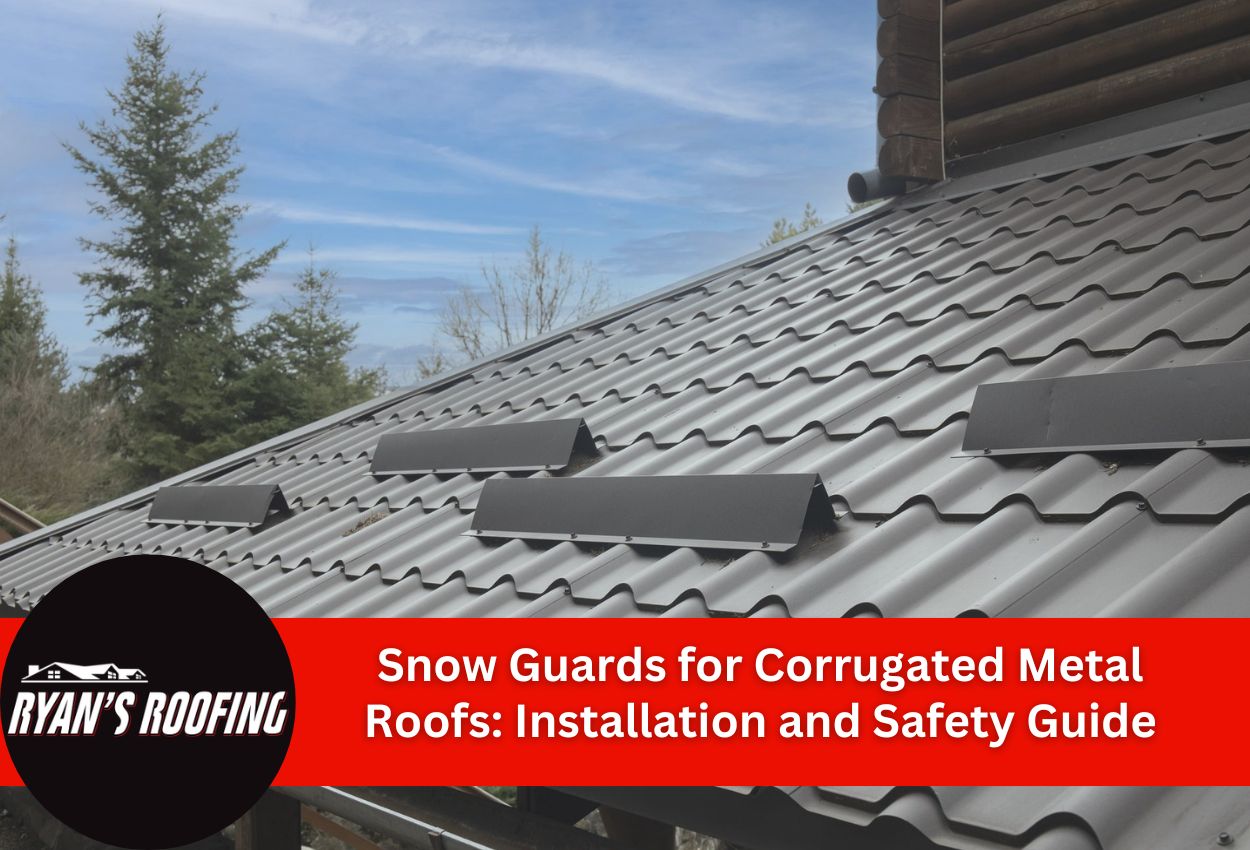 November 20, 2025Snow Guards for Corrugated Metal Roofs: Installation and Safety GuideConcerned about snow slides on your corrugated metal roof? Learn how snow guards prevent injuries and damage, plus get expert tips.
 -
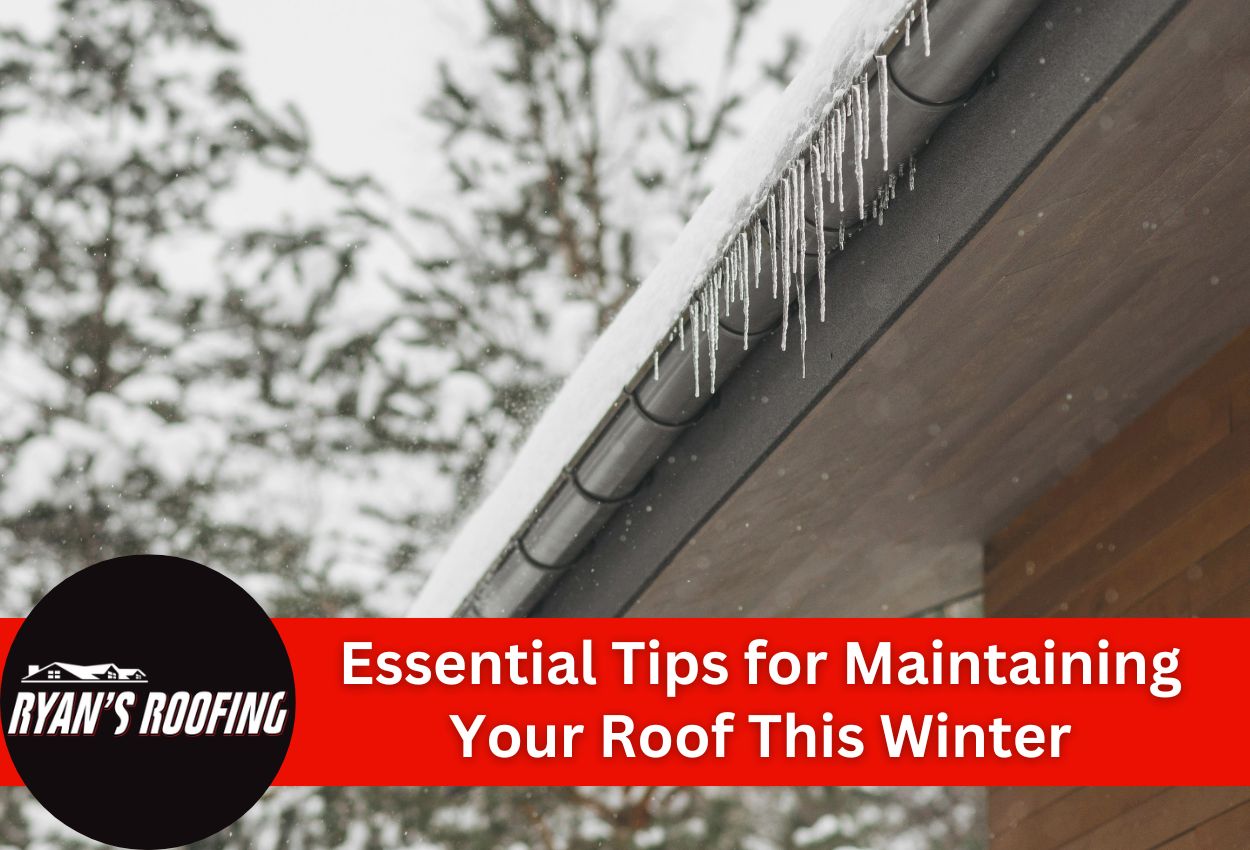 November 7, 2024Essential Tips for Maintaining Your Roof This WinterConcerned about winter roof damage? Get key tips to safeguard your Harrisburg, PA roof this season.
 -
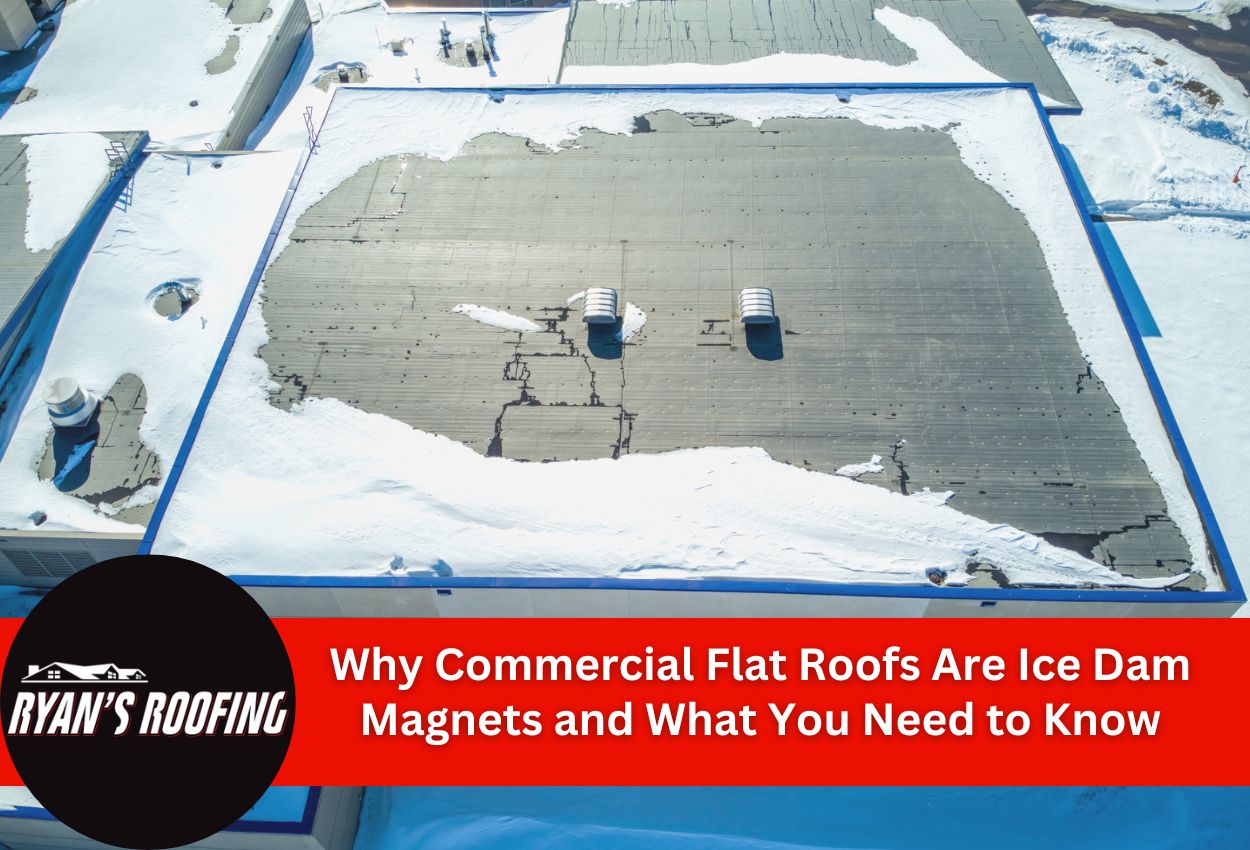 November 18, 2025Why Commercial Flat Roofs Are Ice Dam Magnets and What You Need to KnowConcerned about ice dams on your commercial flat roof? Discover prevention tips, warning signs, and safe removal methods.
Protect Your Home with Expert Roofing
Don’t wait for leaks or storm damage to cause costly repairs. Our experienced roofing team provides fast, reliable service, high-quality materials, and lasting results. Ensure your home stays safe, secure, and looking great—contact us today for a free estimate.