


 GET FREE ROOF ESTIMATE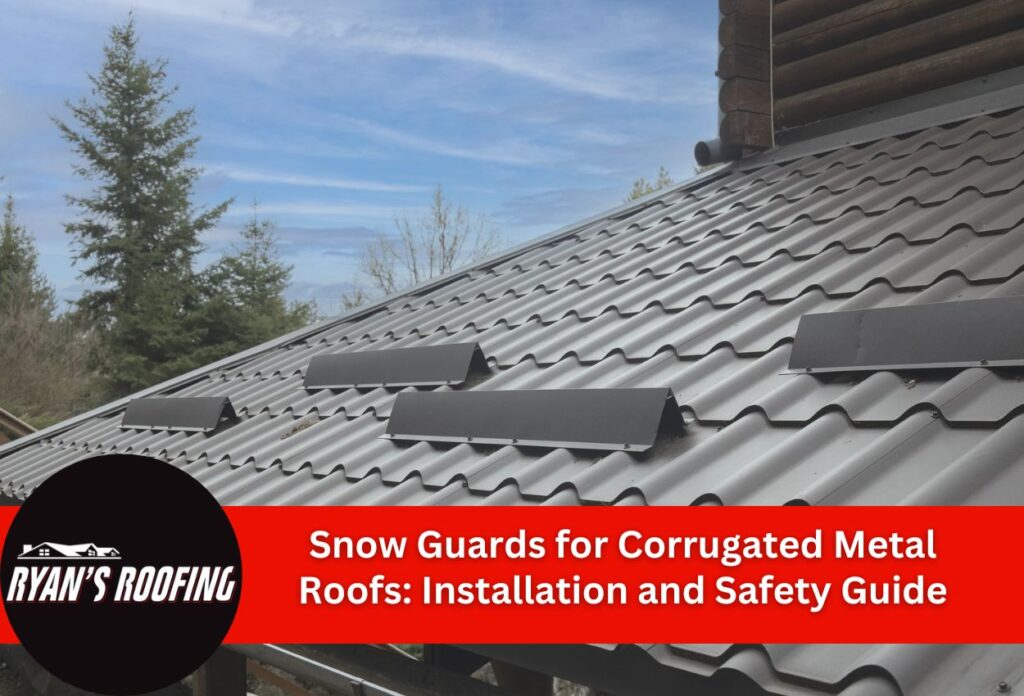

Metal roofs create dangerous conditions during the winter months when accumulated snow suddenly slides off in massive sheets. These avalanches can cause serious property damage, destroy vehicles, and injure anyone standing below. The smooth surface of metal roofing materials allows snow to build up and then slide off without warning, creating hazardous situations that traditional roofing materials rarely produce.
Snow guards, also called snow stops or retention systems, provide the necessary barrier to prevent these dangerous slides. Unlike asphalt shingles or other textured roofing materials that naturally grip snow, metal roof snow retention systems must work harder to hold this accumulation in place. The ridged design of corrugated metal panels requires specialized solutions compared to standing seam panels. Snow retention systems can also prevent ice dams by keeping accumulation from melting and refreezing at roof edges, which can lead to major water damage and structural problems.
Snow guard installation involves strategically placing retention devices that break up snow sheets before they can gain enough momentum to cause damage. These roof protection systems stop large sheets of snow and ice from crashing down onto walkways, landscaping, or parked cars, preventing property damage and keeping families safe throughout the winter.
How Snow Guards Work to Protect Your Property
Snow retention systems operate on the simple principle of breaking up accumulated snow into smaller sections rather than allowing entire sheets to slide off at once. Metal roof snow retention systems create strategic barriers that hold snow in place while permitting gradual melting and release. The science behind this approach involves distributing the weight of snow loads across multiple retention points, preventing the dangerous momentum that builds when large masses of snow begin sliding down smooth metal surfaces.
Understanding the difference between snow guards and snow bars helps property owners choose the right winter roof protection solution. Snow guards typically feature individual pieces and work by creating friction points that break up snow movement, while snow bars are larger barriers that completely stop snow from moving. Snow guards work best for moderate snow loads, making them ideal for residential applications. Snow bars provide stronger retention for commercial buildings or areas with heavy snowfall.
The corrugated design of these metal panels creates natural channels that can accelerate snow movement, making proper placement crucial for effective snow guard installation. These retention devices interrupt the natural flow patterns and create turbulence that breaks apart sliding snow masses. Metal roof ice dam prevention occurs simultaneously as controlled snow release prevents the freeze-thaw cycles that create dangerous ice formations along roof edges.
Types of Snow Guards Designed for Corrugated Metal Roofs
Adhesive-mounted snow guards are a non-damaging option, as the name suggests, being fastened to the roof with exterior-grade adhesives. However, they require careful surface preparation and specific weather conditions during installation. These systems work best on smooth metal surfaces and may not provide adequate holding power for heavy snow on corrugated profiles. Adhesive-mounted devices can be installed on existing roofs without warranty concerns since they avoid cutting through the roof entirely. Property owners benefit from reduced installation time and maintenance requirements compared to mechanically fastened alternatives.
Mechanical fastened systems involve screwing retention devices directly through the metal panels, providing maximum holding strength but requiring complete sealing to prevent water infiltration. Snow bars are typically installed in continuous rows along a metal roof, with each bar fastened directly through the metal panel to anchor it securely. This design helps hold back heavy snow loads, reducing the risk of sudden roof avalanches. While snow bars are effective for broad, even snow retention, they do require cutting through the roofing material, which can increase the risk of leaks if not installed properly.
Each snow guard installation approach comes with different benefits depending on the specific corrugated metal roof profile and local snow conditions.
Placement and Installation Techniques
Determining spacing for snow guards requires evaluating roof pitch, panel length, and regional snowfall patterns. Steeper roof pitches create greater gravitational forces that accelerate snow movement, necessitating closer spacing between retention devices. Corrugated steel roof snow stops are generally placed every 1 to 2 feet on roofs with pitches exceeding 6/12, while lower-pitched roofs may accommodate wider spacing intervals. The length of uninterrupted metal panels also influences snow guard density, as longer runs allow greater momentum before snow encounters retention barriers.
Local snowfall patterns significantly impact placement strategies for metal roof snow retention systems. Areas with heavy, wet snow require more robust retention compared to regions with light, dry snowfall. Wind patterns and sun exposure affect snow accumulation and melting rates, influencing where snow guard systems provide maximum effectiveness. Professional contractors consider these environmental factors alongside structural load requirements to develop customized layouts.
Professional installation ensures proper attachment techniques and warranty compliance, while DIY approaches often result in inadequate spacing, incorrect fastening, or incompatible hardware selection. Common installation mistakes include using the wrong fastener types, failing to seal devices properly, and ignoring manufacturer spacing recommendations. Professional contractors understand the importance of preventing ice dams and local building codes that govern snow retention requirements, ensuring installations meet safety standards and performance expectations.
How Snow Guards Prevent Ice Dams and Winter Damage Beyond Snow Slides
Snow guards work most effectively when combined with attic ventilation and insulation to create comprehensive ice dam prevention systems. While snow retention devices control dangerous avalanches, adequate ventilation prevents the temperature differentials that cause ice dams along roof edges. Ridge vents, soffit vents, and exhaust fans maintain consistent roof surface temperatures by allowing air circulation beneath metal panels. This ventilation prevents snow from melting and refreezing at gutters, which creates dangerous ice formations that can damage roofing systems and create hazards.
Insulation also directly impacts how corrugated steel roof snow stops perform throughout the winter. Insufficient attic insulation allows heated air to warm metal roofing surfaces unevenly, creating partial melting that leads to ice dams. Quality insulation maintains consistent roof temperatures that allow snow guards to function as intended, holding snow in place until natural melting occurs uniformly across the entire roof surface.
Additional winter protection strategies complement metal roof snow retention systems for comprehensive seasonal care. Gutter guards prevent blockages that contribute to ice dams, while heated cables provide targeted ice prevention in problem areas. Regularly inspecting winter roof protection systems ensures retention devices remain completely attached and functional throughout harsh weather. These integrated approaches create layered protection that addresses multiple winter hazards beyond simple snow slide prevention, protecting both property and occupants from various cold-weather roofing challenges.
Choosing the Right Snow Guard System for Pennsylvania’s Weather
Pennsylvania’s climate creates specific challenges for snow guard installation projects. The state experiences varying snow patterns, ranging from moderate accumulations in southeastern counties to heavy snowfall in northern mountainous regions. Knowing these regional differences helps property owners select appropriate snow stops that match local weather patterns. Areas around Harrisburg typically receive 25 to 35 inches of annual snowfall, requiring moderate-strength metal roof snow retention systems designed for mixed precipitation.
Freeze-thaw cycles can also stress metal roofing systems during Pennsylvania’s winter season. Temperature fluctuations cause repeated expansion and contraction that can stress snow retention hardware over time. Quality winter roof protection systems must withstand these thermal movements while maintaining secure attachment to corrugated profiles. Ice formation during freeze-thaw events increases the weight load on retention devices, making durability specifications crucial for long-term performance.
Warranty considerations are also essential when selecting metal roof snow retention systems. Manufacturers typically offer warranties on snow guards, depending on materials and construction quality. Aluminum and stainless steel retention devices generally provide superior corrosion resistance compared to painted steel alternatives, ensuring longer service life in Pennsylvania’s humid climate. Understanding warranty coverage for both materials and installation helps property owners make the best decisions about these investments that protect their buildings for decades.
Professional Installation and Maintenance for Long-Term Success
Working with experienced roofing contractors who understand corrugated metal roofing systems provides significant advantages for snow guard installation. Professional contractors understand local building codes, manufacturer requirements, and attachment techniques that ensure long-term performance of metal roof snow retention systems. Their expertise prevents common installation errors that can compromise the effectiveness of corrugated steel roof snow stops, such as incorrect spacing, improper fastening, or incompatible hardware selection.
Local building codes often specify minimum requirements for winter roof protection systems, particularly in commercial applications or areas with heavy snowfall. Professional contractors stay current with these regulations and ensure installations meet all safety standards and compliance requirements. Their experience with various corrugated profiles means they can recommend the most suitable retention devices for specific roof configurations, maximizing the effectiveness of metal roof ice dam prevention strategies.
Regular maintenance and inspections keep snow guard systems functioning effectively throughout their service life. Annual inspections should occur before winter, checking for loose clamps, damaged retention devices, or accumulated debris that might interfere with proper operation. Spring inspections assess any winter damage and verify that snow stops remain securely attached after seasonal stress. Professional contractors can spot signs of issues early and perform necessary adjustments to metal roof snow retention systems, protecting both property investment and occupant safety for years to come.
Ensure Your Safety with Snow Guards from Ryan’s Roofing LLC
Don’t let winter weather put your property at risk. Snow guards can maintain the integrity and safety of your corrugated metal roof during the snowy Pennsylvania winters. At Ryan’s Roofing LLC, we specialize in high-quality snow guards that prevent dangerous sheets of ice and snow from sliding off and damaging your property or injuring someone. Our expert team ensures proper installation and maintenance of snow guards suited to your specific roof profile and local climate.
To protect your home or business this winter with a reliable metal roof snow retention system, call Ryan’s Roofing LLC at (717) 608-1587. Our professionals are ready to provide you with the best solutions tailored to your needs. Don’t wait — prepare your roof for winter and ensure peace of mind during the snowy season.Metal roofs create dangerous conditions during the winter months when accumulated snow suddenly slides off in massive sheets. These avalanches can cause serious property damage, destroy vehicles, and injure anyone standing below. The smooth surface of metal roofing materials allows snow to build up and then slide off without warning, creating hazardous situations that traditional roofing materials rarely produce.
Snow guards, also called snow stops or retention systems, provide the necessary barrier to prevent these dangerous slides. Unlike asphalt shingles or other textured roofing materials that naturally grip snow, metal roof snow retention systems must work harder to hold this accumulation in place. The ridged design of corrugated metal panels requires specialized solutions compared to standing seam panels. Snow retention systems can also prevent ice dams by keeping accumulation from melting and refreezing at roof edges, which can lead to major water damage and structural problems.
Snow guard installation involves strategically placing retention devices that break up snow sheets before they can gain enough momentum to cause damage. These roof protection systems stop large sheets of snow and ice from crashing down onto walkways, landscaping, or parked cars, preventing property damage and keeping families safe throughout the winter.
How Snow Guards Work to Protect Your Property
Snow retention systems operate on the simple principle of breaking up accumulated snow into smaller sections rather than allowing entire sheets to slide off at once. Metal roof snow retention systems create strategic barriers that hold snow in place while permitting gradual melting and release. The science behind this approach involves distributing the weight of snow loads across multiple retention points, preventing the dangerous momentum that builds when large masses of snow begin sliding down smooth metal surfaces.
Understanding the difference between snow guards and snow bars helps property owners choose the right winter roof protection solution. Snow guards typically feature individual pieces and work by creating friction points that break up snow movement, while snow bars are larger barriers that completely stop snow from moving. Snow guards work best for moderate snow loads, making them ideal for residential applications. Snow bars provide stronger retention for commercial buildings or areas with heavy snowfall.
The corrugated design of these metal panels creates natural channels that can accelerate snow movement, making proper placement crucial for effective snow guard installation. These retention devices interrupt the natural flow patterns and create turbulence that breaks apart sliding snow masses. Metal roof ice dam prevention occurs simultaneously as controlled snow release prevents the freeze-thaw cycles that create dangerous ice formations along roof edges.
Types of Snow Guards Designed for Corrugated Metal Roofs
Adhesive-mounted snow guards are a non-damaging option, as the name suggests, being fastened to the roof with exterior-grade adhesives. However, they require careful surface preparation and specific weather conditions during installation. These systems work best on smooth metal surfaces and may not provide adequate holding power for heavy snow on corrugated profiles. Adhesive-mounted devices can be installed on existing roofs without warranty concerns since they avoid cutting through the roof entirely. Property owners benefit from reduced installation time and maintenance requirements compared to mechanically fastened alternatives.
Mechanical fastened systems involve screwing retention devices directly through the metal panels, providing maximum holding strength but requiring complete sealing to prevent water infiltration. Snow bars are typically installed in continuous rows along a metal roof, with each bar fastened directly through the metal panel to anchor it securely. This design helps hold back heavy snow loads, reducing the risk of sudden roof avalanches. While snow bars are effective for broad, even snow retention, they do require cutting through the roofing material, which can increase the risk of leaks if not installed properly.
Each snow guard installation approach comes with different benefits depending on the specific corrugated metal roof profile and local snow conditions.
Placement and Installation Techniques
Determining spacing for snow guards requires evaluating roof pitch, panel length, and regional snowfall patterns. Steeper roof pitches create greater gravitational forces that accelerate snow movement, necessitating closer spacing between retention devices. Corrugated steel roof snow stops are generally placed every 1 to 2 feet on roofs with pitches exceeding 6/12, while lower-pitched roofs may accommodate wider spacing intervals. The length of uninterrupted metal panels also influences snow guard density, as longer runs allow greater momentum before snow encounters retention barriers.
Local snowfall patterns significantly impact placement strategies for metal roof snow retention systems. Areas with heavy, wet snow require more robust retention compared to regions with light, dry snowfall. Wind patterns and sun exposure affect snow accumulation and melting rates, influencing where snow guard systems provide maximum effectiveness. Professional contractors consider these environmental factors alongside structural load requirements to develop customized layouts.
Professional installation ensures proper attachment techniques and warranty compliance, while DIY approaches often result in inadequate spacing, incorrect fastening, or incompatible hardware selection. Common installation mistakes include using the wrong fastener types, failing to seal devices properly, and ignoring manufacturer spacing recommendations. Professional contractors understand the importance of preventing ice dams and local building codes that govern snow retention requirements, ensuring installations meet safety standards and performance expectations.
How Snow Guards Prevent Ice Dams and Winter Damage Beyond Snow Slides
Snow guards work most effectively when combined with attic ventilation and insulation to create comprehensive ice dam prevention systems. While snow retention devices control dangerous avalanches, adequate ventilation prevents the temperature differentials that cause ice dams along roof edges. Ridge vents, soffit vents, and exhaust fans maintain consistent roof surface temperatures by allowing air circulation beneath metal panels. This ventilation prevents snow from melting and refreezing at gutters, which creates dangerous ice formations that can damage roofing systems and create hazards.
Insulation also directly impacts how corrugated steel roof snow stops perform throughout the winter. Insufficient attic insulation allows heated air to warm metal roofing surfaces unevenly, creating partial melting that leads to ice dams. Quality insulation maintains consistent roof temperatures that allow snow guards to function as intended, holding snow in place until natural melting occurs uniformly across the entire roof surface.
Additional winter protection strategies complement metal roof snow retention systems for comprehensive seasonal care. Gutter guards prevent blockages that contribute to ice dams, while heated cables provide targeted ice prevention in problem areas. Regularly inspecting winter roof protection systems ensures retention devices remain completely attached and functional throughout harsh weather. These integrated approaches create layered protection that addresses multiple winter hazards beyond simple snow slide prevention, protecting both property and occupants from various cold-weather roofing challenges.
Choosing the Right Snow Guard System for Pennsylvania’s Weather
Pennsylvania’s climate creates specific challenges for snow guard installation projects. The state experiences varying snow patterns, ranging from moderate accumulations in southeastern counties to heavy snowfall in northern mountainous regions. Knowing these regional differences helps property owners select appropriate snow stops that match local weather patterns. Areas around Harrisburg typically receive 25 to 35 inches of annual snowfall, requiring moderate-strength metal roof snow retention systems designed for mixed precipitation.
Freeze-thaw cycles can also stress metal roofing systems during Pennsylvania’s winter season. Temperature fluctuations cause repeated expansion and contraction that can stress snow retention hardware over time. Quality winter roof protection systems must withstand these thermal movements while maintaining secure attachment to corrugated profiles. Ice formation during freeze-thaw events increases the weight load on retention devices, making durability specifications crucial for long-term performance.
Warranty considerations are also essential when selecting metal roof snow retention systems. Manufacturers typically offer warranties on snow guards, depending on materials and construction quality. Aluminum and stainless steel retention devices generally provide superior corrosion resistance compared to painted steel alternatives, ensuring longer service life in Pennsylvania’s humid climate. Understanding warranty coverage for both materials and installation helps property owners make the best decisions about these investments that protect their buildings for decades.
Professional Installation and Maintenance for Long-Term Success
Working with experienced roofing contractors who understand corrugated metal roofing systems provides significant advantages for snow guard installation. Professional contractors understand local building codes, manufacturer requirements, and attachment techniques that ensure long-term performance of metal roof snow retention systems. Their expertise prevents common installation errors that can compromise the effectiveness of corrugated steel roof snow stops, such as incorrect spacing, improper fastening, or incompatible hardware selection.
Local building codes often specify minimum requirements for winter roof protection systems, particularly in commercial applications or areas with heavy snowfall. Professional contractors stay current with these regulations and ensure installations meet all safety standards and compliance requirements. Their experience with various corrugated profiles means they can recommend the most suitable retention devices for specific roof configurations, maximizing the effectiveness of metal roof ice dam prevention strategies. Following a proper metal roof inspection schedule can also help identify potential issues with the roof and snow retention system before winter weather arrives.
Regular maintenance and inspections keep snow guard systems functioning effectively throughout their service life. Annual inspections should occur before winter, checking for loose clamps, damaged retention devices, or accumulated debris that might interfere with proper operation. Spring inspections assess any winter damage and verify that snow stops remain securely attached after seasonal stress. Professional contractors can spot signs of issues early and perform necessary adjustments to metal roof snow retention systems, protecting both property investment and occupant safety for years to come. Proper metal roof installation also plays an important role in ensuring snow guards remain securely attached and perform as intended.
Ensure Your Safety with Snow Guards from Ryan’s Roofing LLC
Don’t let winter weather put your property at risk. Snow guards can maintain the integrity and safety of your corrugated metal roof during the snowy Pennsylvania winters. At Ryan’s Roofing LLC, we specialize in high-quality snow guards that prevent dangerous sheets of ice and snow from sliding off and damaging your property or injuring someone. Our expert team ensures proper installation and maintenance of snow guards suited to your specific roof profile and local climate.
To protect your home or business this winter with a reliable metal roof snow retention system, call Ryan’s Roofing LLC at (717) 608-1587. Our professionals are ready to provide you with the best solutions tailored to your needs. Don’t wait — prepare your roof for winter and ensure peace of mind during the snowy season.