


 GET FREE ROOF ESTIMATE

A chimney safety inspection is a critical aspect of home maintenance that directly impacts family safety and property protection. Many homeowners assume their chimney systems function properly without professional evaluation, creating potentially dangerous situations that could easily be prevented through annual chimney maintenance.
The question of why you need a chimney inspection becomes clear when considering the serious consequences of neglect. Hidden structural damage, creosote buildup, and compromised ventilation systems can lead to house fires, carbon monoxide poisoning, and expensive repairs that far exceed the cost of preventive care. Chimney structural damage often develops gradually, making problems invisible to untrained eyes until they reach dangerous levels.
Professional fireplace inspection services can identify issues before they cause emergency situations. Trained technicians examine critical components, including the flue liner, chimney cap, damper, and masonry structure, to verify safe operation. Regular chimney cleaning and inspection removes hazardous creosote deposits while detecting cracks, blockages, or deterioration that compromise the system’s integrity.
Understanding the essential role that chimney inspections play in protecting homes and families helps homeowners plan maintenance schedules that preserve both property value and peace of mind.
Hidden Dangers That Only Professional Inspections Can Detect
Professional chimney safety inspections can reveal life-threatening hazards that remain completely invisible to homeowners during casual observation. Carbon monoxide leaks pose one of the most serious risks, as this odorless, colorless gas can accumulate silently when ventilation systems malfunction or become compromised. Damaged flue liners, blocked vents, or improper damper operation can redirect deadly gases back into living spaces instead of safely venting them outdoors.
Trained inspectors use specialized equipment to detect carbon monoxide levels and identify ventilation problems that could be fatal to families. These dangerous conditions often develop gradually without obvious warning signs, making a professional evaluation essential for protecting the household.
Creosote buildup represents another hidden threat that significantly increases the risk of a chimney fire. This highly flammable substance accumulates inside flue systems during normal fireplace operation, creating thick deposits that can suddenly ignite and spread flames throughout the structure. Early creosote detection requires professional expertise, as dangerous levels often accumulate in areas homeowners cannot see or access.
Annual chimney maintenance includes looking for blockages like bird nests, debris, or structural damage that restricts airflow. These obstructions force smoke and gases to find alternative escape routes, potentially creating backdrafts that compromise indoor air quality and increase fire hazards, which experienced fireplace inspection services can properly diagnose and address.
Structural Issues That Develop Over Time
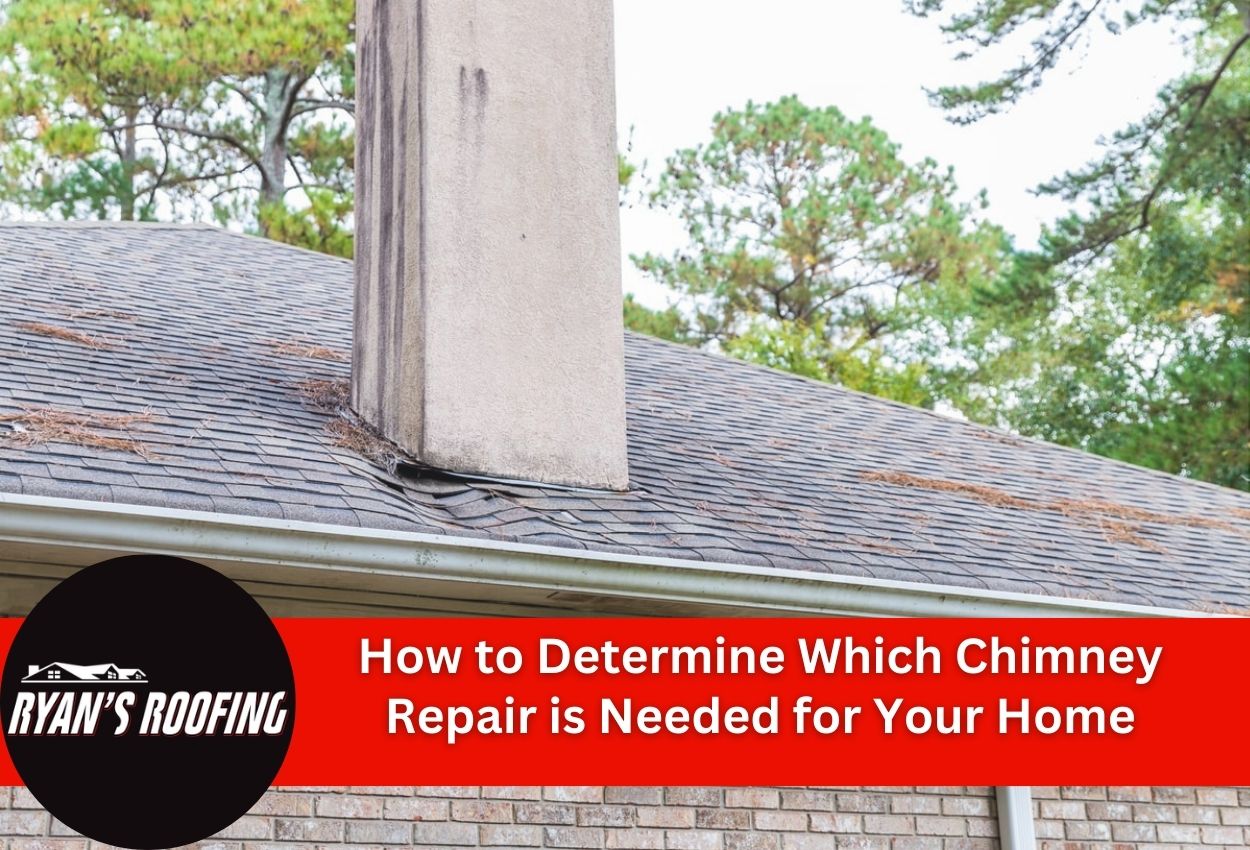
Weather exposure deteriorates chimney systems over time, as rain, snow, freeze-thaw cycles, and temperature fluctuations gradually break down essential components. The chimney crown, which caps the structure, may develop cracks that allow water into the masonry system. Flashing around the base can become loose or corroded, creating entry points for moisture that leads to extensive structural damage over time.
Regular fireplace use compounds these weather-related problems, as heat expansion and contraction can stress masonry joints and mortar. The combination of moisture infiltration and thermal stress causes seemingly minor issues to accelerate rapidly into structural failures that require extensive reconstruction rather than simple maintenance.
Small cracks in masonry or mortar joints may appear insignificant initially, but they provide pathways for water to go deep into the chimney structure. During winter, this trapped moisture freezes and expands, widening existing cracks and creating new ones in an escalating cycle of deterioration. A professional chimney safety inspection identifies these early warning signs before they progress to catastrophic failure.
Water damage spreads through interconnected masonry systems, weakening structural integrity and compromising the chimney’s ability to safely contain heat and gases. Annual chimney maintenance catches these progressive issues while repairs remain manageable, preventing the need for complete chimney rebuilding.
Types of Chimney Inspections and Their Specific Applications
The National Fire Protection Association outlines three levels of inspection for chimneys, depending on usage, age, and reason for scheduling. Understanding these levels helps homeowners determine which type of evaluation their heating system requires. Each inspection level addresses different circumstances and provides varying degrees of detail based on specific needs and potential risk factors.
Level 1 inspections serve as the annual chimney maintenance examination for regularly used systems without recent changes or incidents. These routine assessments evaluate readily accessible chimney components, including the exterior structure, fireplace interior, damper operation, and basic flue condition. Homeowners can expect inspectors to examine visible masonry, check for obvious blockages, and assess general system functionality during this basic evaluation.
Level 2 inspections become necessary when significant changes occur to the heating system, after incidents like chimney fires or severe weather events, or before real estate transactions. These comprehensive examinations include all Level 1 components plus a detailed flue inspection. Inspectors assess chimney structural damage more thoroughly and examine areas typically hidden from view during routine maintenance.
Level 3 inspections involve the most extensive evaluation, requiring the removal of chimney components or building materials to access concealed areas. These intensive assessments occur when serious hazards are suspected or when Level 2 inspections reveal potentially dangerous conditions requiring detailed investigation.
Professional fireplace inspection services determine appropriate inspection levels based on system history, usage patterns, and visible conditions to ensure all safety concerns are addressed effectively.
Timing and Frequency for Chimney Maintenance
Annual chimney maintenance provides the foundation for safe fireplace operation, regardless of how frequently homeowners actually use their heating systems. Even chimneys that remain idle throughout the year require yearly inspections to address weather damage, animal intrusions, and structural deterioration that occurs independently of fireplace use. Seasonal timing contributes to inspection effectiveness, with early fall usually offering the ideal window for a comprehensive evaluation.
September and October generally provide decent weather conditions for chimney safety inspection before heating season begins. This timing allows homeowners to address any discovered issues without rushing repairs during cold weather when demand for services increases significantly. Early fall scheduling also ensures that chimney structural damage is fixed before winter weather worsens existing problems or creates emergency situations.
Certain circumstances require an immediate professional evaluation outside the standard annual schedule. Storm damage from high winds, hail, or lightning strikes can compromise chimney integrity without visible external indicators. Animal intrusions, particularly birds or small mammals seeking shelter, create blockages that restrict ventilation and require prompt removal to prevent dangerous backdraft conditions.
Extended periods of non-use actually increase inspection urgency rather than reducing maintenance needs. Unused chimneys become attractive nesting sites for animals while accumulated debris and moisture create ideal conditions for accelerated deterioration. Professional chimney cleaning and inspection after prolonged inactivity ensures systems remain safe and functional when homeowners decide to resume fireplace operation.
What Professional Inspectors Look for During Service Calls
Professional inspection services follow comprehensive steps to examine both interior and exterior chimney components. These detailed examinations identify potential safety hazards and structural problems that could compromise system performance or household safety.
The interior component evaluation begins with flue liner condition assessment, examining the protective barrier that separates combustible materials from high-temperature gases and flames. Inspectors look for cracks, gaps, or deterioration in clay tiles, stainless steel liners, or cast-in-place materials that could allow dangerous heat transfer to surrounding wooden structures. Damper functionality receives careful attention as inspectors verify proper opening and closing mechanisms while checking for warping, rust, or damage that prevents effective operation.
An airflow assessment involves measuring ventilation capacity and identifying restrictions that impede proper smoke and gas evacuation. Professional inspectors use specialized tools to detect blockages, assess draft strength, and verify that combustion byproducts exit safely through the chimney system rather than entering living spaces.
The exterior evaluation includes checking chimney cap integrity and examining these protective covers for cracks, rust, or missing components that allow water infiltration or animal entry. Spark arrestor condition receives close attention to ensure these safety devices effectively prevent burning embers from escaping while maintaining proper ventilation. Roof connection points are carefully inspected for loose flashing, separated joints, or water damage that could lead to leaks or structural problems requiring immediate attention.
These in-depth evaluations ensure that chimneys are in pristine condition and can be used as intended throughout the winter.
Secure Your Home with Chimney Inspections from Ryan’s Roofing LLC
Don’t underestimate the importance of a chimney inspection. Regular checks are crucial for your home and family’s safety. At Ryan’s Roofing LLC, we specialize in identifying and resolving chimney hazards before they become major issues. Whether it’s carbon monoxide leaks, creosote buildup, or structural damage, our expert team is equipped to handle it all.
Annual maintenance isn’t just a safety measure — it also preserves the integrity of your chimney and enhances your home’s value. Don’t wait for the visible signs of damage to appear. Take proactive steps to protect your property and loved ones. Call Ryan’s Roofing LLC today at (717) 608-1587 to schedule your chimney inspection and ensure peace of mind all year round.