


 GET FREE ROOF ESTIMATE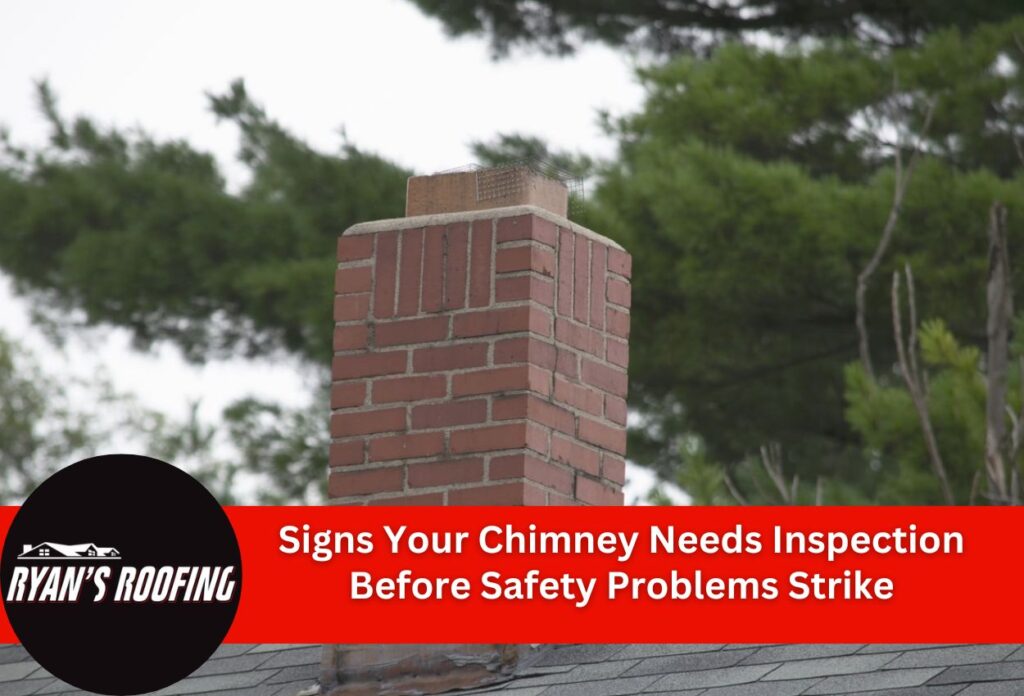

Your chimney works hard to protect your home and family from dangerous gases and fire hazards. When problems develop, they often start small but can quickly turn into serious safety risks that put everyone at risk. Many homeowners miss the early warning signs of chimney damage, which indicate trouble is brewing inside their chimney system.
Recognizing signs that your chimney needs inspection can prevent expensive repairs and dangerous situations. A chimney that appears fine from the outside might have hidden damage that only gets worse with time. Cracks in the chimney crown, damaged flue liners, and deteriorating mortar joints are just a few issues that require immediate attention from a qualified professional.
Pennsylvania homeowners face unique challenges with their chimneys due to harsh winter weather and temperature changes throughout the year. Freeze-thaw cycles can cause significant damage to chimney structures, while heavy use during winter puts extra stress on all components.
Fireplace safety issues often develop gradually, making them easy to overlook until they become dangerous. Knowing when to call a chimney professional can make the difference between a simple repair and a major reconstruction project that affects your entire home’s safety and value.
Visible Exterior Damage You Can Spot From Ground Level
Examining your chimney’s exterior from ground level reveals many chimney damage warning signs that indicate structural problems requiring immediate attention. The chimney crown, which sits at the top of your chimney, often shows the first signs of deterioration through visible cracks or crumbling concrete. These cracks allow water to get into the chimney system, leading to extensive damage throughout the structure.
Mortar joints between bricks frequently deteriorate over time, creating gaps where water can enter and cause freeze-thaw damage during winter. White staining on the exterior brickwork, known as efflorescence, signals that water is moving through the masonry and carrying salts to the surface. Spalling bricks that appear to be flaking or crumbling indicate serious moisture problems that compromise the chimney’s structural integrity.
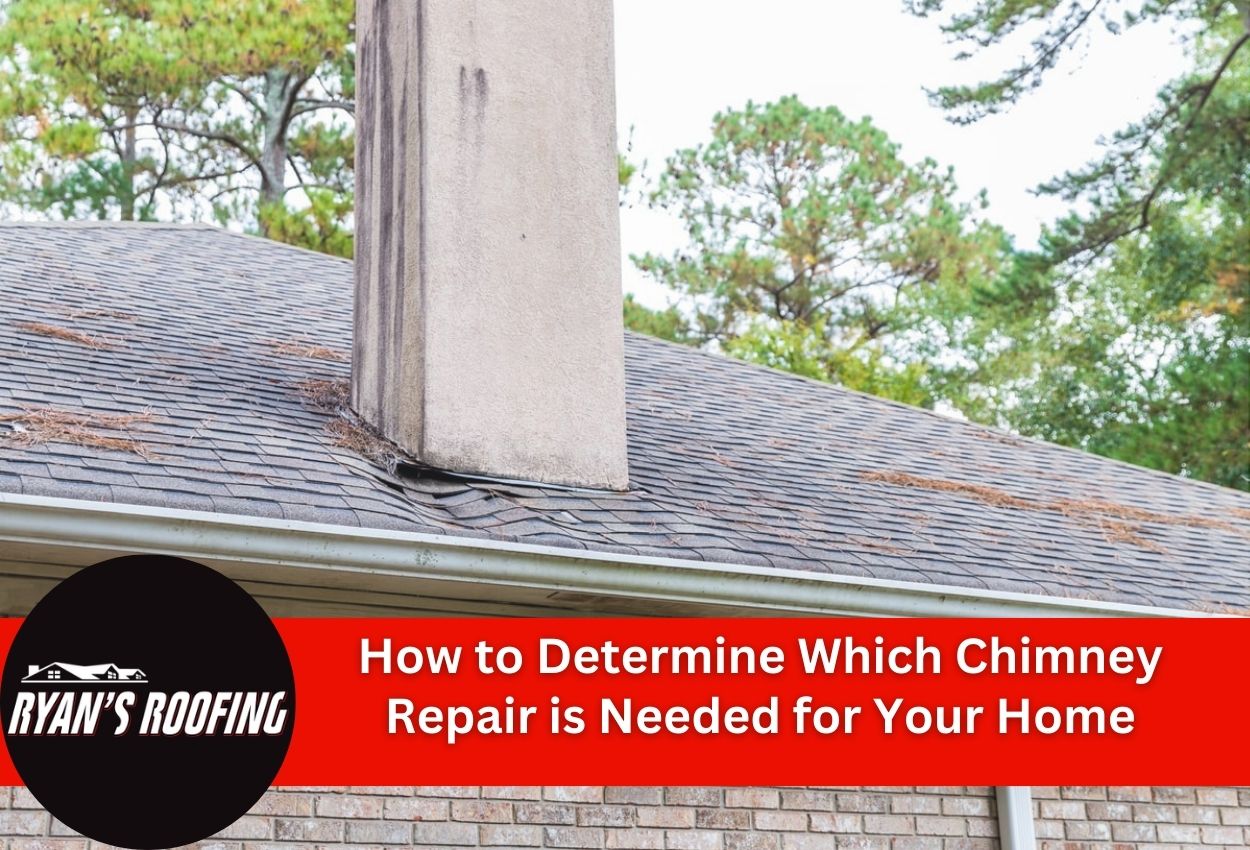
Damaged or missing chimney caps leave the flue opening exposed to rain, snow, and animals. Loose or corroded flashing creates pathways for water to enter your home, potentially causing significant damage to surrounding roof structures and interior spaces. The chimney cap and flashing around the base, where the chimney meets the roofline, require careful inspection for signs that your chimney needs inspection.
Rust stains on the exterior masonry often indicate problems with the damper or firebox components inside the chimney. These fireplace safety issues require professional evaluation to determine when to call a chimney professional for proper diagnosis and repair before problems get worse.
Interior Warning Signs Around Your Fireplace and Home
Interior warning signs often provide the clearest indication that your chimney requires professional attention. White staining around the fireplace opening or on nearby walls could be a sign of a leak that will cause serious structural damage over time. This efflorescence appears when moisture carries mineral salts through the masonry, leaving behind chalky deposits that indicate ongoing water infiltration problems.
The damper assembly inside your fireplace may show rust or corrosion that affects its ability to seal properly. A rusted damper cannot create the tight seal necessary to prevent downdrafts and energy loss when the fireplace is not in use. Strange odors emanating from the fireplace, particularly musty or acrid smells, often indicate moisture problems, animal intrusion, or dangerous creosote buildup that requires immediate professional evaluation.
Changes in draft performance represent serious fireplace safety issues that compromise the system’s ability to remove smoke and dangerous gases from your home. Smoke entering your living space during fireplace operation indicates blockages, damper problems, or structural damage within the chimney. These chimney damage warning signs create immediate health hazards and require urgent attention.
Water stains on walls or ceilings near the chimney reveal leaks that can cause extensive property damage and create conditions for mold growth. When these signs that your chimney needs inspection appear, chimney maintenance suggests discontinuing fireplace use until a qualified professional can evaluate the system and determine the appropriate chimney inspection frequency for ongoing safety monitoring.
Seasonal Damage Indicators After Harsh Weather Events
Pennsylvania’s harsh winter conditions create specific chimney damage warning signs that require immediate attention once severe weather passes. Freeze-thaw cycles cause water trapped within masonry to expand and contract repeatedly, creating new cracks or widening existing ones throughout the chimney structure. These temperature fluctuations can cause significant deterioration to mortar joints, chimney crowns, and brick surfaces that may not be immediately visible from ground level.
After winter weather subsides, homeowners should examine their chimneys for signs that their chimney needs inspection, including loose or missing bricks, cracked chimney caps, and damaged flashing. Ice dams that form around chimney bases can force water into previously sealed areas, creating new leak pathways that compromise the entire system. The repeated freezing and thawing process accelerates the deterioration of existing weak points in the masonry structure.
Storm damage from high winds and heavy precipitation affects chimney stability and component integrity in ways that create immediate safety concerns. Strong winds can loosen or remove chimney caps, allowing rain and debris to enter the flue system directly. Heavy rains combined with damaged crowns or flashing create water infiltration problems that quickly get worse.
Professional Inspection Schedule Guidelines
Professional chimney inspections should occur annually for most residential properties, though specific circumstances may require more frequent evaluations. The National Fire Protection Association recommends yearly inspections for chimneys connected to fireplaces, wood stoves, or other fuel-burning appliances to ensure safe operation and identify potential problems before they become dangerous.
Chimney inspection frequency depends heavily on how often homeowners use their fireplace or heating appliance throughout the year. Properties with wood-burning fireplaces used regularly require annual professional evaluations, while occasional-use fireplaces may extend inspection intervals slightly. Gas fireplaces and appliances still need yearly inspections despite producing fewer corrosive byproducts than wood-burning systems.
The type of fuel burned significantly affects inspection scheduling requirements and potential fireplace safety issues. Wood-burning systems produce creosote buildup that creates fire hazards requiring regular professional cleaning and evaluation. Coal-burning appliances generate different combustion byproducts that can corrode chimney components more aggressively than other fuel types. Oil and gas systems create their own maintenance challenges that require specialized knowledge to evaluate properly.
Special circumstances require more frequent professional attention beyond standard annual schedules. Properties experiencing any signs that your chimney needs inspection should receive immediate professional evaluation, regardless of when the last inspection occurred. Following proper chimney maintenance tips includes scheduling additional inspections after severe weather events, changes in appliance types, or when chimney damage warning signs appear. These evaluations can also help identify freeze-thaw roof damage around chimney flashing and other areas where moisture and temperature changes may affect the roofing system.
Simple Maintenance Steps to Prevent Major Problems
Homeowners can perform several basic preventive measures to extend their chimney system’s lifespan and catch early chimney damage warning signs before they become serious problems. Regular visual inspections from ground level help identify obvious issues like damaged mortar joints, cracked chimney crowns, or loose flashing that require professional attention. Keeping the area around your chimney clear of debris, leaves, and overhanging tree branches prevents moisture buildup and reduces fire hazards.
Installing and maintaining a quality chimney cap represents one of the most effective chimney maintenance tips for preventing water infiltration and animal intrusion. Cleaning gutters near the chimney prevents water overflow that can saturate masonry and cause freeze-thaw damage during winter. Homeowners can safely inspect chimney caps for rust, damage, or loose screening that allows debris to enter the flue system.
Basic fireplace maintenance includes removing cold ashes properly, checking the damper operation, and ensuring the fireplace screen remains in good condition. However, homeowners must understand the critical limitations of DIY maintenance when dealing with chimney systems. Tasks involving climbing on roofs, cleaning flues, or inspecting internal chimney components should always be left to certified professionals who possess the proper equipment and expertise.
Professional chimney cleaning, flue liner inspection, and structural evaluations require specialized knowledge that determines proper chimney inspection frequency for each property. Attempting these tasks without proper training creates serious fireplace safety issues and can mask dangerous conditions. Understanding when to call chimney professional services protects both property and personal safety while maintaining insurance coverage and local code compliance. If chimney or roof damage results in an active leak, homeowners should also seek emergency roof leak protection to prevent further water intrusion until permanent repairs can be completed.
When to Stop Using Your Fireplace and Call an Expert Immediately
Certain chimney conditions create immediate safety hazards that require stopping fireplace use until professional repairs are completed. These emergencies can rapidly escalate into life-threatening scenarios, including house fires, carbon monoxide poisoning, or structural collapse. Recognizing these critical fireplace safety issues allows homeowners to respond appropriately before dangerous conditions get worse.
Smoke entering your living space represents an emergency requiring an immediate fix. This condition indicates serious blockages, structural damage, or ventilation problems that prevent dangerous gases from exiting properly through the chimney system. Carbon monoxide detectors alerting near fireplace areas signal potentially fatal gas accumulation that demands immediate fireplace shutdown and professional evaluation.
Visible flames or sparks exiting the chimney top indicate dangerous creosote fires burning within the flue system. These chimney fires can reach temperatures exceeding 2000 degrees Fahrenheit and cause catastrophic structural damage to the entire chimney. Any crackling sounds, vibrations, or unusual odors during fireplace use suggest internal combustion problems requiring immediate extinguishment and emergency professional response.
Water dripping into the fireplace during or after precipitation reveals serious structural compromises that create both immediate safety hazards and long-term damage risks. Active leaks can cause steam explosions when water contacts hot fireplace components, while ongoing moisture infiltration deteriorates masonry and promotes dangerous mold growth throughout the home’s structure. These signs that your chimney needs inspection require immediate professional attention to prevent escalation into major safety emergencies.
Qualified chimney professionals in the Harrisburg area provide comprehensive inspection services, including visual assessments, structural evaluations, and specialized equipment testing to identify hidden problems. Professional inspections typically include examination of the firebox, damper assembly, flue liner condition, and external chimney components using specialized cameras and measurement tools. Understanding proper chimney inspection frequency and maintaining relationships with certified professionals ensures a rapid response when emergencies develop, protecting both property value and occupant safety throughout the heating season.
Protect Your Home with Ryan’s Roofing LLC
If you’ve noticed any of the warning signs discussed, such as cracks in the chimney crown, rust on the damper, or unusual odors, it’s crucial to take action before these issues escalate into major safety hazards. Waiting too long can lead to expensive repairs and potentially dangerous situations for you and your family. Don’t compromise on safety, ensure your chimney is in top condition to protect your home from fire hazards and structural damage.
Ryan’s Roofing LLC is your trusted partner in Harrisburg for comprehensive chimney inspections and repairs. Our experts are well-equipped to handle all types of chimney problems, providing you with peace of mind and a safer living environment. Don’t ignore the warning signs. Call us today at (717) 608-1587 and schedule your professional chimney inspection.