


 GET FREE ROOF ESTIMATE
With winter approaching in Harrisburg, PA, preparing your roof to withstand harsh weather conditions is essential to preserving a home’s safety and structure. Harrisburg roofs experience 100-110 annual freeze-thaw cycles, creating significant stress on roofing systems. Snow, ice, and freezing temperatures can create additional challenges, but proactive maintenance can prevent issues like ice dams, leaks, and excessive snow accumulation that often lead to costly repairs.
Effective winter roof care includes choosing materials suited for snowy climates, applying preventive measures against ice dams, and conducting regular inspections to spot potential problems early. These practices not only protect the roof from the elements but also ensure its durability throughout the season, keeping homes safe, warm, and resilient against winter’s demands.
Key Takeaways: Maintaining Your Roof This Winter
- Fall Maintenance Saves Thousands: Spend $200-$300 on proactive fall repairs to avoid $4,500-$5,500 in winter structural damage—every dollar invested saves $1.50-$2.00 in future costs.
- Target R-49 Insulation: Pennsylvania homes should aim for R-49 attic insulation using fiberglass batts or blown-in cellulose to prevent ice dams and reduce heating costs.
- Monitor Snow Load: With Harrisburg’s 25-35 inches of annual snowfall, use a roof rake after each storm to remove snow in layers and prevent structural stress.
- Inspect Twice Yearly: Schedule comprehensive roof inspections in spring and fall to catch damage early, especially after Harrisburg’s 100-110 annual freeze-thaw cycles.
The First Step: Assessing Your Roof’s Current Condition
Before the winter season fully sets in, conducting a thorough roof inspection helps avoid any mid-winter surprises. The importance of a pre-winter roof check cannot be overstated, as it helps identify areas that are vulnerable to winter hazards. Conducting an inspection during the fall provides ample time to address issues such as cracks, leaks, or damaged shingles before they worsen under the weight of snow and ice.
| Maintenance Type | Cost Range | ROI | Typical Issues Addressed |
|---|---|---|---|
| Proactive Fall Maintenance | $200-$300 | $1.50-$2.00 saved per $1 spent | Minor repairs, gutter cleaning, seal inspection |
| Reactive Winter/Spring Repairs | $4,500-$5,500 | N/A | Structural damage, ice dam damage, water infiltration |
Proactive fall maintenance costs $200-$300 for minor repairs, while neglecting these issues can lead to structural fixes costing $4,500-$5,500. Fall is the critical time for preparation, including clearing gutters of debris, inspecting for any roof damages, and ensuring that roofing materials are secure and intact as proactive steps before winter arrives.
To prevent damage to your roof from winter weather, inspect your home for these key issues:
- Signs of aging or wear and tear
- Broken or missing shingles
- Ensure your gutters and downspouts are clear of debris to prevent ice dams on roofs
- Inspect the attic for any signs of water intrusion, as this could indicate a compromised roof
Maintaining your roof in winter involves proactive measures. If you’re unsure about conducting an inspection yourself, consider hiring a professional roofing contractor from the Harrisburg, PA area. They can provide a detailed assessment and suggest the best roofing materials for snowy climates, ensuring your roof is optimized to face the harsh winter conditions.
The key to effective winter roof maintenance is early detection and timely repairs. By assessing your roof’s current condition and addressing any issues now, you can enhance its durability and performance. Research shows that every dollar spent on maintenance saves $1.50-$2.00 in future repair costs, making proactive care a smart investment.
Preventing and Dealing with Ice Dams
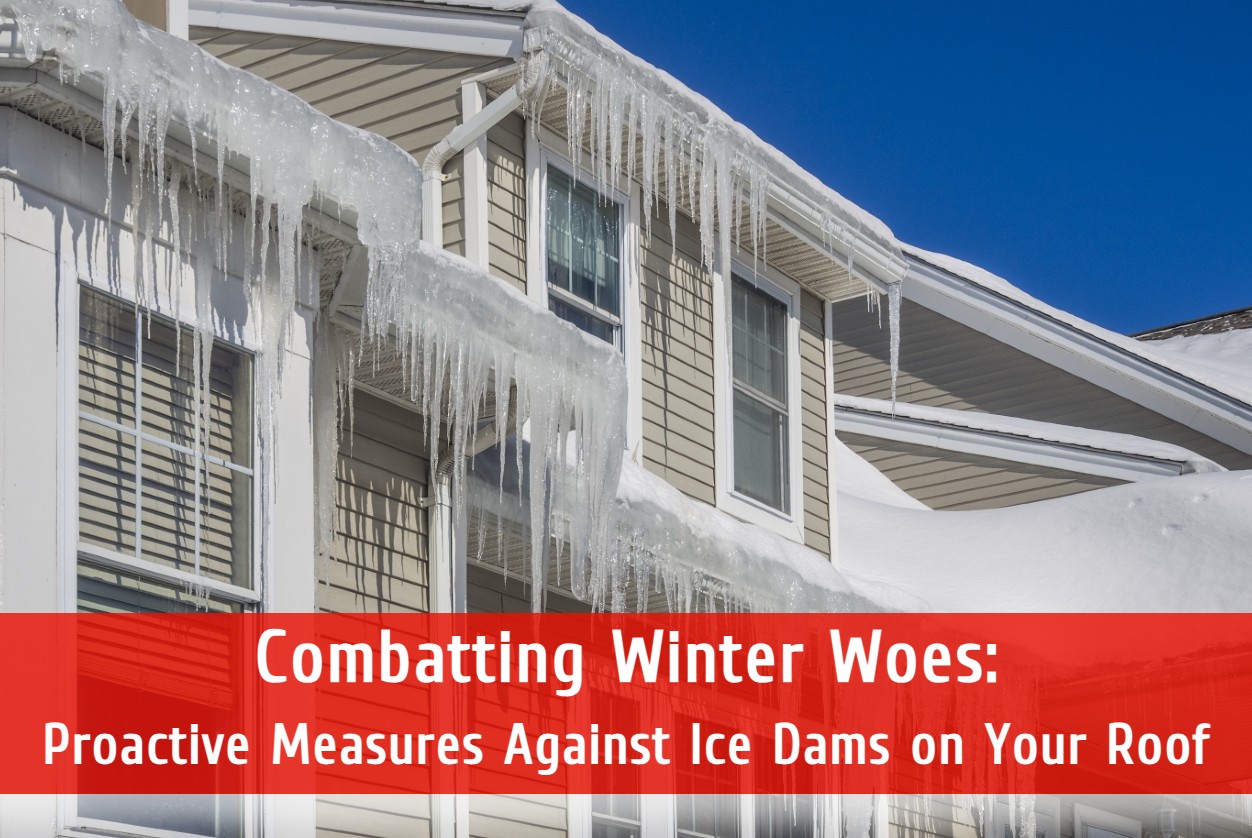
Ice dams are thick ridges of solid ice that build up along the eaves of roofs. These formations can cause significant damage to your roof and home by preventing melting snow from draining off the roof, leading to water seepage under shingles and into the attic or walls. When water freezes, it expands by 8-10%, creating additional pressure that can worsen existing cracks and damage. This can result in insulation damage, mold growth, and interior water damage.
To prevent ice dams, proper roof insulation and ventilation are necessary. Ensuring your attic is well-insulated keeps heat from escaping through the roof, which can melt snow unevenly and contribute to ice dam formation. Additionally, maintaining clear gutters and downspouts is essential to allow melting snow to flow freely away from your roof. Installing heated cables along the edges of your roof can also prevent ice from forming.
If ice dams have already formed, you can apply calcium chloride ice melter to break them up safely as an initial DIY method. However, if the issue is severe, it may be necessary to call a professional roofing contractor, especially in areas like Harrisburg, PA, where winter weather can be particularly harsh. Professionals can safely remove ice dams using specialized equipment and techniques, protecting your roof and home from further damage.
Preventing ice dams on roofs not only protects the structural integrity of your home but also enhances the longevity of your roofing materials. Taking proactive steps before and during winter can save you from costly repairs and extend the life of your roof.
Proper Insulation and Ventilation Techniques
Effective insulation and ventilation play pivotal roles in maintaining roof health during winter. Properly insulated and ventilated roofs help regulate temperature and moisture levels in the attic, preventing issues like ice dams and structural damage caused by freezing temperatures. In Harrisburg, PA, where winters can be particularly harsh, ensuring your roof is well-prepared can make a significant difference in its longevity and performance.
To check and improve your roof’s insulation and ventilation, start by inspecting the attic. Look for signs of moisture, such as wet insulation or mold, which can indicate poor ventilation. Ensure there is enough insulation to keep heat from escaping, which contributes to snow melting unevenly on the roof and forming ice dams. Additionally, check that vents are not blocked by insulation or other debris, as proper airflow keeps the attic dry and cool.
Consider adding more insulation if current levels are insufficient, especially in older homes that might not meet modern standards. Most homes in Pennsylvania should aim for an R-value of R-49 in the attic, which can be achieved by using materials such as fiberglass batts, foam board, or blown-in cellulose. Consider the installation of an ice and water shield, especially in areas prone to ice dams. This shield can help prevent water from seeping into your home, which is a common issue during Pennsylvania winters when snow melts and refreezes at the roof edges. Upgrading or cleaning out roof vents and installing ridge or soffit vents can also improve air circulation. These steps will not only help in preventing ice dams on roofs but also enhance the overall energy efficiency of your home, keeping heating costs down during the cold months.
Maintaining your roof in winter requires a proactive approach. By ensuring your roof is well-insulated and properly ventilated, you can protect it from the severe effects of winter weather, ultimately safeguarding your home and its contents.
Protecting Your Gutters, Soffits, and Fascia
Winter conditions can cause specific damage to gutters, soffits, and fascia through blockages, ice dams, detachment from weight, and cracks from ice expansion. When gutters become blocked with ice or debris, they cannot properly drain melting snow, leading to water infiltration that can damage your home’s interior. Damaged soffits and fascia compromise ventilation systems, increase moisture levels, and reduce energy efficiency throughout your home, and assessing roof energy efficiency an essential part of seasonal maintenance.
During pre-winter inspections, pay special attention to these components. Check for loose or damaged gutters that might not withstand the weight of ice accumulation. Inspect soffits for cracks or gaps that could allow moisture into the attic space. Examine fascia boards for signs of rot or damage that could worsen under winter conditions. Addressing these issues before winter arrives prevents more extensive damage to your entire roofing system.
Snow Removal Best Practices
Removing snow from your roof is a part of winter roof maintenance, especially in areas prone to heavy snowfall like Harrisburg, PA. With 25-35 inches of annual snowfall, Harrisburg roofs face significant load risks that require careful management. Approach snow removal safely to prevent damage to your roof and ensure your personal safety.
To safely remove snow from your roof, use a roof rake with a long extension handle to avoid climbing onto the roof. Start from the edge and carefully pull snow down the slope of the roof. This technique helps prevent snow accumulation, which can lead to ice dams and excessive stress on your roof structure. Never use sharp tools or excessive force, as these can damage roofing materials such as shingles or tiles.
For effective snow removal, consider the pattern and timing of removal. Regularly check the amount of snow and ice present on your roof, especially after heavy snowfall. Look for signs of winter roof damage such as sagging or water damage, which could indicate excessive accumulation requiring immediate attention. It’s often best to remove snow after each snowfall rather than waiting for snow to build up. In cases of deep snow, removing it in layers from top to bottom can help manage the weight and reduce the risk of damage.
When dealing with heavy snow or ice, it may be safer and more effective to hire a professional snow removal service. Professional contractors have the necessary equipment and expertise to safely clear your roof without causing damage. This is particularly advisable for steep or large roofs, or when ice has formed and cannot be safely removed without specialized tools.
By following these practices, you can help protect your home from the hazards of heavy snow and ice. Consistent and safe snow removal is key to preventing ice dams and minimizing the risk of structural damage during the winter months.
Handling Emergency Winter Roofing Situations
Winter roofing emergencies require immediate attention but must be handled with extreme caution. Never climb onto icy or snowy roofs, as the risk of injury is too great. Instead, conduct visual inspections from the ground using binoculars if necessary to assess damage from a safe distance.
When contacting emergency roofing contractors, provide specific information about the situation: the type and extent of visible damage, whether there are active leaks, and the current weather conditions. This helps contractors prepare appropriate equipment and prioritize your emergency based on severity.
Understand that temporary solutions like tarping may be necessary until permanent repairs can be made in favorable weather conditions. Emergency contractors who specialize in winter roofing services have experience working in cold weather and can implement temporary measures to prevent further damage while ensuring safety.
Finding contractors who specialize in emergency winter roofing services and cold weather repairs ensures you receive appropriate help when winter emergencies strike. These professionals understand the unique challenges of winter repairs and can provide effective solutions even in harsh conditions.
Choosing the Right Materials for Snowy Climates
Selecting the appropriate roofing materials is necessary for homes in snowy climates like Harrisburg, PA. The best roofing materials for snowy climates are those that can withstand heavy snow loads, resist ice accumulation, and enhance the overall durability of the roof.
Metal roofs, for instance, are highly recommended due to their strength, longevity, and ability to shed snow and ice effectively. Slate and tile roofs also perform well in winter conditions but may require reinforced roofing supports due to their weight.
Considering an upgrade to your roofing materials can significantly improve your roof’s performance during winter months. Evaluate your current roofing system before the cold season begins. If your roof is nearing the end of its lifespan or has been prone to issues during previous winters, upgrading to a more durable material can be beneficial.
Consulting with a professional roofing contractor who is familiar with Harrisburg’s winter weather patterns can provide you with tailored advice on the best roofing materials for your specific needs. They can help assess whether your current roofing system is suitable or if a more resilient material would be beneficial to protect your home against harsh winter conditions.
The right roofing materials not only safeguard your home from snow and ice but also contribute to energy efficiency and may reduce heating costs during the cold season. Consider these aspects when choosing materials for your roof to ensure optimal performance and protection all winter long.
Seasonal Maintenance Checklist
| Month | Key Tasks | Focus Area |
|---|---|---|
| Fall (Pre-Winter) | Clear gutters, inspect for damages, secure roofing materials | Prevention & Preparation |
| December | Check insulation R-value (aim for R-49), inspect ventilation systems | Insulation & Ice Dam Prevention |
| January | Monitor snow accumulation (25-35 inches expected), remove excess safely, check for sagging | Snow Load Management |
| February | Inspect for ice dams, apply calcium chloride if needed, check gutters/soffits/fascia | Ice Dam Response & System Check |
| Spring (Post-Winter) | Conduct thorough inspection for winter damage, schedule timely repairs | Damage Assessment & Repair |
As the winter months approach, having a clear and comprehensive checklist for roof maintenance can be invaluable. This checklist should include tasks tailored for each winter month, ensuring your roof remains in top condition despite the harsh weather. For December, prioritize checking for any signs of shingle damage or leaks, as these can worsen under heavy snow. In January, focus on monitoring snow accumulation and the potential formation of ice dams. By February, reassess the roof’s overall stability and the effectiveness of any previous repairs or maintenance efforts. Conduct a post-winter inspection to reveal any issues caused by winter weather, allowing for timely repairs that prevent long-term damage.
Aside from monthly checks, regular upkeep is vital for extending the life of your roof through the winter. Industry experts recommend comprehensive roof inspections 2 times per year during spring and fall seasons. Ensure your gutters are clean and free from debris to prevent ice dam formation, a common issue during the colder months. Regularly inspecting your attic for insulation efficiency can also help minimize heat loss, which affects snow melting and refreezing on the roof surface. If you notice any issues during these inspections, contact a professional roofing contractor in the Harrisburg, PA area to address them promptly.
Implementing these winter roof maintenance tips and regularly checking the condition of your roof can significantly mitigate the risk of damage, ensuring your home remains warm and protected throughout the season. By following this seasonal maintenance checklist, you are taking proactive steps to safeguard your investment and ensure the longevity of your roof.
Call Us For Tips for Maintaining Your Roof This Winter in Harrisburg, PA
Don’t wait until it’s too late! Protect your home with expert roof care from Ryan’s Roofing. Call us at (717) 608-1587 for a comprehensive winter roof inspection and essential maintenance. Ensure your roof is ready to withstand the harsh winter conditions and prevent costly damage. Our team will assess your roof’s current condition, address potential issues like ice dams, and recommend the best materials for snowy climates. With proper insulation, ventilation, and snow removal techniques, we’ll help you maintain a sturdy roof all winter long. Contact Ryan’s Roofing today and give your roof the care it deserves!
How often should I inspect my roof during winter months?
While biannual inspections are standard, winter requires more frequent monitoring. Check your roof after each major snowfall or ice storm from ground level using binoculars. Look for signs of sagging, ice dam formation, or icicles along the eaves, which indicate potential drainage problems requiring immediate attention.
What temperature is too cold for emergency roof repairs?
Most roofing materials become brittle below 40°F, making permanent repairs challenging. However, emergency contractors can apply temporary weatherproofing measures even in freezing conditions. Asphalt shingles require temperatures above 45°F for proper sealing, so comprehensive repairs typically wait until spring thaw when materials regain flexibility.
Can attic ventilation actually make my home colder in winter?
Proper attic ventilation doesn’t cool your living space—it prevents moisture buildup and temperature imbalances that cause ice dams. Cold air entering through soffit vents and exiting through ridge vents maintains consistent attic temperature, protecting your roof structure while your home’s insulation keeps living areas warm.
What’s the maximum safe snow load my roof can handle?
Pennsylvania building codes typically require roofs to support 30-50 pounds per square foot, but older homes may have lower capacities. Wet, heavy snow weighs significantly more than fresh powder. Warning signs of excessive load include cracked walls, stuck doors, and roof sagging—evacuate immediately if these appear.
Should I be concerned about small icicles forming on my roof?
Small icicles along gutters are normal, but large formations indicate heat loss and potential ice dam development. If icicles extend beyond six inches or form mid-roof rather than at edges, your attic insulation or ventilation needs improvement to prevent the freeze-thaw cycles causing this formation.