


 GET FREE ROOF ESTIMATE
 Assessing Roof Energy Efficiency: How To Make Your Home More Comfortable
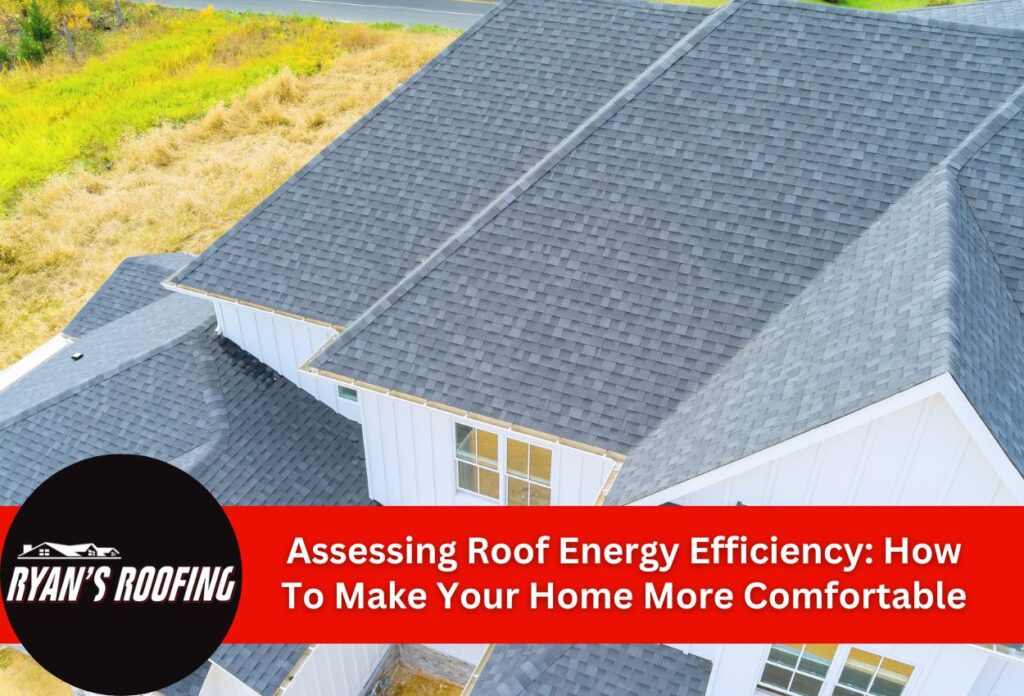

Your roof serves as the primary barrier between your home’s interior and external temperature fluctuations, making it the single most influential factor in your property’s energy performance. When assessing roof energy efficiency, homeowners often discover that this critical building component accounts for up to 40% of total heating and cooling costs throughout the year.
A comprehensive roof energy audit reveals how thermal performance directly impacts monthly utility expenses and indoor comfort levels. Energy-efficient roofing materials, proper insulation effectiveness, and cool roofing systems work together to create a thermal envelope that either supports or undermines your HVAC system’s efficiency.
Several warning signs indicate when a roof thermal performance is falling short of optimal standards. Rooms that feel consistently too hot in summer or cold in winter, despite adequate heating and cooling equipment, often point to roofing deficiencies. Similarly, utility bills that spike dramatically during seasonal temperature extremes suggest that heat transfer through the roof assembly exceeds acceptable levels, creating unnecessary energy waste and reduced comfort throughout the home.
Professional Roof Energy Audits: What to Expect
A professional roof energy audit follows a systematic approach that begins with visually inspecting the roof assembly and attic space. Certified contractors use infrared imaging technology to detect temperature variations across the roofing surface, revealing areas where heat transfer occurs through thermal bridging or inadequate insulation coverage. These thermal cameras capture invisible heat patterns that indicate specific locations where energy efficient improvements are needed.
During the assessment process, contractors evaluate roof insulation effectiveness by measuring R-values and identifying gaps or areas of compression that reduce thermal performance. Air leak detection involves pressurization testing and smoke pencils to locate areas where conditioned air escapes through the roof assembly. The audit also examines ventilation systems, roofing material condition, and potential benefits of cool roof systems that reflect solar radiation rather than absorbing heat.
Professional energy audits generate detailed reports that pinpoint exact problem areas affecting roof thermal performance. These comprehensive evaluations identify voids in insulation material, air sealing deficiencies, and opportunities to upgrade to energy-efficient roofing materials that enhance overall home efficiency and comfort.
Evaluating The Current Effectiveness of Your Current Roof
Determining whether existing insulation meets current energy standards requires carefully examining both visible and hidden indicators throughout the roof assembly. Contractors typically measure insulation R-values against updated building codes, which have increased substantially over recent decades. Many homes built before 2000 fall short of modern thermal performance requirements, creating opportunities for significant energy savings through targeted upgrades.
Visual inspection reveals common problems that compromise roof insulation effectiveness, including gaps around penetrations, compressed materials near eaves, and uneven distribution across attic floors. Settlement patterns become evident where blown-in insulation has shifted away from critical areas, leaving thermal bridges that allow unwanted heat transfer between interior and exterior environments.
Different insulation materials age at varying rates, affecting the long-term thermal performance of the roof. Fiberglass batts maintain their R-value consistently but may develop gaps if improperly installed. Cellulose insulation can settle significantly over time, reducing thickness and thermal resistance. Spray foam insulation typically maintains effectiveness longest but may crack or separate from framing members in extreme temperature cycles, creating pathways for air infiltration that undermines overall system performance.
Modern Energy-Efficient Roofing Materials and Their Benefits
Reflective shingles represent a significant advancement in roof thermal performance, utilizing specially formulated granules that reflect solar radiation instead of absorbing heat into the building’s thermal envelope. These energy-efficient roofing materials can reduce roof surface temperatures by 20 to 30 degrees Fahrenheit compared to traditional asphalt shingles, directly lowering cooling costs during the summer. The reflective technology maintains effectiveness throughout the material’s lifespan, providing consistent energy savings year after year.
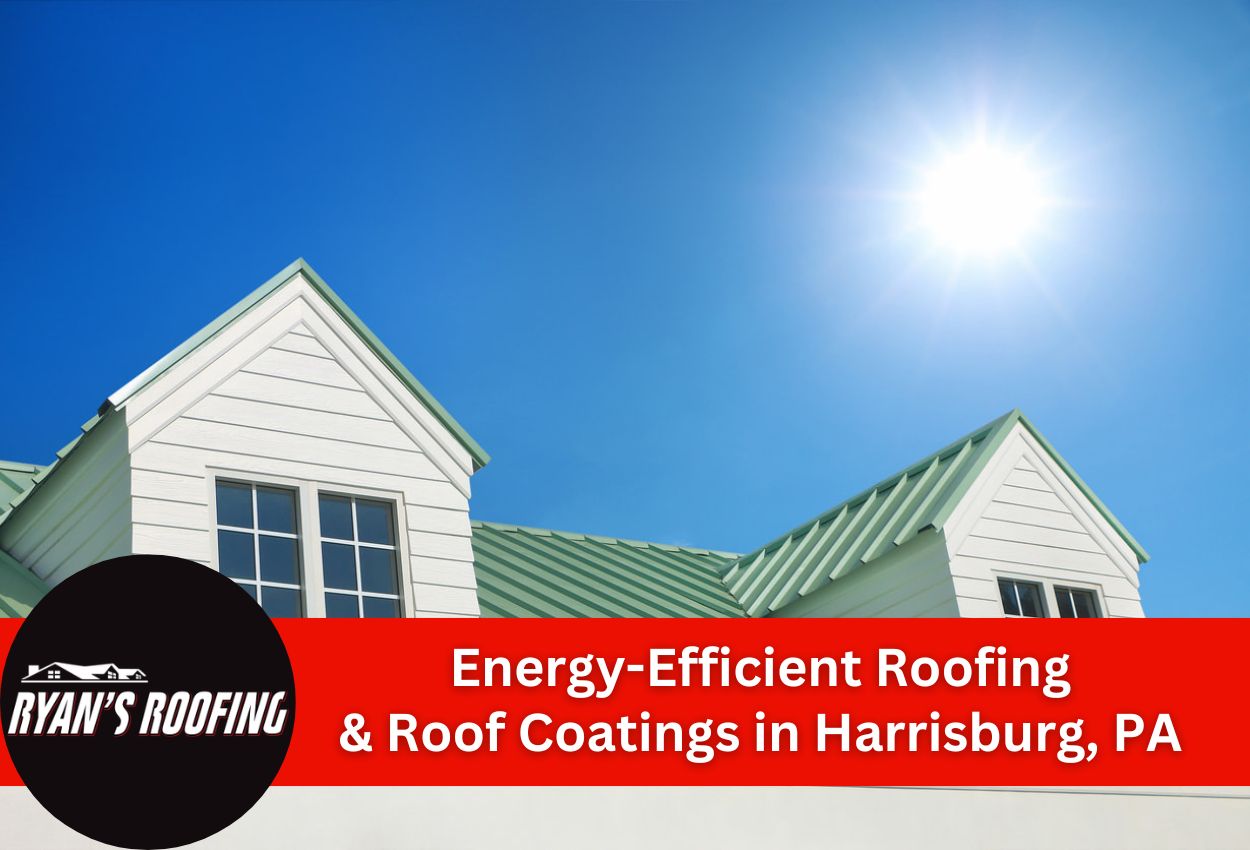
Metal roofing systems offer exceptional thermal benefits through their natural reflective properties and ability to shed heat quickly once temperatures drop. Cool roofing systems incorporating metal panels typically reduce heat absorption by 40% to 60% compared to conventional roofing materials. Advanced metal roofing features include specialized coatings that enhance reflectivity while maintaining durability against weather exposure and UV degradation.
Clay and concrete tile systems provide superior effectiveness in insulation through their dense composition and air gap design beneath individual tiles. This thermal mass effect moderates temperature swings throughout daily cycles, reducing HVAC system strain. When combined with proper underlayment and ventilation, tile roofs create a comprehensive thermal barrier that outperforms traditional materials in long-term energy performance and durability.
Cool Roof Technology and Reflective Systems
Cool roof coatings utilize advanced reflective technology that redirects solar radiation away from the roofing surface instead of allowing heat absorption into the home’s interior. These specialized coatings contain reflective particles that bounce infrared and ultraviolet light back into the atmosphere, effectively reducing the surface temperatures of some roofs by 50 to 80 degrees during peak sun exposure. The science behind reflective surfaces relies on Solar Reflectance Index ratings, which measure a material’s ability to reject solar heat compared to standard white and black surfaces.
Cool roofing systems work by increasing the albedo effect of existing roofing materials through elastomeric or acrylic-based coatings that maintain flexibility while providing superior thermal performance. These reflective treatments create a barrier that prevents heat transfer through the roof, reducing the thermal load on cooling systems and improving overall energy efficiency throughout hot weather.
Determining whether your roof would benefit from cool roof treatments depends primarily on the current roof’s color, material composition, and daily sun exposure patterns. Dark-colored roofs benefit most significantly from reflective coatings, while south-facing slopes with minimal shade provide optimal conditions for maximum energy savings through cool roof technology implementation.
Identifying and Addressing Thermal Performance Issues
Thermal performance problems typically develop at specific vulnerable points where the roof connects with other building components or accommodates necessary penetrations. Roof penetrations for plumbing vents, electrical conduits, and HVAC equipment create natural weak spots in the thermal envelope that often lack proper sealing or insulation continuity. These areas allow significant heat transfer that compromises overall roof energy efficiency even when surrounding insulation performs adequately.
Eaves present another critical challenge where exterior walls meet the roofing structure, creating natural pathways for air infiltration and thermal bridging. The transition zone between wall insulation and roof insulation frequently contains gaps that allow conditioned air to escape while drawing outside air into living spaces. Poor installation around eaves can reduce roof insulation effectiveness by creating convective loops that circulate air through insulation materials, dramatically reducing their thermal resistance.
Ventilation systems require a careful balance to maintain optimal roof thermal performance throughout changing seasons. Improperly sized or positioned vents can create negative pressure that draws conditioned air through ceiling penetrations, while inadequate ventilation allows moisture buildup that degrades insulation materials. Ridge vents, soffit vents, and powered exhaust systems must work together to create controlled airflow that removes excess heat and humidity without disrupting the thermal boundary between conditioned and unconditioned spaces.
Making Informed Decisions About Energy Improvements for Roofing Systems
After completing a comprehensive assessment of roof thermal performance, property owners must evaluate findings to determine which improvements deliver the greatest impact on energy efficiency and utility expenses. Prioritizing upgrades requires carefully analyzing current deficiencies, potential energy savings, and long-term performance benefits that each improvement offers to the home’s overall thermal envelope.
The most effective approach begins with addressing gaps that allow for air leaks before upgrading insulation materials, as even the highest-performance insulation cannot compensate for significant air leaks throughout the roof. Cool roofing systems and energy-efficient roofing materials provide substantial benefits when the underlying thermal envelope performs adequately, but these improvements become less effective when fundamental air sealing and insulation problems remain unaddressed.
Working with qualified roofing contractors ensures that energy efficiency upgrades integrate properly with existing roofing systems and building components. Experienced professionals understand how different improvements interact and can recommend combinations that maximize roof energy efficiency while avoiding potential moisture problems or ventilation issues that sometimes result from incomplete or improperly planned retrofit projects.
Successful energy improvement projects require contractors who understand both roofing systems and the principles of building science, ensuring that any upgrades made to thermal performance enhance home comfort while providing measurable reductions in heating and cooling expenses throughout every season.
Maximize Your Home’s Energy Efficiency with Ryan’s Roofing LLC
Don’t let outdated or insufficient roofing materials undermine your home’s energy efficiency. Upgrade to modern, energy-efficient roofing materials with Ryan’s Roofing LLC and see significant improvements in thermal performance and savings on your utility bills. Whether it’s installing reflective shingles or integrating cool roof technology, we have the expertise to ensure your roofing system contributes to a more comfortable, cost-effective home.
Take the first step towards a more energy-efficient home today. Call Ryan’s Roofing LLC at (717) 608-1587 and schedule your professional roof energy audit.