


 GET FREE ROOF ESTIMATE

Your home’s siding works around the clock to protect your family and belongings from harsh weather, moisture, and temperature changes. When siding begins to fail, it sends clear warning signals that shouldn’t be ignored. Recognizing these signs that you need to replace your siding early can prevent expensive damage to your home’s structure and interior.
Many homeowners miss the subtle indicators that their exterior siding problems are developing into serious issues. Cracked panels, warping boards, and persistent moisture damage are just a few siding replacement indicators that demand immediate attention. Deciding when to replace home siding becomes a critical question as these problems get worse over time.
Ignoring old siding warning signs can lead to devastating consequences for your property. Leaks through damaged siding reach your home’s insulation, causing it to lose effectiveness and drive up energy bills. Interior walls can develop mold, rot, and structural weakness when exterior protection fails. The decision between damaged siding repair and replacement often becomes clear once you understand the full scope of potential damage.
Visible Cracks and Gaps That Signal Trouble
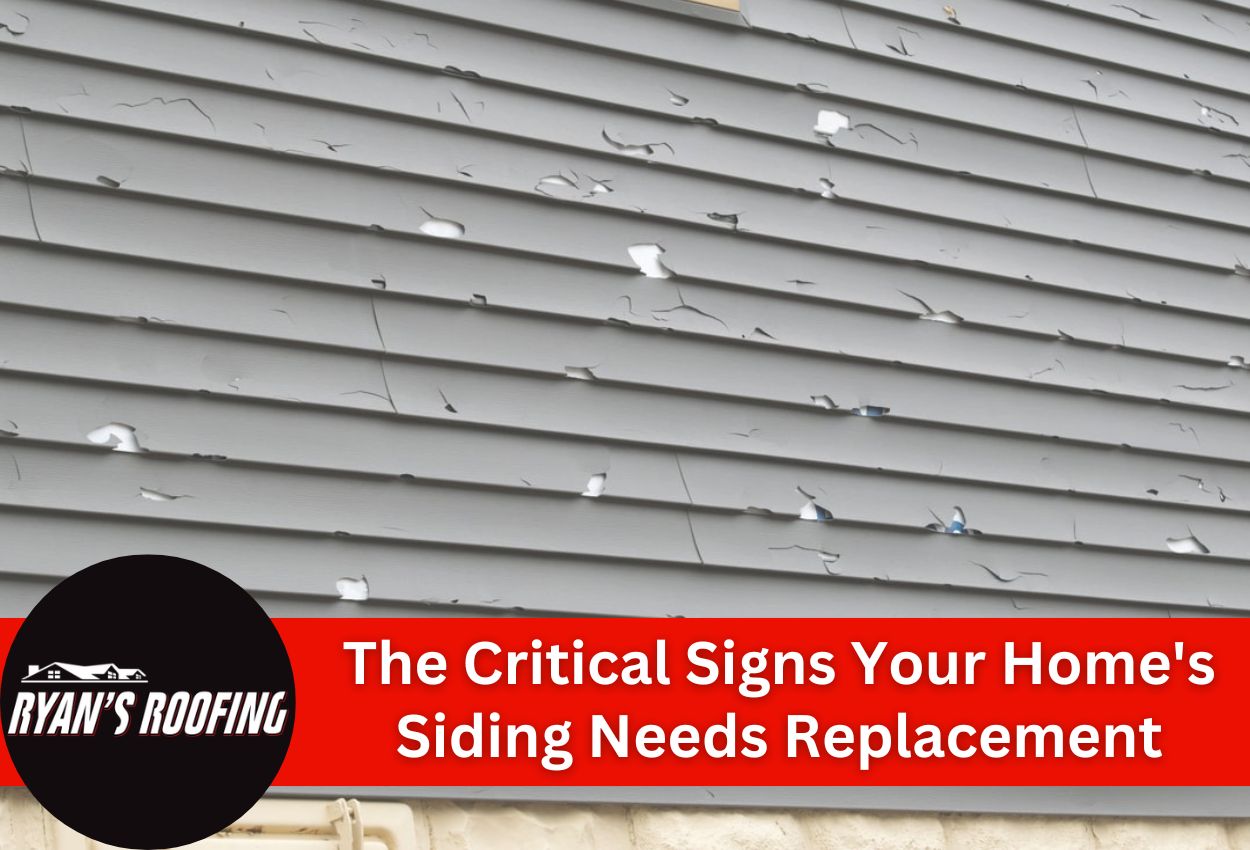
Cracks in siding materials appear in various forms, each indicating different levels of damage severity. Hairline cracks in vinyl siding often result from normal expansion and contraction, but can get worse with Pennsylvania’s harsh winter freeze-thaw cycles. These minor cracks typically require simple repairs with caulk or sealant. However, larger cracks that span multiple panels or show signs of spreading are clear indicators of siding replacement and require immediate professional attention.
Wood siding develops different crack patterns than vinyl or fiber-cement materials. Horizontal cracks along the grain may indicate moisture damage, while vertical splits suggest structural movement or improper installation. When these old siding warning signs multiply across your home’s exterior, replacement becomes necessary to prevent extensive leaks.
Gaps between siding panels create direct pathways for moisture and pests to enter your home’s structure. Even small openings allow water to seep behind the siding, saturating insulation and promoting mold growth within wall cavities. Insects and small rodents use these gaps as entry points, creating additional damage and health concerns.
Determining when to replace home siding or pursue repairs depends on the extent and location of cracks and gaps. Multiple damaged areas or cracks near windows and doors indicate exterior siding problems that require full replacement to restore proper protection.
Warping and Buckling That Won’t Go Away
Siding that pulls away from your house or displays a wavy appearance reveals serious installation problems or material failure that cannot be ignored. This warping occurs when siding materials expand and contract beyond their normal limits, creating permanent deformation that compromises your home’s protective barrier. Temperature fluctuations cause materials to move, but properly installed siding should return to its original position once conditions stabilize.
Persistent warping indicates these exterior siding problems have progressed beyond simple weather-related movement. Moisture infiltration behind the siding creates trapped humidity that prevents materials from drying properly between weather cycles. This constant moisture exposure weakens the siding’s structural integrity and causes irreversible buckling that gets worse over time.
Buckled siding creates gaps and raised sections that allow water to get directly into your home’s wall system. These damaged areas act as collection points for debris and standing water, accelerating deterioration of both the siding and underlying structure. When siding no longer lies flat against your home’s exterior, it fails to provide adequate protection against wind-driven rain and snow.
The decision between damaged siding repair or replacement becomes clear when warping affects multiple panels or entire sections. These old siding warning signs indicate that underlying moisture problems or installation defects require solutions. Addressing warped siding promptly prevents extensive structural damage that could compromise your home’s weather protection and energy efficiency.
Color Changes and Severe Fading Beyond Normal Wear
Dramatic color changes in your home’s siding reveal deterioration that goes far beyond typical weathering. While all exterior materials experience gradual fading from sun exposure, severe color loss indicates the protective coating has broken down completely. When siding loses its original pigmentation in patches or develops an overall washed-out appearance, the material underneath becomes vulnerable to moisture and structural damage.
Chalky residue that rubs off on your hands when touching the siding surface signals that the protective layer has experienced advanced deterioration. This powdery substance appears when ultraviolet rays break down the binding agents that hold the siding material together. Once this protective barrier fails, water can get directly into the siding core, causing swelling, rot, and complete material failure.
Normal weathering produces uniform, gradual changes across your home’s exterior over many years. However, these siding replacement indicators include dramatic color variations between protected and exposed areas, creating an uneven patchwork appearance. Sections under eaves or behind vegetation that remain vibrant while exposed areas appear severely faded demonstrate how extensive the damage has become.
When exterior siding problems include significant color loss and chalky deterioration, replacement becomes necessary to restore proper protection. These warning signs indicate the material has lost its ability to repel moisture effectively, making your home vulnerable to serious water damage and structural issues that extend far beyond cosmetic concerns.
Moisture Problems and Mold Growth Around Your Home
Leaks through failing siding create unmistakable signs that homeowners can identify with careful observation. Dark stains running down exterior walls indicate water is getting behind the siding and finding its way out through seams and joints. These water marks often appear after heavy rainfall or snow melts, revealing the path moisture takes as it bypasses your home’s protective barrier.
Soft spots along the siding surface signal advanced moisture damage that has compromised the material’s structural integrity. When pressed gently, these areas feel spongy or give way under light pressure, indicating the siding core has absorbed excessive water. Wood siding develops this softness as moisture causes the fiber to break down, while other materials may show similar weakness when their protective barriers fail.
Persistent dampness around your home’s foundation or lower siding sections creates ideal conditions for mold and mildew development. These dark, fuzzy growths appear first in corners and shaded areas where air circulation is limited. Black or green patches spreading across siding surfaces indicate serious moisture problems that extend beyond the exterior into your home’s wall system.
Mold growth behind siding poses significant health risks to your family while indicating moisture infiltration. Spores from hidden mold colonies can enter your home through gaps and cracks, triggering allergic reactions and respiratory problems. When these exterior siding problems include visible mold or persistent musty odors near exterior walls, immediate replacement becomes essential to protect both your home’s structure and your family’s health.
Rising Energy Bills and Indoor Temperature Issues
When siding begins to fail, one of the most noticeable impacts appears in monthly utility bills that steadily climb without explanation. Compromised siding allows air infiltration through cracks, gaps, and loose panels, forcing heating and cooling systems to work harder throughout the year. This increased energy consumption directly results from your home’s inability to maintain consistent indoor temperatures due to exterior siding problems that compromise the building.
Failed siding creates thermal bridges that bypass the effectiveness of your insulation, allowing conditioned air to escape while permitting outside air to enter freely. During summer, cool air leaks out while hot, humid air infiltrates the home, causing air conditioning systems to cycle more frequently. Winter heating bills increase dramatically when warm interior air escapes through siding defects, requiring furnaces to operate continuously to maintain comfortable temperatures.
Drafty rooms with uneven temperatures throughout your home indicate serious siding performance issues that extend beyond surface damage. Cold spots near exterior walls, inconsistent heating between rooms, and difficulty maintaining thermostat settings all point to compromised exterior protection. These old siding warning signs become more apparent during extreme weather when temperature differences between indoor and outdoor environments are greatest.
Understanding when to replace home siding becomes critical when energy efficiency suffers significantly. Multiple rooms experiencing temperature control problems suggest siding replacement, indicators that require professional evaluation to restore your home’s thermal performance and reduce ongoing energy costs.
Age and Material Lifespan Considerations
Understanding the expected lifespan of different siding materials helps homeowners make informed decisions about when to replace home siding before expensive problems develop. Vinyl siding typically lasts 20 to 40 years, while wood siding may require replacement after 15 to 30 years, depending on maintenance quality. Fiber-cement siding offers extended durability with lifespans reaching 50 years, though aluminum siding generally needs replacement within 25 to 40 years of installation.
As siding approaches the end of its expected lifespan, maintenance costs often escalate dramatically while effectiveness diminishes. Older materials become increasingly susceptible to damage from weather events, requiring frequent repairs that accumulate significant expenses over time. When repair costs exceed 30% of replacement value, these siding replacement indicators suggest that full replacement provides better long-term value than continued maintenance efforts.
Modern siding technology offers substantial improvements over materials installed 20 or more years ago. Contemporary products feature enhanced moisture resistance, improved insulation properties, and advanced UV protection that extends material life significantly. Energy-efficient siding options available today can reduce heating and cooling costs while providing superior weather protection compared to aging exterior materials.
Recognizing these old siding warning signs related to material age empowers homeowners to plan proactively for replacement rather than react to emergency repairs. Investing in advanced siding technology before complete failure occurs protects your home’s structural integrity while maximizing long-term property value and energy efficiency benefits that older materials cannot provide.
Protect Your Home with Ryan’s Roofing LLC
If you’ve noticed any of the signs mentioned above, such as cracks, gaps, warping, or severe fading on your siding, it’s crucial to take action immediately to protect your home from further damage. Ignoring these warning signs can lead to severe structural issues and expensive repairs. Don’t let damaged siding compromise your home’s integrity and energy efficiency.
Ryan’s Roofing LLC is your trusted partner in ensuring your home’s siding is in top condition. Our expert team can assess your siding’s condition and recommend the best course of action, whether it’s a repair or a complete replacement. Don’t wait until it’s too late!
Call us today at (717) 608-1587 to schedule a consultation and ensure your home remains safe and comfortable. Let us take care of your siding needs so you can enjoy peace of mind knowing your home is protected.