


 GET FREE ROOF ESTIMATE

Most siding projects in Harrisburg start with a problem, not a style choice. Dauphin County’s housing stock leans heavily toward pre-1980 construction, so the majority of local jobs involve stripping out rotted wood, degraded aluminum, or failing original clapboard before any design decisions are even made. That changes how homeowners should think about this process. Material performance has to come first.
The four design directions showing up most in 2026 Harrisburg exteriors are modern farmhouse, two-tone mixed-material facades, board-and-batten accents, and dark trim contrasts. Of those, fiber-cement systems with sealed lap profiles and dark matte trim hold up best against Pennsylvania’s 40 to 45 inches of annual precipitation and repeated temperature changes through the winter months.
This guide covers trending styles, how each material performs in central Pennsylvania’s climate, cost comparisons, and the best time of year to schedule the work, built for homeowners who are currently researching options or preparing to request quotes.
Which Siding Colors and Styles Are Trending for Harrisburg, PA Homes in 2026?
The five siding design trends showing up most on Harrisburg homes in 2026 are deep charcoal lap siding, warm greige board-and-batten, two-tone facades, mixed vertical-horizontal compositions, and stone veneer lower accents, and fiber cement outperforms vinyl on most of them due to Pennsylvania’s climate demands.
- Deep charcoal and slate gray horizontal lap: This look works well on Harrisburg colonials and rowhouses where long, unbroken wall planes benefit from a strong horizontal line. On these darker palettes, avoid standard vinyl summer highs of 85 degrees to 88 degrees, which push vinyl toward higher thermal expansion rates, which can cause warping or joint gaps over time.
- Warm greige board-and-batten: Greige tones, a blend of gray and beige, pair well with the brick accents and painted wood trim common on older Dauphin County homes. Board-and-batten in this palette reads as updated without clashing with traditional rooflines or masonry.
- Two-tone facades with dark trim: Pairing a light siding body with black or dark bronze trim is the most widely requested combination in 2026. This approach works on nearly every Harrisburg home type, Cape Cods, split-levels, and Rowhomes, all of which carry the contrast well without requiring a full design overhaul.
- Mixed vertical-horizontal compositions: Adding vertical board-and-batten panels to the gable ends of a Cape Cod or split-level creates visual contrast against the horizontal lap on the main facade without re-siding the entire structure. This is one of the most cost-effective design updates available.
- Stone veneer lower accents: Applied to the base courses or porch columns, stone veneer accents are common on postwar suburban homes in the Harrisburg area and add visual weight to otherwise flat facades.
For darker color choices, fiber cement or engineered wood is the recommended material. Premium vinyl products rated for darker colors typically carry a color shift warranty threshold, but even those products expand and contract more than fiber cement under Pennsylvania’s temperature swings.
Vinyl vs. Fiber Cement vs. Engineered Wood: Which Siding Material Holds Up Best in Pennsylvania’s Climate?
Fiber cement costs more upfront than vinyl but lasts 10 to 20 years longer, making it the stronger value for most Harrisburg homes facing 40 to 45 inches of annual precipitation and repeated winter temperature changes.
| Category | Vinyl | Fiber Cement | Engineered Wood |
|---|---|---|---|
| Installed Cost per Sq Ft | $7 to $18 | $6 to $13 | $5 to $10 |
| Expected Lifespan | 20 to 40 years | 30 to 50 years | 20 to 30 years |
| Temperature Change Performance | Fair | Excellent | Good |
| Moisture Resistance | Good | Excellent | Fair to Good |
| Paintability / Color Retention | Poor (factory color only) | Excellent (repaintable) | Good (repaintable) |
| Typical Manufacturer Warranty | 25 to 50 years | 15 to 30 years | 15 to 30 years |
Fiber cement is the most commonly specified material for Harrisburg’s older wood-frame homes because it handles moisture exposure and winter temperature stress without warping, and it can be painted to match the historic or traditional exteriors common throughout Dauphin County neighborhoods. One practical note for Harrisburg rowhouses: narrow side-yard access limits equipment use, which can increase fiber cement labor costs by 10% to 20% on attached or semi-detached homes compared to open-lot single-family installs. For homeowners weighing long-term value, fiber cement’s 30 to 50 year lifespan against its $6 to $13 per square foot installed cost makes it the most defensible choice in central Pennsylvania’s climate.
What Siding Upgrades Give Older Harrisburg Homes the Most Curb Appeal in 2026?
Three targeted upgrades replacing deteriorated wood trim with primed fiber-cement trim boards, adding board-and-batten or shake-style accent panels to gable ends or porch columns, and installing a contrasting dark-color lap section on a lower-story bump-out or garage facade deliver the most visible exterior refresh on Harrisburg’s pre-1960 colonials, cape cods, and brick rowhouses without a full whole-house re-side. Accent panel upgrades covering 15% to 25% of a facade can deliver a noticeable exterior refresh at roughly 30% to 50% of the cost of a full re-side on a 1,500 sq ft home. That math makes partial upgrades the most practical starting point for older Dauphin County homes on a set budget.
- Primed fiber-cement trim boards: Replacing rotted wood fascia boards and trim with primed fiber-cement boards stops leaks at one of the most vulnerable points on older homes. Fiber cement holds paint longer and resists the repeated wet-dry cycles common in central Pennsylvania’s 40 to 45 inches of annual precipitation.
- Board-and-batten or shake-style accent panels: Applied to gable ends or porch columns, these panels add visual depth to otherwise flat facades without touching the main wall surface. This approach works especially well on Cape Cods and Colonials, where the gable end is a natural focal point.
- Contrasting dark-colored lap siding on bump-outs or garage facades: A darker lap section on a lower-story addition or detached garage creates a two-tone effect that reads as intentional and modern, not piecemeal.
One warning for older Harrisburg homes with existing aluminum or original vinyl siding: rot beneath the panels is common and often goes undetected until panels come off. A professional inspection before re-siding is strongly recommended. Repairs and remediations typically add $500 to $2,500+ to the project cost, depending on the extent of the damage.
What Is Low-Maintenance Siding for Pennsylvania’s Climate, and How Do Options Compare?
Low-maintenance siding in Pennsylvania means no repainting for at least 15 years, no seasonal sealing, and joint maintenance intervals of 5 to 10 years, not zero upkeep, but a predictable schedule that doesn’t demand attention every spring or fall.
- Premium insulated vinyl lowest ongoing effort: Wash annually with a garden hose, recheck caulk every 7 to 10 years, and expect no repainting ever. With an expected lifespan of 20 to 40 years and installed costs of $4 to $12 per square foot, it has the lowest maintenance burden of the three options, but it performs best in lighter colors where thermal expansion is less of a concern.
- Pre-finished fiber cement best long-term value: Repainting is required every 12 to 17 years, depending on color depth and sun exposure, with joint inspections every 5 years. At $6 to $13 per square foot installed and a 30 to 50 year lifespan, fiber cement handles Harrisburg’s wet shoulder seasons and winter temperature changes better than any other option in this category.
- Engineered wood with factory finish middle ground: Expect repainting every 8 to 12 years and moisture checks at trim interfaces every 3 to 5 years. Installed costs run $5 to $10 per square foot, with a lifespan of 20 to 30 years, solid performance, but it needs more attention at gaps and seams than the other two options.
All three materials depend on proper flashing, vapor management, and drainage to reach their rated performance in Harrisburg’s high-humidity summers and wet spring and fall seasons. Installation quality, not just material choice, accounts for a large share of long-term maintenance outcomes, which makes choosing an experienced local contractor as important as picking the right product.
How Much Does a Siding Project Cost in Harrisburg, and What’s the Return on Investment?
Fiber-cement siding replacement returns approximately 76% to 80% of project cost at resale in the Mid-Atlantic region, compared to approximately 80% to 97% for vinyl, making material choice a direct factor in how much value a Harrisburg homeowner recovers.
| Material | Estimated Installed Cost (1,500 sq ft Home) | Estimated ROI at Resale |
|---|---|---|
| Vinyl | $4,500 to $10,500 | 80% to 97% |
| Fiber Cement | $9,000 to $19,500 | 76% to 80% |
| Engineered Wood | $7,500 to $15,000 | 70% to 76% (estimated Mid-Atlantic range) |
In Harrisburg’s resale market, updated siding that reflects 2026 design trends, such as two-tone compositions, board-and-batten accents, or dark trim, can improve days-on-market performance and asking price positioning, especially on pre-1980 homes where deteriorated or outdated siding is a common buyer objection. Fiber cement’s combination of a 76% to 80% resale return and a 30 to 50 year lifespan makes it the strongest investment for most Harrisburg homeowners, comparing materials side by side. Vinyl still offers a solid entry point at $4,500 to $10,500 installed, particularly for homes where budget is the primary driver.
Harrisburg contractors typically schedule exterior siding installs between April and October, with peak demand running from May through July. Homeowners who book in late winter, January through March, often have access to off-peak scheduling and, in some cases, shorter material lead times before the spring rush begins.
How Do You Choose the Right Siding Design for Your Harrisburg Home?
Follow this 5-step checklist to narrow your material, color, and contractor choices before committing to a siding project.
- Match material profile to your home’s architectural style: Horizontal lap siding suits colonials and ranches. Board-and-batten accents work well on Cape Cods and Craftsman styles. Getting this pairing right before pricing anything saves time and avoids expensive mid-project changes.
- Set a realistic budget using installed cost figures: Vinyl runs $4 to $12 per square foot installed, engineered wood runs $5 to $10, and fiber cement runs $6 to $13. On a 1,500 sq ft home, those figures translate to roughly $4,500 to $10,500 for vinyl and $9,000 to $19,500 for fiber cement.
- Assess the condition before choosing a material: If your home was built before 1980, schedule a pre-install inspection first. Repairs commonly add $500 to $2,500+ to the project cost when hidden rot is found after panels come off.
- Choose a color palette and confirm it works with your chosen material: Factory-finished fiber cement and engineered wood are both repaintable, so 2026 trending color combinations, dark trim, and two-tone lap are achievable. Vinyl is not repaintable, so factory color selection is permanent. Use the Design Studio to visualize color and material combinations on your home before committing.
- Get quotes from 2 to 3 local contractors during the winter or early spring planning window: Harrisburg contractors book heavily from May through July. Reaching out between January and March gives access to better scheduling and sometimes shorter material lead times.
One important note for older Harrisburg homes with brick or mixed-masonry exteriors: confirm that new siding attachment and flashing details are compatible with the existing wall assembly. Incompatible flashing details on masonry walls can void manufacturer warranties and create moisture management problems that are expensive to fix after installation is complete.
Ready to Upgrade Your Siding? Connect With a Harrisburg Siding Expert Today
Spring and summer project slots fill fast. Harrisburg contractors book heavily from May through July, and homeowners who reach out between January and March get first access to preferred installation windows and current material costs before the seasonal rush begins.
Ryan’s Roofing LLC serves Harrisburg and surrounding Dauphin County communities and can help you find the right siding material, color, and installation plan for your home’s style and budget. Whether you’re starting with accent panels or planning a full re-side, now is the right time to get on the schedule.
Get your free siding estimate.
Not ready to schedule? Learn more about siding installation and replacement.
Frequently Asked Questions
Got questions about your roof? We’ve got answers. From maintenance tips to insurance claims and repair timelines, our FAQ section covers the most common concerns homeowners have. Get informed and make confident decisions about protecting your home.
People Also Ask
Do Harrisburg homeowners need a permit to replace their siding?
In most cases, yes. Pennsylvania’s Uniform Construction Code requires a permit when siding replacement involves changes to structural sheathing, weather barriers, or exterior trim assemblies. Harrisburg homeowners should confirm permit requirements with the City of Harrisburg Bureau of Codes before work begins, as older homes often trigger additional review.
Can new siding be installed directly over existing aluminum or vinyl siding on older Harrisburg homes?
It’s technically possible but generally discouraged on pre-1980 Harrisburg homes, where hidden rot is common beneath existing panels. Installing over damaged sheathing traps moisture and voids most manufacturer warranties. A professional inspection of the wall assembly is strongly recommended before deciding on an overlay approach.
How does Harrisburg's historic neighborhood character affect siding design choices?
Homes in established Dauphin County neighborhoods often sit near properties with traditional brick fronts, painted wood cornices, and period window proportions, meaning aggressive contemporary siding profiles can look out of place. Choosing wider lap profiles, muted matte finishes, and trim details that echo existing cornice lines helps new siding read as complementary rather than jarring.
Related Articles
-
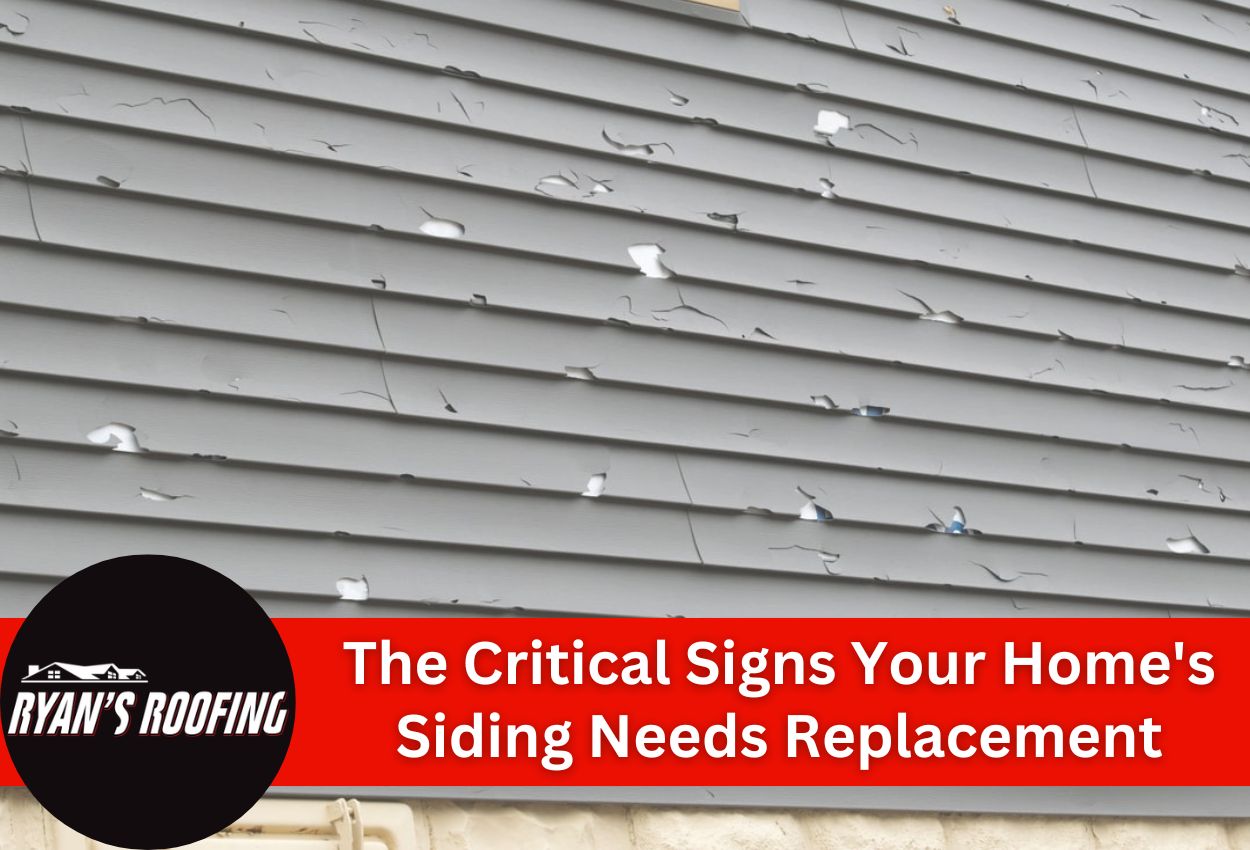 February 26, 2025Critical Signs Your Home’s Siding Needs ReplacementIs your siding failing? Spot the signs, protect your home, and improve energy efficiency.
 -
 August 18, 2025The Best Affordable Siding Replacement Options That Won’t Break the BankWant affordable siding replacement? Compare vinyl, aluminum, fiber cement, and wood options that balance cost and quality.
 -
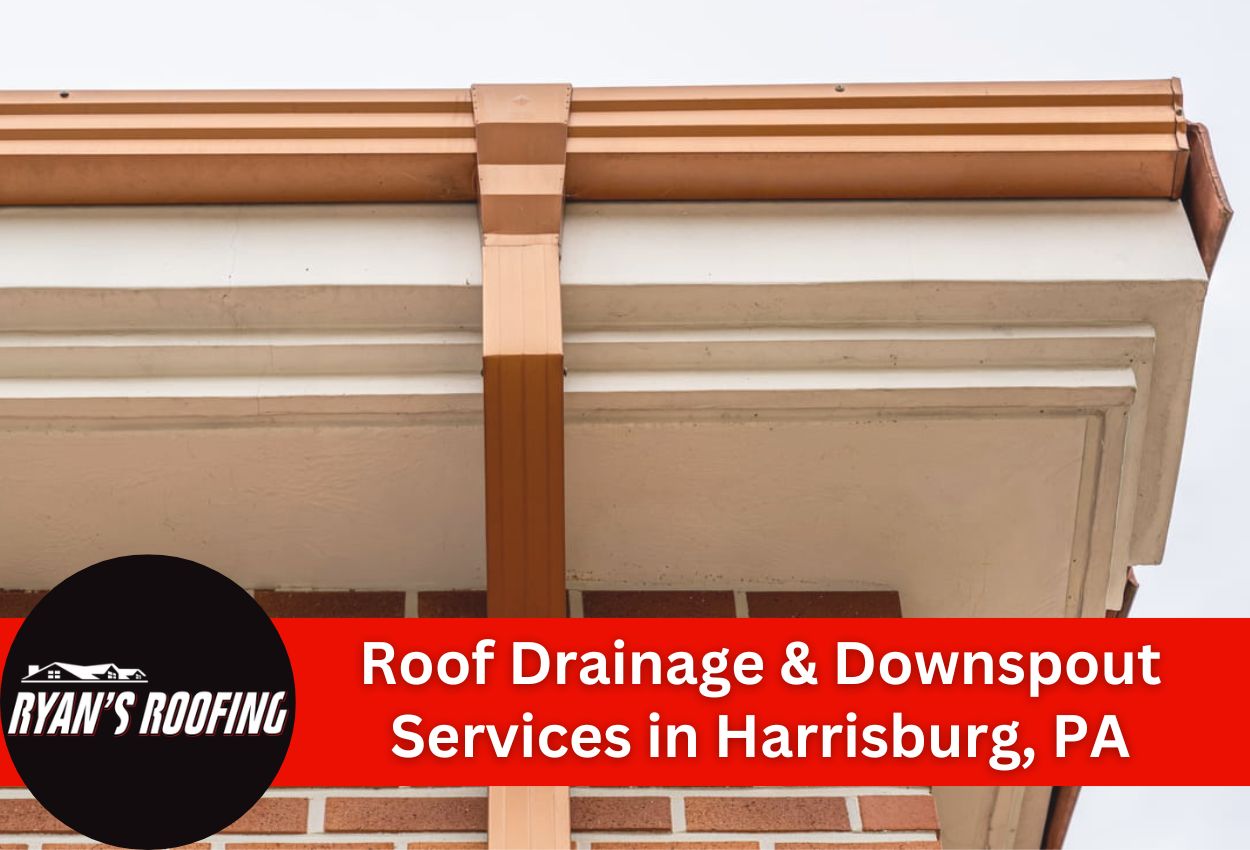 June 12, 2026What Are Roof Drainage and Downspout Services in Harrisburg, PA, and Do You Need Them?Water pooling near your foundation? Get expert roof drainage services in Harrisburg. Free inspection today.
Protect Your Home with Expert Roofing
Don’t wait for leaks or storm damage to cause costly repairs. Our experienced roofing team provides fast, reliable service, high-quality materials, and lasting results. Ensure your home stays safe, secure, and looking great—contact us today for a free estimate.