


 GET FREE ROOF ESTIMATE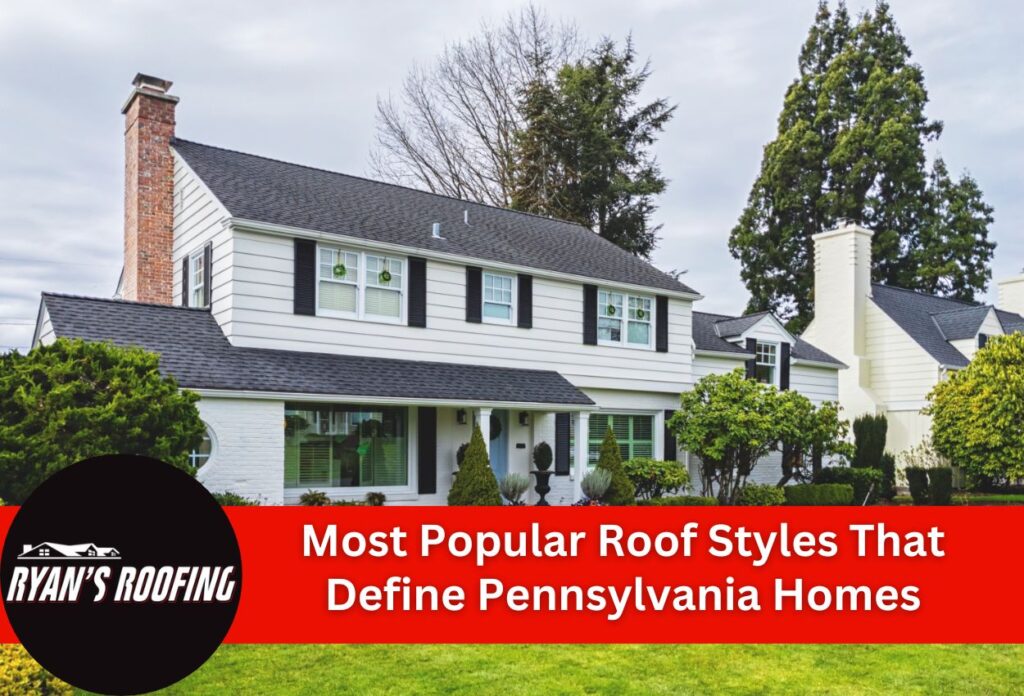
Key Points:
- Gable and hip roofs are popular roof styles for PA homeowners, excelling at snow/rain management and wind resistance.
- Material choice (asphalt, metal, slate) is crucial; consider PA’s climate and energy efficiency for durability and cost savings.
- Select a roof style by considering your home’s architecture, local appearance, and professional advice for lasting value.
Pennsylvania homeowners face unique roofing challenges that make certain roof styles clear favorites across the state. The state’s diverse climate, featuring heavy snowfall, ice storms, and summer heat, requires roofing solutions that can handle extreme weather while maintaining energy efficiency. Popular roof styles for PA homeowners have evolved to balance traditional Pennsylvania home architecture with modern performance requirements.
Gable roofs dominate residential neighborhoods throughout Pennsylvania due to their excellent snow-shedding capabilities and classic appearance that complements both Colonial and contemporary homes. Hip roofs have gained popularity for their superior wind resistance and energy-efficient design, making them ideal choices for Pennsylvania’s varied terrain. Gambrel and shed roof styles also serve specific architectural needs while providing practical benefits for the local climate.
The right roof style significantly impacts both curb appeal and home functionality. Pennsylvania roof design trends increasingly favor styles that offer superior insulation properties, efficient water drainage, and durability against freeze-thaw cycles. These residential roofing considerations help homeowners select styles that protect their investment while enhancing their property’s curb appeal and long-term value.
Gable Roofs Lead Pennsylvania’s Residential Landscape
Gable roofs represent the most widespread choice among popular roof styles for PA homeowners, appearing on many residential properties throughout the state. These triangular-shaped roofs excel at managing Pennsylvania’s challenging weather patterns, particularly heavy snow and frequent rainfall that characterize the region’s climate.
The steep pitch of gable roofs provides superior snow and rain management by allowing precipitation to slide off quickly rather than accumulating on the surface. This natural shedding capability prevents ice dam formation and reduces the risk of leaks, making gable roofs one of the best roof styles for Pennsylvania’s climate conditions. The design also has excellent attic ventilation, which helps regulate indoor temperatures and prevents moisture buildup.
Traditional Pennsylvania home architecture benefits from several gable roof variations that enhance both functionality and curb appeal. Cross-gabled designs work exceptionally well with Colonial and farmhouse styles, while front-facing gables complement Victorian and Cape Cod homes. Box gables offer clean lines perfect for contemporary designs, while Dutch gables add architectural interest to traditional structures. These versatile configurations allow homeowners to match their roof style with existing architectural elements while maintaining the practical benefits that make gable roofs Pennsylvania’s preferred residential roofing choice.
Hip Roofs Offer Superior Weather Protection
Hip roofs provide exceptional stability against Pennsylvania’s unpredictable weather conditions through their four-sided sloped design that distributes wind loads evenly across the entire structure. Unlike gable roofs that have large vertical surfaces that are pushed on by strong winds, hip roofs deflect air currents from all directions, making them particularly effective during severe storms and high winds common throughout the state. This aerodynamic advantage reduces uplift forces and helps prevent structural damage during extreme weather.
The inward slope of all four sides creates superior drainage patterns that efficiently channel water and melting snow toward gutters, minimizing the risk of ice dams and water accumulation. This design feature makes hip roofs among the best roof styles for Pennsylvania climate challenges, especially in areas experiencing frequent freeze-thaw cycles.
Modern Pennsylvania homeowners increasingly choose hip roofs for their clean, sophisticated appearance that complements both traditional and contemporary architectural styles. The uniform roofline creates balanced proportions that enhance curb appeal while providing additional living space in upper levels. Hip roof variations, including cross-hipped and pyramid designs, offer flexibility for different home layouts while maintaining the weather-resistant benefits that make this style increasingly popular among residential roofing options in Pennsylvania.
Colonial and Georgian Style Roofs
Colonial and Georgian roof styles hold deep historical significance in Pennsylvania architecture, representing the foundational design elements that shaped residential construction throughout the state. These traditional roofing approaches emerged during the 17th and 18th centuries when European settlers adapted their building techniques to Pennsylvania’s climate and available materials. The enduring popularity of these classic roof styles stems from their ability to withstand harsh winters while providing the steep pitches necessary for effective snow and water drainage.
Georgian rooflines, characterized by their symmetrical hip designs and moderate slopes, became synonymous with Pennsylvania’s Colonial homes and continue to influence modern residential roofing materials in Pennsylvania. Colonial gable roofs with their distinctive steep pitches and simple lines remain among the most requested designs for homeowners seeking to honor traditional Pennsylvania home architecture while meeting contemporary performance standards.
Modern adaptations of these heritage roof styles successfully integrate energy-efficient roofing options without compromising their classic appeal. Advanced materials like architectural shingles and metal roofing systems can replicate traditional slate and wood shake appearances while providing superior durability and insulation properties. Contemporary underlayments, improved flashing techniques, and enhanced ventilation systems allow these time-tested designs to meet current building codes and energy efficiency standards, ensuring Colonial and Georgian roof styles remain viable choices for today’s Pennsylvania homeowners.
Shed and Saltbox Roofs for Contemporary Appeal
Shed roofs have experienced remarkable growth among Pennsylvania homeowners embracing modern architectural statements while meeting practical roofing needs. This single-slope design creates a dramatic visual impact and allows for expansive windows that maximize natural light, particularly appealing to homeowners pursuing contemporary looks. The simple structure of shed roofs makes them cost-effective to construct and maintain, while their clean lines complement minimalist design trends increasingly popular in Pennsylvania’s urban and suburban communities.
Saltbox roofs offer distinct advantages for Pennsylvania’s regional conditions through their asymmetrical design, featuring a short front slope and extended rear slope. This configuration provides superior protection against prevailing winds while creating additional living space on the upper level. The extended rear slope effectively sheds snow and rain away from the home’s foundation, making saltbox designs particularly suitable for Pennsylvania’s variable weather patterns.
Both shed and saltbox roof styles complement Pennsylvania’s diverse housing by bridging traditional and modern design elements. These roof styles work exceptionally well with mixed-material exteriors and can incorporate energy-efficient features like solar panels more easily than complex rooflines. The versatility of these designs allows homeowners to achieve distinctive architectural character while maintaining the weather resistance essential for Pennsylvania’s climate.
Material Considerations That Impact Style Selection
Pennsylvania’s climate significantly influences material selection for different roofing styles, with temperature fluctuations, heavy snowfall, and humid summers creating specific performance requirements. Asphalt shingles remain the most popular choice for gable and hip roofs due to their affordability and reliable performance in Pennsylvania’s freeze-thaw cycles. Metal roofing systems excel on shed and saltbox designs, offering superior snow shedding and longevity that justifies a higher initial investment for many homeowners.
Slate materials traditionally paired with Colonial roof styles provide exceptional durability against Pennsylvania’s harsh weather conditions, though weight considerations require proper structural support. Modern residential roofing materials in Pennsylvania now include synthetic slate alternatives that deliver similar appearances with reduced weight and maintenance requirements.
Cool roofing materials help reduce summer cooling costs, while proper insulation integration varies significantly between roof styles. Hip roofs naturally accommodate thicker insulation layers, while shed roofs allow for continuous insulation planes that eliminate thermal bridging. Metal roofing paired with reflective coatings offers excellent energy performance across all popular roof styles, while architectural shingles with enhanced granule technology provide improved solar reflectance for traditional designs seeking energy-efficient roofing options without sacrificing curb appeal.
Choosing the Right Roof Style for Your Pennsylvania Home
Selecting the appropriate roof style requires a look at multiple factors that significantly impact both performance and looks for Pennsylvania homeowners. Home architecture serves as the primary consideration, as certain roof styles naturally complement specific architectural periods and design elements. Colonial homes benefit from traditional gable or hip configurations, while contemporary structures can accommodate shed or modern variations that enhance their clean lines and geometric forms.
Neighborhood appearance plays an important role in the selection of roof style, as homeowners typically want their choice to harmonize with surrounding properties while maintaining individual character. Local building requirements and homeowner association guidelines may restrict certain roof styles or require specific materials, making early research essential before committing to any design direction. Climate considerations remain important for Pennsylvania properties, where popular roof styles need to withstand heavy snow, ice formation, and seasonal temperature variations.
Professional consultation provides valuable guidance throughout the selection process, particularly when balancing appearance preferences with practical performance requirements. Experienced roofing contractors understand how different styles interact with Pennsylvania’s climate challenges and can recommend the best roof styles for Pennsylvania climate conditions based on specific property characteristics. Local roofing professionals offer expertise in regional building codes, permit requirements, and material availability that helps homeowners make informed decisions aligned with their budget and long-term goals for their residential roofing investment.
Discover Popular Roof Styles for PA Homeowners with Ryan’s Roofing LLC
Whether you are considering the classic appeal of gable and hip roofs or exploring more modern designs like shed and saltbox roofs, Ryan’s Roofing LLC can guide you through the best choices that enhance both the curb appeal and durability of your home.
Ready to transform your home with a roof style that stands out in Pennsylvania? Call us today at (717) 608-1587 to schedule a consultation and learn more about how we can help you select the perfect roof for your home.