


 GET FREE ROOF ESTIMATE
 Gutter Downspout Extension Installation: Protect Your Home’s Foundation
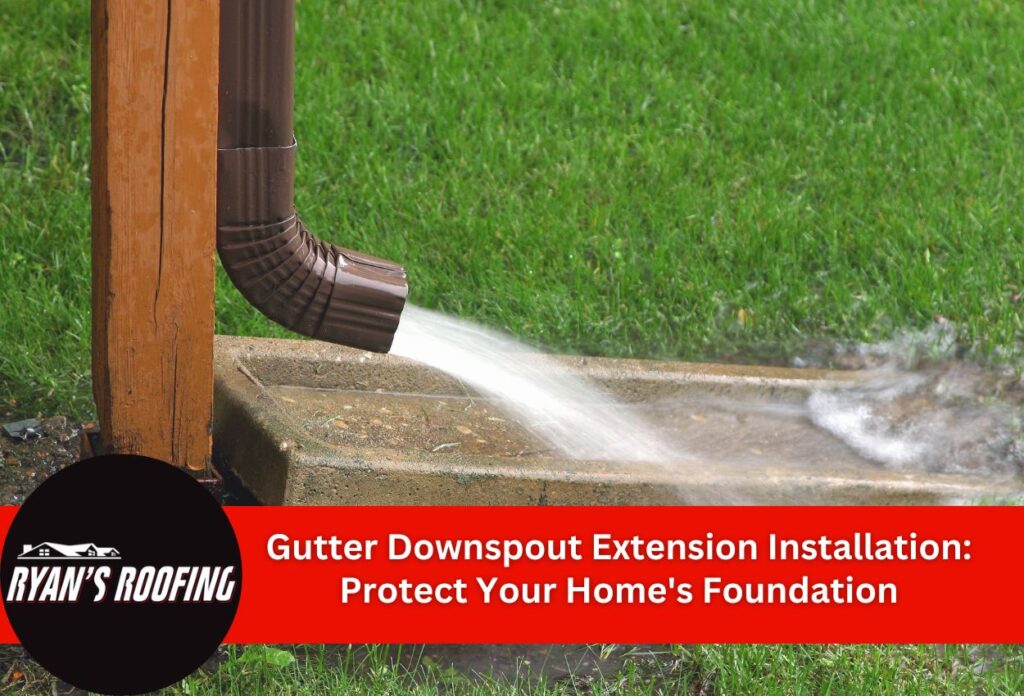

Water damage to your home’s foundation ranks among the most costly repairs Harrisburg homeowners face, yet it’s often preventable with proper gutter downspout extension installation. When rainwater isn’t directed away from your home’s foundation, it can lead to basement flooding, foundation cracks, landscape erosion, and even structural instability over time.
This resource covers what’s needed for successful gutter downspout extension installation from selecting the right materials, to understanding different extension types, to step-by-step installation techniques. Whether it’s recurring puddles near your foundation, noticing early signs of water damage, or simply being proactive about protecting your Harrisburg home, proper downspout management represents one of the most cost-effective ways to prevent serious structural problems.
Understanding the differences between DIY solutions and professional installation helps homeowners make informed decisions based on their specific situation, skill level, and budget considerations.
Understanding Why Proper Gutter Drainage is So Important
Pennsylvania’s climate, with its heavy seasonal rainfall and winter snow melt, makes proper gutter drainage essential for homeowners. When downspouts are too short, they deposit water directly against your foundation, creating a cascade of potential problems. This concentrated water can erode soil around your foundation, create hydrostatic pressure against basement walls, and eventually infiltrate your basement, causing flooding, mold growth, and structural damage.
Landscape erosion is another common consequence of inadequate downspout length. Without proper extensions, water creates channels through your yard, washing away topsoil, damaging plantings, and potentially undermining walkways or patios. These issues become particularly problematic during Pennsylvania’s freeze-thaw cycles, which can accelerate foundation damage.
Properly extended downspouts redirect this damaging water safely away from your home’s foundation. By carrying water 5 to 10 feet away from your house, extensions significantly reduce the risk of basement water intrusion and foundation deterioration. This simple preventative measure protects your home investment and helps avoid expensive repairs that often run into thousands of dollars.
Professional gutter downspout extension installation ensures water is directed to appropriate drainage areas on your property. With proper placement and secure connections, extended downspouts provide reliable protection against water damage year-round, preserving both your home’s structural integrity and your yard’s landscaping.
Selecting the Right Downspout Extension for Your Home
Choosing the appropriate downspout extension for your home involves understanding the different types available and how they match your specific drainage needs. Each option offers distinct advantages depending on your property’s layout, aesthetic preferences, and local weather conditions.
Roll-out extensions are popular for their flexibility during lawn maintenance. These extensions unfurl during rainfall and retract when dry, making mowing around them simple. Hinged extensions offer a similar convenience but with more durability, allowing you to flip them up when maintaining your yard. Flexible extensions provide versatility for navigating around landscaping features or unusual terrain but may require replacement more frequently due to potential damage from UV exposure or freezing temperatures common in Pennsylvania winters.
For a permanent, invisible solution, buried downspout extensions (also known as underground drainage systems) send water through pipes below ground away from your foundation. While these require more for the initial installation, they offer great curb appeal and eliminate trip hazards around your home.
To determine the ideal extension length for your home, measure the distance from your downspout to the point where water can safely drain without returning to your foundation. For most properties, extensions should reach 5 to 10 feet from the foundation, but homes on slopes or with clay soils may require longer extensions to prevent water from flowing back toward the structure.
Consider your property’s specific drainage patterns, especially during heavy rainstorms, to ensure your selected extensions will effectively protect your foundation from water damage throughout all seasons.
Step-by-Step Downspout Extension Installation Process
Installing downspout extensions properly requires careful planning to ensure effective water diversion from your home’s foundation. Whether you’re a homeowner tackling this as a weekend project or preparing to work with a professional, understanding the process helps ensure lasting results that protect your property.
Begin by gathering necessary tools including a tape measure, hacksaw, drill with metal bits, screwdriver, level, and safety gloves. For materials, you’ll need the extension pieces, self-tapping sheet metal screws, and potentially splash blocks for the drain end. Before installation, clear the work area of any obstacles and inspect existing downspouts for clogs or damage that should be addressed first.
- When attaching the extension, measure and mark where you’ll connect it to the existing downspout, typically cutting about 6 to 8 inches above ground level.
- Make a clean, straight cut with a hacksaw.
- Connect the extension using sheet metal screws, ensuring a snug fit that prevents leakage.
- Seal connections with waterproof caulk for added protection against water seepage.
Proper slope is critical for effective drainage; aim for at least a ¼-inch drop for every foot of extension to prevent water from pooling. Test your installation by running water through the gutter system and observing flow patterns. The water should exit at least 5 feet from your foundation, ideally toward a surface where it can safely be absorbed without causing erosion or flowing back toward your home.
Addressing Common Downspout Extension Challenges
Harrisburg homeowners often encounter obstacles when installing downspout extensions that can complicate water management. Walkways, driveways, and landscaping features frequently interrupt the ideal drainage path, requiring creative solutions to maintain proper water diversion. For driveways, a recessed channel drain can be installed to safely guide water across the pavement without creating a trip hazard.
Pennsylvania’s seasonal challenges demand special consideration for downspout extension planning. During winter, extensions can fill with ice when temperatures fluctuate between freezing and thawing, potentially causing backups or damage. Consider installing extensions that can be easily disconnected during winter weather or using heated cables in problem areas. Fall brings another regional challenge as trees shed leaves that can clog extensions. Installing simple leaf guards or screens at connection points helps prevent blockages.
Enhancing Your Downspout System with Additional Drainage Solutions
While properly installed downspout extensions provide essential protection for your home’s foundation, integrating complementary drainage solutions creates a comprehensive water management system. For homeowners dealing with significant rainfall or properties with challenging drainage conditions, these additional options work alongside your extensions to maximize protection.
Rain barrels offer an eco-friendly solution by capturing downspout runoff for later use in gardens and lawns. These systems connect directly to your downspouts and store water during heavy rains, reducing the volume reaching your foundation while providing free irrigation water. For properties where water accumulation remains problematic despite extensions, dry wells provide underground reservoirs that collect and gradually disperse water into surrounding soil, preventing pooling near your home.
French drains work excellently with extended downspouts for properties with persistent drainage issues. These gravel-filled trenches with perforated pipes capture water from downspout discharge points and channel it safely away from your foundation, particularly valuable for Harrisburg homes with clay soil that doesn’t readily absorb water.
Strategic landscaping enhances your drainage system’s effectiveness. Consider creating rain gardens at downspout discharge points using native plants that thrive in wet conditions while absorbing excess moisture. Proper grading away from your foundation (at least 1 inch per foot for 5 to 10 feet) ensures water continues moving away from your home even during heavy downpours, preventing the foundation damage that compromises your home’s structural integrity.
Maintenance Tips and When to Call a Professional
Keeping your downspout extensions functioning properly requires regular maintenance, especially given our area’s seasonal conditions. Establish a quarterly inspection routine where you check all extension connections for leaks, cracks, or separations. After heavy storms, inspect your extensions for proper water flow and ensure they haven’t been displaced. During fall, clear leaves and debris that commonly clog gutters and extensions in tree-dense neighborhoods, as proper roof fascia and gutter support can also help maintain an effective drainage system.
Watch for warning signs that indicate maintenance needs: water pooling near your foundation despite extensions, visible sagging or damage to extension materials, or water backing up in gutters during rainfall. In winter, monitor extensions for ice dams that can cause water to back up into your home. Maintain proper grading around discharge points to prevent erosion that could redirect water back toward your foundation.
While many downspout extension installations are DIY-friendly, certain situations require professional assistance. Consider calling a qualified roofing contractor when your home has a complex drainage situation requiring integrated solutions, when your property has significant slope issues, or when underground extension systems need installation. Professional help is also valuable for homes with existing water damage where proper drainage is critical to preventing further deterioration.
Experienced contractors bring specialized equipment and knowledge of local drainage patterns that ensure your downspout extension system provides reliable protection throughout Pennsylvania’s challenging weather conditions, ultimately saving you from expensive foundation repairs.
Expert Gutter Downspout Extension Installation in Harrisburg
At Ryan’s Roofing LLC, we understand the critical role that proper gutter downspout extension installation plays in protecting your home from water damage. Our specialized gutter services are designed to ensure that water is effectively directed away from your foundation, preventing expensive repairs and maintaining the integrity of your property. Whether it’s heavy rains common to Pennsylvania or the seasonal freeze-thaw cycles, our solutions are tailored to handle your specific needs.
Don’t wait for the next downpour to discover the importance of a well-functioning downspout system. Call us today at (717) 608-1587 to schedule a consultation and ensure your home is protected with the best gutter drainage improvements available.