


 GET FREE ROOF ESTIMATE
 Complete Guide to Parapet Wall Flashing Installation for Long-Lasting Roof Protection
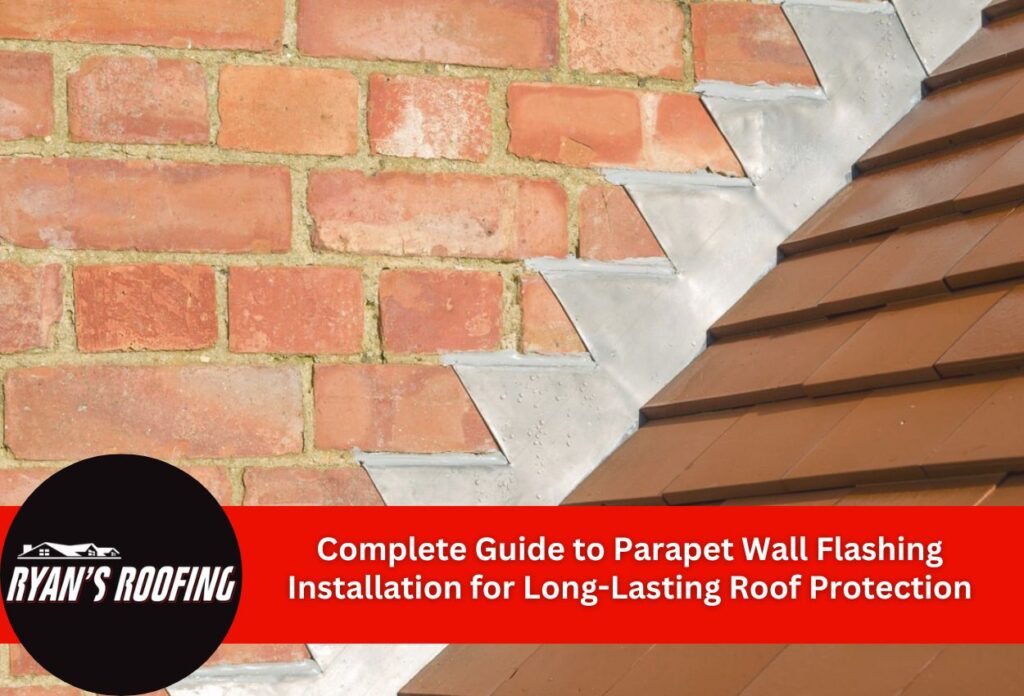

Parapet wall flashing is a critical component that protects buildings from water damage and structural deterioration. These specialized waterproof barriers create a seamless seal between the roof membrane and vertical parapet walls, preventing moisture from infiltrating the building. Without flashing systems, water can seep into wall cavities, causing expensive damage to insulation, framing, and interior finishes.
The importance of quality parapet wall waterproofing cannot be overstated for property owners seeking long-term building protection. Professional flashing membrane installation creates multiple layers of defense against Pennsylvania’s heavy rains, snow accumulation, and freeze-thaw cycles that can compromise inferior installations. Correctly installed parapet flashing and coping work together to direct water away from vulnerable building joints.
Understanding parapet wall flashing systems helps building owners plan roof flashing repair, installation, and maintenance. These waterproofing solutions significantly extend the roof’s lifespan while reducing the likelihood of emergency repairs during harsh weather. Quality installation techniques ensure that flashing membranes maintain their protective capabilities for decades, making them essential investments for any commercial or residential property with parapet wall construction.
Before Starting Your Flashing Project: Gathering Your Supplies
Successful parapet wall flashing installation requires specific materials and professional-grade equipment to ensure waterproof performance and building code compliance. The material selection process begins with choosing appropriate flashing membranes based on the parapet wall configuration and roof system type. Modified bitumen membranes work exceptionally well for most applications, while TPO and EPDM options provide excellent flexibility for buildings experiencing thermal movement.
Materials needed for parapet wall waterproofing include high-quality sealants, mechanical fasteners, and termination bars designed for roof edge flashing applications. Polyurethane and silicone-based sealants offer superior adhesion and weather resistance for Pennsylvania’s climate. Stainless steel fasteners prevent corrosion issues that compromise flashing over time, while termination hardware creates secure attachment points.
Professional installation requires specialized tools, including heat welding equipment for thermoplastic membranes, heavy-duty utility knives, measuring devices, and safety equipment meeting OSHA standards. Scaffolding or lift equipment ensures safe access to parapet walls during installation. Quality brushes and rollers are used for even adhesive application, while infrared thermometers help verify complete sealing. These tools enable contractors to complete parapet flashing projects to manufacturer warranties and building standards for long-term performance.
Step-by-Step Installation Process for Maximum Water Protection
Preparation is essential for successful parapet wall flashing installation and determines the long-term effectiveness of the waterproofing system. Surface preparation begins with thorough cleaning of the parapet wall and roof deck to remove debris, loose materials, and contaminants that could compromise adhesion. All existing flashing materials require complete removal, followed by inspection of the substrate for structural damage or deterioration that needs to be fixed before the new installation.
Accurate measurement and layout techniques ensure optimal coverage and prevent gaps in the flashing membrane. Professional contractors establish reference lines along the parapet wall and mark dimensions for base flashing height and counter flashing overlap zones. These measurements account for thermal expansion and building settlement while maintaining drainage slopes away from the parapet.
The installation sequence progresses from base flashing attachment to final coping installation to create watertight seals at every connection point. Base flashing installation begins at the roof deck level, extending up the parapet wall to predetermined heights based on building codes and manufacturer specifications. Counter flashing installation follows, overlapping the base flashing by the minimum distances specified for the climate zone and building exposure conditions.
Connection points receive additional attention during flashing projects. Corner details, penetrations, and termination points require specialized techniques, including membrane reinforcement and multiple sealant applications. These enhanced sealing methods ensure that parapet wall waterproofing systems provide comprehensive protection against water infiltration throughout their service life.
Common Installation Mistakes That Lead to Expensive Water Damage
Improper overlap is one of the most frequent errors in parapet wall flashing installation, which creates vulnerable points for water infiltration. Many contractors fail to maintain adequate overlap distances between flashing membrane sections, particularly at corner transitions and termination points. Insufficient overlaps allow water to seep between membrane layers during heavy rainfall or snow melt. Professional installations require a minimum 4-inch overlaps for most membrane types, with 6-inch overlaps recommended for high-exposure areas.
Inadequate fastening techniques can compromise the structural integrity of parapet roof edge flashing systems and lead to premature failure during strong winds. Using incorrect fastener types, insufficient fastener density, or improper placement patterns allows flashing membranes to lift and separate from parapet walls. These mechanical failures create openings for water entry and often require complete replacement rather than simple patching. Quality installations utilize corrosion-resistant fasteners placed at manufacturer-specified intervals with proper edge distances.
Poor sealant application undermines the effectiveness of parapet wall waterproofing even when other components are correctly installed. Common sealant mistakes include using incompatible materials, insufficient surface preparation, or applying sealants in adverse weather conditions. These errors result in bond failures that allow moisture in around flashing terminations and mechanical attachments. Signs of failing flashing systems includes visible sealant cracking, membrane lifting, or interior water stains near parapet locations, indicating the need for immediate repairs.
Integrating Parapet Coping Installation with Your Flashing System
Parapet wall flashing installation is most effective when coordinated with parapet coping installation. The integration of these two waterproofing components creates comprehensive protection against water infiltration through multiple defense layers. Base flashing membranes attach directly to parapet walls and connect seamlessly with the roof edge, while coping systems are the primary weather barrier along the top of the parapet.
Generally, flashing membrane installation occurs before coping attachment to create the correct overlap. The base flashing extends up the parapet wall surface to predetermined heights, typically 6 to 8 inches above the finished roof level. Cap flashing components then overlap the base flashing and extend under the coping system, creating continuous waterproof barriers that direct moisture away from vulnerable wall penetrations.
Material compatibility between flashing membranes and coping systems prevents chemical interactions that could compromise parapet wall waterproofing integrity. Modified bitumen flashing membranes work effectively with most metal coping materials, while thermoplastic membranes require compatible sealants and attachment methods. The thermal expansion characteristics of both systems must coordinate to prevent stress concentrations that could cause membrane tearing or coping joint separation.
Professional installation ensures that mechanical attachments for coping systems do not compromise flashing membranes. Roof parapet projects that address both flashing and coping components simultaneously seamlessly integrate these systems and prevent moisture infiltration through compromised connection points.
When to Repair Existing Roof Flashing vs. Complete Replacement
Determining whether existing parapet wall flashing systems require repair or complete replacement depends on an assessment of the current membrane condition. Professional evaluations begin with a visual inspection of flashing for obvious signs of deterioration, including cracking, blistering, or membrane separation from parapet walls. Minor surface defects often respond well to targeted roof flashing repair techniques, while extensive damage typically necessitates a full replacement.
Assessment techniques include water testing to reveal hidden leaks not visible during standard inspections. Flood testing involves temporarily ponding water against parapet wall waterproofing systems to find any points requiring attention. Electronic leak detection equipment can pinpoint specific failure locations within membrane systems, helping contractors determine repair feasibility vs. replacement requirements. These diagnostic approaches prevent unnecessary replacement costs when targeted repairs can restore system performance.
Repair procedures for minor flashing issues focus on addressing localized problems while preserving functional membrane areas. Small punctures and seam separations often require patch installation using compatible membrane materials and proper overlap techniques. Reapplying sealant around parapet coping frequently resolves minor water infiltration without extensive membrane replacement. Regular maintenance should include debris removal, fastener tightening, and sealant inspection, which extends the flashing’s lifespan significantly. However, systems showing widespread deterioration, multiple leak points, or membrane shrinkage typically require complete replacement to ensure reliable parapet wall waterproofing.
Professional Installation vs. DIY for Your Parapet Wall Project
Parapet wall flashing installation requires advanced technical skills and knowledge that is beyond basic roofing capabilities. The complexity of creating watertight seals between vertical walls and horizontal roof surfaces requires an understanding of thermal movement, membrane compatibility, and precise techniques. DIY installations frequently fail due to improper material selection, inadequate surface preparation, or incorrect overlap that compromise the entire waterproofing system.
Safety considerations present significant risks for property owners attempting parapet wall waterproofing projects without professional training. Working at roof edge locations requires fall protection equipment, scaffolding systems, and emergency response procedures that most building owners or maintenance crews lack. Heat welding equipment used in flashing membrane installation creates fire hazards when operated by inexperienced individuals, while chemical exposure from sealants and adhesives requires appropriate personal protective equipment.
Professional roofing contractors bring essential qualifications, including licensing, insurance coverage, and manufacturer certifications for specific membrane systems. When evaluating potential contractors, property owners should verify experience with parapet coping installation projects and request documentation of completed roof flashing work. Important questions include warranty terms for both materials and workmanship, availability of emergency repair services, and familiarity with local building codes. Experienced contractors provide detailed project specifications, material recommendations based on building exposure conditions, and ongoing maintenance support that ensures long-term system performance.
Expert Parapet Wall Flashing Installation by Ryan’s Roofing LLC
Protecting your building from water damage starts at the top. Parapet wall flashing installation is crucial for long-term health of your flat roofing system. Don’t let inadequate flashing compromise your building’s structure. Choosing professional installation from Ryan’s Roofing LLC ensures that your parapet walls are equipped to handle even the toughest weather conditions, preventing future repairs and extending the life of your roof and wall system.
For a reliable solution to your parapet wall flashing needs, contact Ryan’s Roofing LLC today at (717) 608-1587. Trust our expert team to deliver high-quality, durable flashing installation tailored to your building’s specific requirements.