


 GET FREE ROOF ESTIMATE
 Essential Flat Roof Maintenance Tips Every Property Owner Should Know
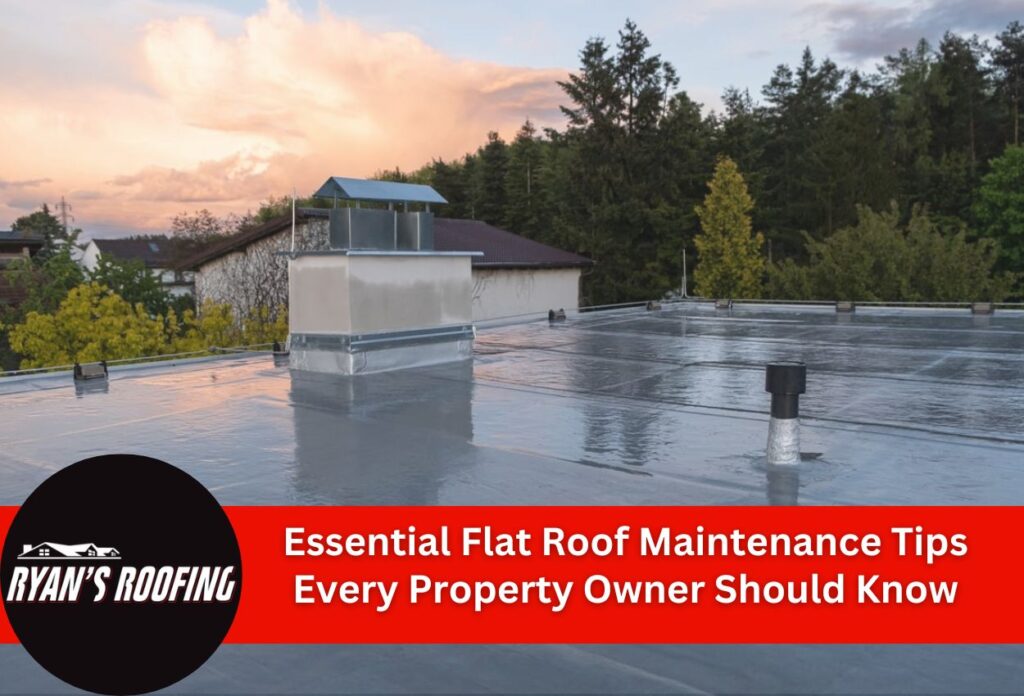

Flat roofs present unique challenges that require specialized maintenance approaches compared to traditional sloped roofing systems. Without the natural water runoff that pitched roofs provide, flat surfaces accumulate moisture, debris, and stress from weather conditions differently. Understanding the distinctions between flat and pitched roofs becomes important for property owners who want to protect their investment and avoid unexpected repair expenses.
The horizontal design of flat roofs means water moves more slowly across the surface, creating opportunities for pooling and potential membrane damage. Snow loads, temperature fluctuations, and UV exposure also impact these roofing systems more intensely than their sloped counterparts. These factors make regular flat roof maintenance tips essential knowledge for anyone managing commercial buildings or residential properties with this roofing style.
Preventive roof care practices can significantly extend the lifespan of flat roofing systems while reducing the likelihood of emergency flat roof repair situations. Property owners who implement consistent roof membrane maintenance and proper roof drainage typically experience fewer expensive interruptions and longer-lasting roof performance. Commercial roof upkeep becomes particularly important for businesses that cannot afford operational disruptions caused by roofing failures.
Recognizing early warning signs and maintaining regular inspection schedules helps property owners address minor issues before they develop into major structural problems.
Creating Your Seasonal Inspection Schedule
Establishing a systematic inspection schedule forms the foundation of effective flat roof maintenance. Property owners can perform monthly visual assessments from ground level using binoculars to identify obvious problems like standing water, debris accumulation, or visible membrane damage. These routine checks help catch issues early before they require extensive flat roof repair work.
Quarterly inspections should focus on roof drainage maintenance by examining gutters, downspouts, and drain areas for blockages. Property owners can safely check these components from ground level while looking for signs of water overflow or improper drainage patterns that could compromise the roof membrane maintenance.
Professional inspections should be done twice a year. Qualified roofing contractors examine membrane integrity, flashing conditions, and structural elements during these detailed evaluations. These professionals identify subtle warning signs like minor punctures, adhesive failures, or early deterioration that untrained eyes might miss.
Keep Water Moving with Proper Drainage Care
Effective drainage management is one of the most important things a property owner can implement. Water that accumulates on flat surfaces creates additional weight and accelerates membrane deterioration. Regular drainage system cleaning prevents these problems while extending the overall lifespan of roofing materials.
Clearing debris from gutters, scuppers, and drain openings requires systematic attention throughout each season. Leaves, branches, and sediment naturally accumulate in these areas and create blockages that redirect water flow. Property owners should remove visible debris monthly and inspect drain covers for proper positioning. This preventive roof care approach stops minor blockages from developing into major drainage failures that require expensive flat roof repair work.
Identifying drainage problems early prevents structural damage and expensive membrane replacement. Standing water that remains on roof surfaces for more than 48 hours after rainfall indicates drainage system problems that need immediate attention. These pooling areas create stress points that can cause membrane cracking and eventual leaking through the roofing system.
Professional roof drainage maintenance becomes necessary when blockages occur within buried drain lines or when scupper systems require adjustment. Commercial roof upkeep often involves specialized equipment to clear internal drainage components that property owners cannot safely access. Addressing these drainage issues promptly maintains proper water flow and protects the significant investment that flat roofing systems represent for property owners.
Protecting Your Roof Membrane from Damage
Maintaining the integrity of roof membrane systems requires consistent attention to daily activities and environmental factors that can cause punctures, tears, and premature deterioration. Property owners must establish protective protocols that prevent unnecessary foot traffic damage while addressing potential hazards before they compromise the roofing material. Understanding how different membrane types respond to various stressors helps create effective preventive roof care strategies.
EPDM rubber membranes require different maintenance approaches compared to TPO or modified bitumen systems. Each material responds uniquely to temperature changes, UV exposure, and physical stress. For example, EPDM systems benefit from periodic cleaning with mild detergents and careful seam inspection, while TPO membranes need protection from grease and petroleum-based products that can cause chemical damage. Modified bitumen surfaces require attention to granule loss and surface cracking that can expose the underlying waterproof layer.
Establishing access protocols prevents accidental membrane damage during routine building maintenance. HVAC technicians, satellite installers, and other service providers can inadvertently create punctures or tears without proper protective measures. Property owners should require walkway pads or temporary protection boards whenever personnel access the surface of the roof for commercial roof upkeep tasks.
Regular membrane inspections focus on identifying early signs of deterioration like surface chalking, small punctures, or adhesive failures around seams and penetrations. These minor issues respond well to targeted flat roof repair techniques when addressed promptly, preventing extensive roof membrane maintenance projects that disrupt building operations and require significant financial investment.
Spotting Problems Early with Visual Warning Signs
Standing water that persists more than 48 hours after rainfall signals drainage problems requiring immediate attention. Dark stains or discoloration around building perimeters often indicate membrane leaks or flashing failures that need professional evaluation.
Interior warning signs frequently appear before exterior damage becomes visible during routine flat roof maintenance. Water stains on ceilings, musty odors, or paint bubbling near exterior walls suggest membrane compromise that demands urgent flat roof repair attention. These symptoms typically indicate that minor issues have progressed beyond simple preventive roof care measures.
Distinguishing between problems requiring immediate professional intervention and those suitable for monitoring helps property owners allocate maintenance resources effectively. Small debris accumulation around drains represents a manageable issue that property owners can address through regular roof drainage maintenance activities. However, membrane bubbling, significant ponding water, or visible tears require immediate contractor assessment to prevent structural damage.
Sagging areas, loose flashing, or separated seams indicate serious structural concerns that exceed typical commercial roof upkeep capabilities. These conditions can rapidly deteriorate during bad weather, creating emergencies that disrupt building operations. Professional evaluation becomes essential when these warning signs appear, as a delayed response often transforms manageable roof membrane maintenance into expensive system replacement projects.
Smart Preventive Measures That Save Money Long-Term
Simple maintenance tasks performed regularly can prevent major roofing expenses that often catch property owners unprepared. Clearing debris from drains monthly can prevent water from backing up, causing major structural issues that could lead to an expensive membrane replacement. Applying protective coatings every few years extends membrane life significantly compared to replacement costs when deterioration goes unchecked.
Trimming overhanging branches before they scrape membrane surfaces during wind events represents another cost-effective preventive measure. These small investments in roof membrane maintenance prevent punctures and tears that require professional flat roof repair services. Property owners who implement these basic flat roof maintenance tips typically experience 30% to 50% fewer emergency repair situations over the roofing system’s lifespan.
Seasonal preparations protect flat roofs from weather extremes that accelerate deterioration and create sudden failure conditions. Before winter arrives, property owners should ensure all drainage systems function properly to prevent ice dam formation. Removing accumulated debris and checking the structural integrity of your roof membrane before severe weather helps roofing systems withstand temperature fluctuations and precipitation.
Summer preparations focus on UV protection and thermal expansion management through proper ventilation and reflective treatments. These preventive roof care measures reduce thermal stress that causes membrane cracking and premature aging. Commercial roof upkeep programs that include seasonal preparation typically achieve maximum warranty coverage while minimizing unexpected business disruptions. Investing in these protective treatments and routine roof drainage maintenance activities delivers substantial long-term savings compared to reactive repair approaches.
Knowing When to Call In the Professionals
Recognizing the limits of DIY flat roof maintenance capabilities helps property owners avoid expensive mistakes and potential safety hazards. While basic cleaning and visual inspections fall within most property owners’ abilities, certain situations require professional expertise to prevent further damage. Structural issues, extensive membrane repairs, and complex drainage problems exceed typical maintenance skills and equipment availability.
Professional intervention becomes necessary when standing water persists despite clearing visible drain blockages, indicating internal drainage system problems. Membrane bubbling, extensive cracking, or separation around flashing areas require specialized tools and materials for proper flat roof repair. These situations often involve warranty considerations that need certified contractor involvement to maintain coverage protection.
Selecting qualified roofing professionals requires evaluating licensing, insurance coverage, and experience with specific types of membranes. Contractors specializing in commercial roof upkeep typically possess the equipment and knowledge necessary for roof membrane maintenance projects. Property owners should request references from similar buildings and verify contractor certifications with membrane manufacturers.
During professional maintenance visits, expect thorough documentation including photographs, condition assessments, and recommended preventive roof care schedules. Quality contractors provide detailed reports explaining current conditions and future maintenance requirements. These professionals also identify potential problems before they require emergency flat roof repair services, helping property owners budget effectively for ongoing roof drainage maintenance and system preservation needs.
Ensure Your Flat Roof’s Longevity with Ryan’s Roofing LLC
Maintaining your flat roof is important to preventing expensive repairs and prolonging its lifespan. Regular inspections and quick maintenance are key to keeping your flat roof in the best condition. Whether it’s clearing debris from your drainage system or checking for signs of wear on the roof membrane, each step is vital for protecting your investment.
If you’re unsure about handling maintenance yourself or spot signs of significant wear, it’s time to call in the professionals. Ryan’s Roofing LLC specializes in flat roof maintenance and repair, ensuring your roof can withstand the elements and continue to protect your property. Don’t wait for small issues to become major expenses.
Contact Ryan’s Roofing LLC today at (717) 608-1587 to schedule a professional inspection and maintenance service. Let us help you extend the life of your flat roof with expert care and attention.