


 GET FREE ROOF ESTIMATE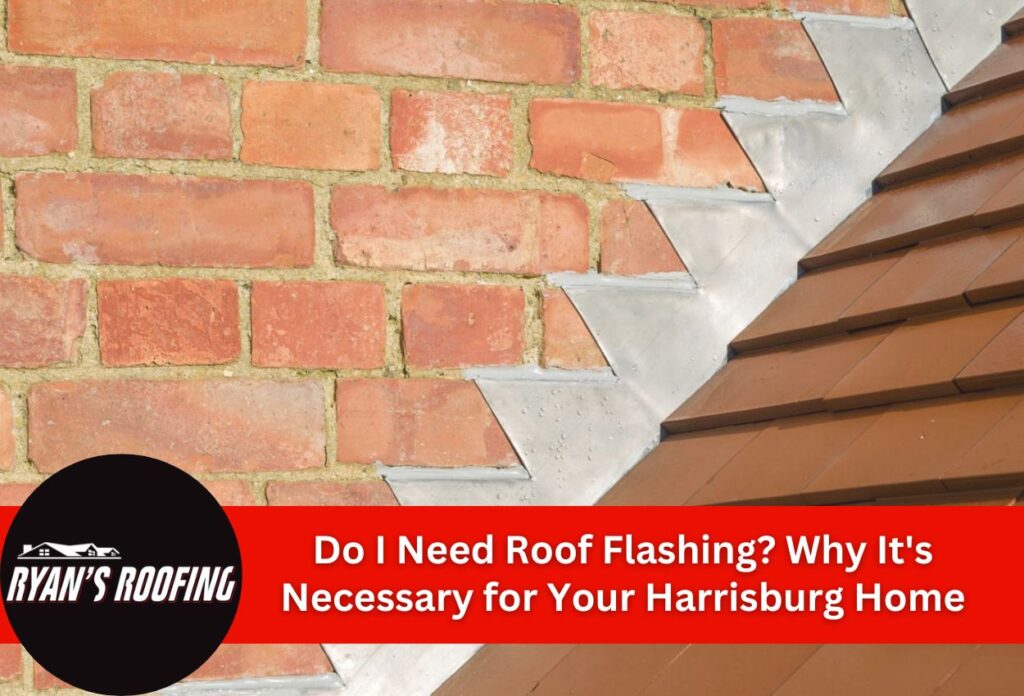

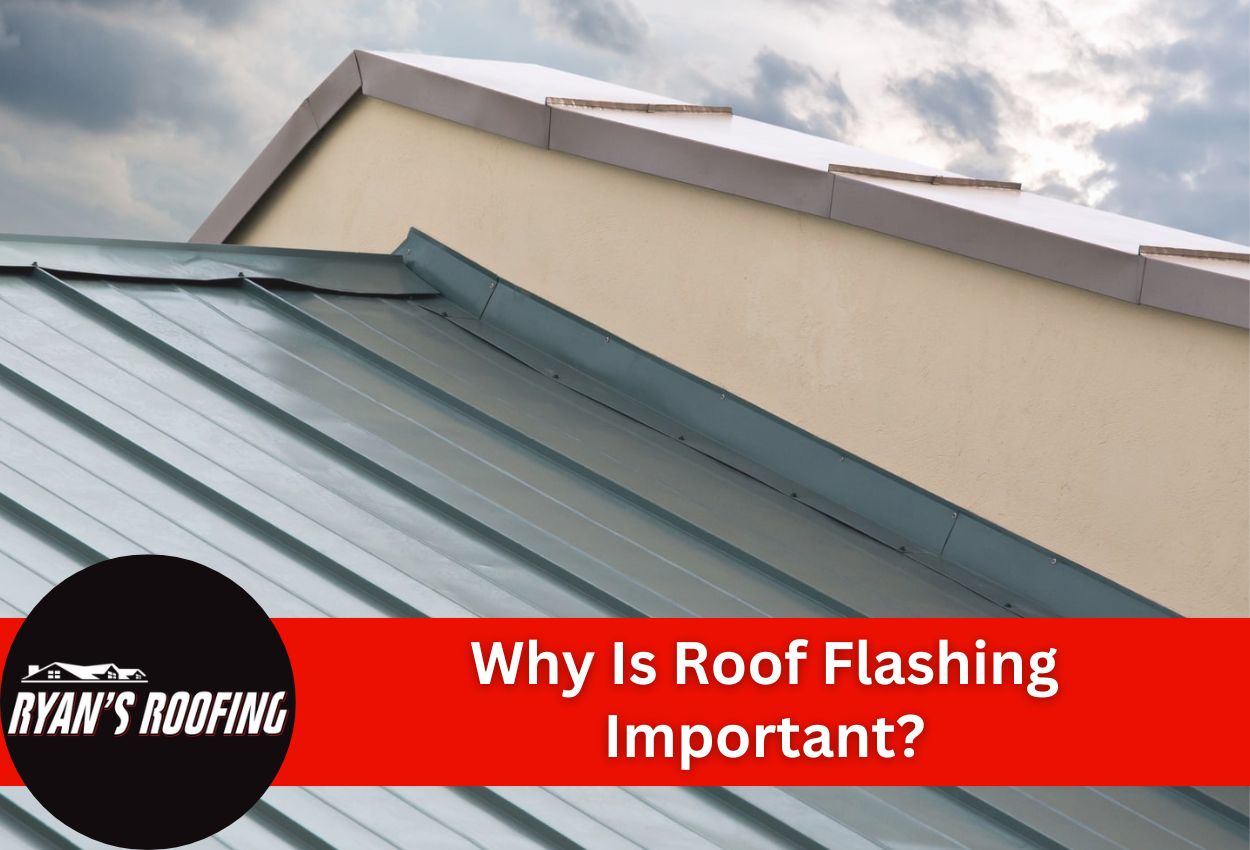
Roof flashing is non-negotiable when it comes to protecting homes from water damage, yet many homeowners are unaware of its importance until problems arise. This barrier, typically made from metals like aluminum, copper, or galvanized steel, creates a watertight seal around roof penetrations and transitions where different materials meet.
The main role of flashing is to keep water away from vulnerable areas of the roof. These areas include chimneys, vent pipes, skylights, dormers, and valleys where two roof planes intersect. Without flashing installation, water can seep into these joints and cause extensive damage to underlying structures, insulation, and interior spaces.
Harrisburg’s climate makes roof flashing even more essential for local homeowners. The region experiences significant seasonal temperature fluctuations, heavy rainfall, and occasional severe weather that test roofing systems. These conditions cause materials to expand and contract repeatedly, potentially creating gaps where water can infiltrate.
Different types of roof flashing address specific architectural features and weather exposure needs. Step flashing protects sidewalls and chimneys, while valley flashing channels water through roof intersections. Roof flashing replacement and immediate roof flashing repair prevent minor issues from growing and compromising the entire roofing system.
Warning Signs That Indicate Your Roof Requires New or Additional Flashing
Recognizing the signs that you need roof flashing can save homeowners from expensive water damage and structural repairs. Several visible indicators around the home’s exterior clearly signal when roof flashing replacement is necessary.
Water stains appearing on exterior walls, particularly near chimney bases, vents, or roof valleys, often indicate compromised flashing systems. These discolored streaks typically appear as dark brown or rust-colored marks that become more pronounced after rainfall. Rust spots on existing metal flashing components also signal deterioration that requires immediate attention.
Damaged or missing sealant around flashing joints creates entry points for moisture infiltration. Cracked caulk, separated materials, or visible gaps between flashing and roofing materials all compromise the protective barrier these systems provide.
Interior warning signs are often more concerning than exterior damage because they indicate water has already seeped into the roof structure. Ceiling discoloration, especially around chimneys or bathroom vents, suggests flashing failures above. Yellow or brown stains that appear or worsen during storms clearly point to roof flashing repair needs.
Mold growth in attics, closets, or upper-level rooms frequently results from moisture entering through compromised flashing systems. Unexplained dampness, musty odors, or peeling paint on interior walls near roof penetrations also indicate that flashing replacement should be prioritized to prevent further damage.
Essential Areas of Your Roof That Must Have Flashing
Specific areas of every roof system require flashing to prevent leaks, and understanding these critical zones helps homeowners recognize where professional roof flashing installation is absolutely necessary for long-term protection.
Chimneys are vulnerable roof penetrations that require comprehensive flashing systems. The intersection between chimney structures and roofing materials creates multiple potential entry points for water. Step flashing along the sides and back of chimneys works in conjunction with counter flashing embedded in mortar joints to create layered protection. Skylights and vent pipes also require specialized flashing techniques, as these features interrupt the roof’s continuous surface and need to be completely sealed.
Valleys, where two roof sections meet, concentrate water flow and require robust flashing systems to channel runoff down the roof. These areas experience increased water volume during storms, making proper valley flashing installation critical for preventing leaks. Dormers present similar challenges, as they create both horizontal and vertical transitions that require careful attention to flashing details.
Transition zones where different roofing materials meet also require flashing protection. Areas where metal connects to shingles, or where roofing materials meet siding, create potential weak points. These locations experience differential expansion and contraction rates, making quality roof flashing essential for maintaining watertight seals. A professional assessment ensures all vulnerable areas receive appropriate flashing based on their specific architectural features and exposure conditions.
Different Flashing Materials and Which Type Your Home Needs
Metal flashing options dominate the roofing industry due to their durability and weather resistance properties. Aluminum flashing offers lightweight installation advantages while providing excellent corrosion resistance at an affordable price point. This material works well around vent penetrations and basic roof transitions, making it suitable for standard residential applications where budget considerations matter.
Copper flashing is a premium choice for roof flashing installation projects requiring maximum longevity and aesthetic appeal. This material develops a protective patina over time that enhances its corrosion resistance while creating an attractive appearance that complements upscale architectural styles. Copper performs exceptionally well in all weather conditions and can last several decades with minimal maintenance.
Galvanized steel provides superior strength for heavy-duty applications around chimneys and large roof penetrations. This material offers enhanced durability against physical damage and a lower price point compared to copper alternatives. The zinc coating protects the underlying steel from rusting, extending its service life significantly.
Modern synthetic and rubber flashing alternatives have gained popularity for specific applications requiring flexibility and ease of installation. EPDM rubber flashing adapts well to irregular surfaces and pipe penetrations, while synthetic materials offer improved adhesion properties around complex roof geometries.
The right flashing material depends on roof slope, exposure conditions, architectural style, and long-term maintenance preferences. A professional evaluation of these variables ensures the right type of flashing is chosen for each specific situation, preventing premature failures and expensive replacements.
Professional Installation vs. DIY Flashing Projects
Complex roof flashing installation projects typically require a professional eye and specialized tools to ensure complete water protection. Chimney flashing is one of the most challenging installations, involving multiple flashing types that must integrate seamlessly with existing roofing materials. Professional contractors have the knowledge to properly sequence step flashing, counter flashing, and cricket installation around chimney bases, while homeowners often lack the technical understanding needed for these intricate systems.
Skylight flashing and dormer installations also need professional attention due to their complex geometry and potential for mistakes. These projects require precise measurements, specialized cutting tools, and experience with manufacturer-specific installation requirements. Valley flashing replacement on steep roofs presents significant safety hazards that make professional installation the better choice for most homeowners.
Simple maintenance tasks like resealing minor gaps around existing flashing or replacing damaged caulk can often be handled safely by homeowners with basic tools and ladder safety knowledge. Visual inspections for loose flashing segments or obvious damage also fall within typical homeowner capabilities.
However, any signs such as water stains or structural damage warrant immediate professional evaluation. Roofing contractors can accurately assess whether repairs will suffice or if complete roof flashing replacement is necessary. Professionals ensure proper material selection, correct installation techniques, and warranties that protect the homeowner’s investment while preventing future water damage issues.
Maintaining and Repairing Existing Roof Flashing
Maintaining existing roof flashing systems prevents small issues from developing into structural problems that require expensive repairs. Regular inspections help homeowners identify deterioration early and take corrective action before water damage occurs.
Visual inspections should occur twice yearly, preferably during spring and fall. Look for loose or lifted flashing edges that may allow water infiltration. Check for rust formation, cracked sealant, or separated joints where flashing meets roofing materials. Pay particular attention to step flashing along walls and chimney bases, as these areas experience frequent movement from thermal expansion.
Common repair methods for minor flashing issues include resealing joints with high-quality roofing sealant and securing loose edges with appropriate fasteners. Small holes or cracks in metal flashing can often be patched using compatible metal patches and waterproof adhesive. However, extensive rust damage, multiple failed joints, or warped flashing sections indicate that complete roof flashing replacement is necessary rather than attempting temporary repairs.
Cleaning debris from around flashing areas prevents water accumulation and extends material lifespan. Remove leaves, twigs, and other organic matter that can trap moisture against metal surfaces and accelerate corrosion. Professional roof flashing repair services are essential when damage extends beyond surface-level issues or involves complex multi-component systems around chimneys and skylights.
Understanding when repairs suffice versus when replacement is required helps homeowners protect their roof and their homes.
Making the Decision About Your Roof Flashing Investment
Determining whether your home requires immediate roof flashing attention or can wait for future planning depends on several factors that homeowners should carefully evaluate. The age of existing flashing systems plays a significant role in this decision-making process, as materials typically begin showing deterioration after 10 to 15 years of exposure.
Immediate action is necessary when water stains appear inside the home, you see extensive rust on metal components, or visible gaps develop between flashing and roofing materials. These signs indicate that water infiltration has likely already begun, meaning delays would likely result in more expensive repairs. Homes experiencing active leaks during rainstorms require emergency roof flashing repair to prevent ongoing structural damage.
Future planning makes sense for properties with older but still functional flashing systems that show minor wear. Homeowners can budget for eventual roof flashing replacement while monitoring the situation through regular inspections. Properties approaching major roof renovations should coordinate flashing upgrades with broader roofing projects to maximize efficiency and minimize costs.
Proper roof flashing installation and maintenance protect home values by preventing water damage that can compromise structural integrity, insulation, and interior finishes. Pennsylvania’s freeze-thaw cycles create challenging conditions that test flashing systems repeatedly throughout the winter months. Quality flashing prevents ice building around roof penetrations and maintains effective drainage during heavy spring rains. Investing in appropriate roof flashing suited to your local climate ensures long-term protection against expensive structural repairs while maintaining your property’s market value and safety.
Protect Your Home with Ryan’s Roofing LLC: Expert Roof Flashing Installation in Harrisburg
Don’t wait for water damage to signal the need for roof flashing on your Harrisburg home. Ryan’s Roofing LLC specializes in the professional installation and repair of various types of roof flashing, ensuring your home remains secure and damage-free, even in Pennsylvania’s challenging weather conditions. From aluminum to modern synthetic options, we select the best materials suited for your roofing needs. Whether it’s protecting structural points like chimneys and skylights or sealing roof valleys and transitions, our experts handle every detail with precision.
If you’ve noticed signs like ceiling discoloration or unexplained moisture, it’s time to act. Call us today at (717) 608-1587 to discuss your flashing needs. Trust Ryan’s Roofing LLC to protect your home’s value and integrity with top-tier roof flashing solutions.