


 GET FREE ROOF ESTIMATE
 What are Common Chimney Problems? 6 Issues Every Homeowner Should Know About
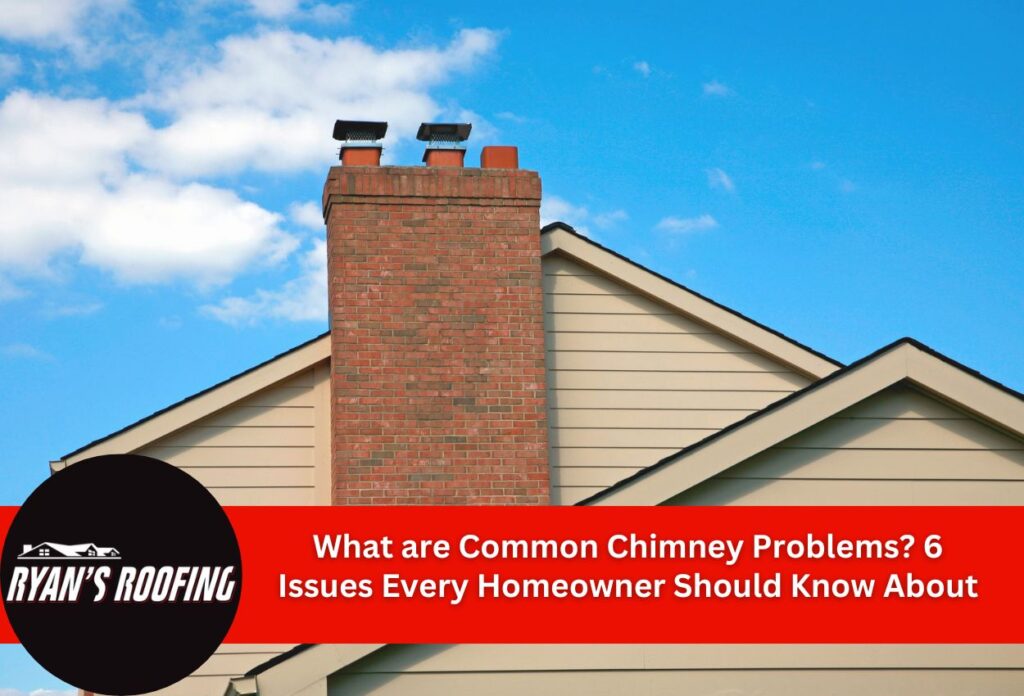
Chimney problems can develop quickly and silently, often going unnoticed until they become serious safety hazards or expensive repair projects. Understanding common chimney problems helps homeowners protect their families and preserve their investment in their homes.
Most chimney issues stem from exposure to weather, normal wear and tear, and lack of regular upkeep. Water damage ranks as the leading cause of chimney deterioration, while structural settling and temperature changes create additional stress on chimney systems. These factors create conditions where small issues can rapidly escalate.
Recognizing chimney repair signs early can be the difference between simple maintenance and complete reconstruction. Damaged chimney symptoms often appear gradually, giving homeowners time to address problems before they threaten the structural integrity of the entire chimney system. Common warning signs include white staining on exterior brick, rust on dampers or fireboxes, and cracked or missing mortar joints.
Professional inspections can reveal issues that untrained eyes typically miss and catch chimney structural damage in its early stages, when repairs remain manageable and affordable. Homeowners who stay alert to these warning signs can take swift action to maintain safe, functional chimneys that serve their homes for decades.
#1. Cracked or Damaged Chimney Crown and Cap Issues
The chimney crown and cap serve as the primary defense against water infiltration, making their condition critical for preventing extensive damage. When these protective barriers fail, homeowners face a cascade of problems that can affect the entire chimney system.
Crown deterioration manifests through several visible signs that homeowners can identify during routine property inspections. Hairline cracks in the concrete surface often appear first, gradually expanding due to freeze-thaw cycles and thermal expansion. These cracks eventually lead to crumbling concrete, exposed rebar, and widespread deterioration of the crown structure.
Water damage from compromised crowns often creates interior chimney problems, including deteriorated flue liners, damaged masonry joints, and rust on metal components. The moisture seepage can extend beyond the chimney structure, causing ceiling stains, wall damage, and mold growth in adjacent living spaces.
Missing or damaged chimney caps present equally serious issues by creating direct access points for water, debris, and wildlife. Rain enters freely through uncapped chimneys, while leaves, twigs, and nesting animals create blocks that prevent proper ventilation. These obstructions increase the risk of carbon monoxide buildup and create fire hazards from accumulated debris.
Additional chimney problems related to caps include bent or rusted screening, loose mounting hardware, and deteriorated sealant around cap edges. These damaged chimney symptoms require immediate attention to restore protection and prevent the deterioration of the entire chimney system.
#2. Creosote Buildup and Poor Ventilation Problems
Creosote accumulation is one of the most dangerous chimney maintenance issues homeowners face, creating significant fire hazards when left unaddressed. This dark, tar-like substance forms when wood burns incompletely, with the resulting vapors cooling and condensing on chimney walls as they travel upward through the flue system.
The process accelerates when burning wet or unseasoned wood, which produces more smoke and incomplete combustion byproducts. Lower flue temperatures caused by restricted airflow allow these vapors to condense before reaching the chimney top, creating thick layers of highly flammable deposits. These accumulations become increasingly dangerous as they build up over multiple seasons.
Poor ventilation compounds creosote problems by creating conditions that prevent smoke from exiting the fireplace or wood stove. Damaged chimney ventilation issues include smoke entering living spaces, difficulty starting fires, and persistent odors even when the fireplace is not in use. These chimney problems often stem from blocked flues, damaged dampers, or inadequate air supply to the combustion area.
Backdraft conditions develop when insufficient ventilation creates negative pressure within the chimney system, causing smoke and dangerous gases to reverse direction and enter the home. Chimney problems associated with poor airflow include carbon monoxide infiltration and indoor air quality issues that pose serious health risks.
Regular cleaning and ventilation maintenance prevent these issues from developing into life-threatening situations that require extensive remediation work.
#3. Water Damage and Moisture-Related Deterioration
Water infiltration is another destructive force affecting chimney systems, causing extensive damage that spreads throughout the structure when leaks go unchecked.
Damaged flashing creates the most common pathway for water entry, particularly where the chimney meets the roofline. This metal barrier deteriorates over time due to thermal expansion, wind uplift, and corrosion, allowing water to seep behind the flashing and into surrounding materials. Loose or missing flashing permits direct water into vulnerable areas, including roof decking, wall cavities, and chimney masonry.
Deteriorated mortar joints provide another critical entry point for moisture that leads to serious chimney structural damage. Weather exposure causes mortar to crack, shrink, and crumble, creating gaps between bricks that allow water into the chimney structure. This moisture absorption weakens the masonry bonds and accelerates deterioration throughout the system.
Additionally, porous masonry materials absorb water directly through brick surfaces, particularly when protective sealants have worn away or when freeze-thaw cycles have created microscopic cracks. Chimney problems related to masonry absorption include spalling bricks, efflorescence staining, and structural instability.
Interior damage can reveal the extent of water infiltration through several recognizable symptoms. White mineral deposits on exterior brick surfaces indicate water movement through masonry, while rust on dampers and fireboxes signals ongoing moisture exposure that compromises metal components. If any of these signs are spotted, a professional assessment is necessary to determine the extent of the chimney damage.
#4. Mortar Joint Deterioration and Masonry Breakdown
Weather exposure continuously attacks mortar joints through freeze-thaw cycles, wind-driven rain, and temperature fluctuations that cause expansion and contraction of masonry materials. These natural forces gradually weaken the cement-based mortar that holds bricks and stones together, creating the foundation for serious chimney structural damage.
Initial deterioration appears as hairline cracks in mortar joints that expand over time, allowing water deeper into the chimney structure. The absorbed moisture freezes during cold weather, expanding within the mortar and brick materials to create larger cracks and gaps. This cyclical process accelerates during winter when repeated freeze-thaw conditions stress already compromised masonry bonds.
Recognizing damaged chimney symptoms early prevents small mortar issues from turning into complete structural failure. Crumbling mortar that falls away from joints creates visible gaps between bricks, while loose masonry pieces indicate that structural bonds have failed completely. These chimney repair signs require immediate attention before the compromised areas spread to adjacent sections.
Spalling bricks represent advanced stages of masonry breakdown where the brick faces flake, chip, or break away completely. This deterioration occurs when water seeps through damaged mortar joints and freezes within the brick material itself, causing internal pressure that destroys the brick structure from within.
Shifting chimney structures indicate severe foundation settlement or extensive masonry failure throughout multiple sections. Chimney problems at this stage include tilting chimneys, separated joints, and complete structural instability that poses immediate safety risks requiring professional evaluation and emergency repairs.
#5. Flue Liner Damage and Structural Issues
Flue liner deterioration creates some of the most dangerous chimney problems homeowners encounter, as damaged liners allow toxic gases and extreme heat to escape into surrounding structures. Clay tile liners can crack from thermal shock when subjected to repeated heating and cooling cycles, while metal liners corrode from exposure to acidic combustion byproducts and moisture.
Cracked clay tiles permit dangerous gas leaks that can introduce carbon monoxide into living spaces through wall cavities and adjacent rooms. These compromised liners also create fire hazards by exposing combustible framing materials to extreme temperatures that would normally remain contained within the flue system. The gaps in damaged tiles allow hot gases to reach wood structures, creating conditions for chimney fires to spread beyond the flue itself.
Metal liner deterioration manifests through rust, holes, and complete section failure that compromises the entire venting system. Corroded sections create dangerous gas leakage points while reducing the effective flue diameter needed for proper draft and ventilation. These chimney maintenance issues accelerate when acidic condensation accumulates within the liner system.
Recognizing damaged chimney symptoms helps identify liner problems before they create life-threatening situations. Rust flakes falling into the firebox indicate advanced metal liner corrosion, while damaged damper operation often results from debris created by deteriorating liner materials. Unusual odors emanating from the fireplace, particularly when the system is not in use, signal gas leakage through compromised liner sections. Other chimney issues related to liner failure include poor draft performance and visible damage to clay tile sections, which require immediate professional assessment to restore safe operation.
#6. Blockages and Obstructions in the Chimney System
Physical blockages create immediate safety hazards by preventing proper ventilation and causing dangerous gas accumulation within chimney systems. These obstructions develop from various sources and must be removed as soon as possible to restore safe operation and prevent life-threatening situations.
Animal nests are one of the most common causes of chimney blockages, particularly during spring nesting season when birds, squirrels, and other rodents seek protected spaces for raising young. These animals build nests using twigs, leaves, paper, and other flammable materials that completely obstruct the flue passages. The accumulated debris creates fire hazards while preventing smoke and gases from properly venting to the exterior.
Debris accumulation can also occur naturally as leaves, branches, and organic matter enter through damaged or missing chimney caps. Windstorms and seasonal weather deposit additional materials that gradually build up within flue passages, reducing airflow and creating partial or complete blockages. These chimney issues worsen over time without regular cleaning and inspection.
Collapsed internal components, including deteriorated dampers, broken clay tiles, and fallen masonry, create sudden obstructions that severely impact chimney performance. Chimney problems in these situations include complete ventilation failure and structural damage that extends throughout the chimney system.
Recognizing chimney repair signs helps identify blockages before they create emergencies. Poor fire performance with difficulty maintaining flames indicates restricted airflow, while smoke entering living spaces signals blocked ventilation pathways. Unusual sounds, including scratching, chirping, or echoing noises from the chimney, suggest animal activity or loose debris movement within the flue system, requiring immediate inspection and professional removal services.
Protect Your Home with Expert Chimney Repairs from Ryan’s Roofing LLC
If you’ve noticed any of the common chimney problems discussed, such as creosote buildup, water damage, or structural issues, don’t wait for them to worsen. Early detection and repair are key to maintaining the safety and integrity of your home. At Ryan’s Roofing LLC, we specialize in diagnosing and resolving all types of chimney issues efficiently and effectively.
Whether it’s repairing damaged mortar joints, replacing a faulty chimney cap, or conducting a thorough chimney inspection, our expert team is equipped to handle it all. Don’t compromise on the safety of your household. Call us today at (717) 608-1587 to schedule a consultation and keep your chimney in top condition. Remember, taking action now can prevent expensive repairs in the future.