


 GET FREE ROOF ESTIMATE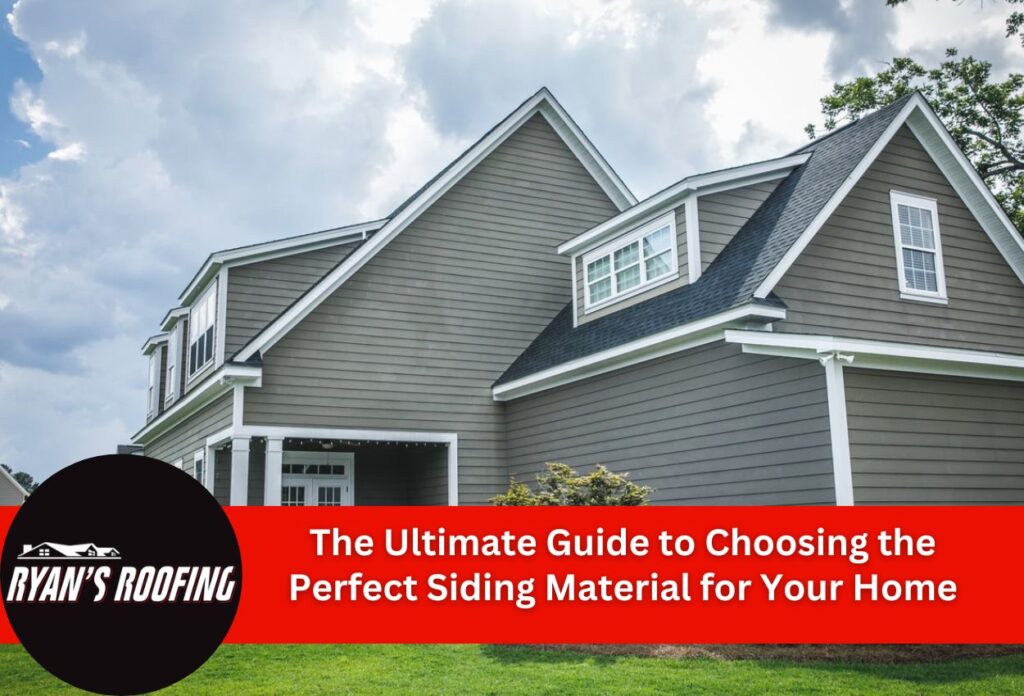
Key Points:
- The best siding materials for homes include vinyl for affordability and fiber cement for superior durability and weather resistance.
- Fiber cement and metal siding offer the longest lifespan, withstanding storms and temperature changes for 30 to 50 years with minimal maintenance.
- Energy-efficient siding options with insulated backing can reduce utility bills by 15% to 20% through improved thermal performance.
- Professional installation is crucial for optimal performance, requiring proper moisture barriers and manufacturer-specified techniques for lasting protection.
Selecting the best siding materials for homes is one of the most important decisions homeowners face when building or renovating their property. The exterior siding serves as the first line of defense against harsh weather conditions while significantly impacting curb appeal and property value. Understanding the various types of siding materials available helps homeowners make informed choices that align with their specific needs and circumstances.
Different siding options perform uniquely across various climates and environmental conditions. Homes in the Mid-Atlantic region experience distinct seasonal changes that require durable exterior siding options capable of withstanding temperature fluctuations, moisture, and storm conditions. The choice between materials like vinyl siding and fiber cement often depends on factors including longevity expectations, appearance preferences, and maintenance requirements.
Modern homeowners increasingly prioritize low-maintenance siding materials that reduce long-term upkeep while providing reliable protection. Energy-efficient siding options have gained popularity as property owners seek to improve insulation performance and reduce utility expenses. The right siding material combines durability, visual appeal, and practical benefits to create a protective barrier that enhances both the home’s appearance and structural integrity for years to come.
Popular Siding Material Options Every Homeowner Should Know About
Each material offers distinct advantages depending on climate conditions, architectural style, and maintenance preferences.
Vinyl Siding: remains the most popular choice due to its affordability and low maintenance requirements. This material resists moisture, insects, and fading while providing adequate insulation properties.
Fiber-Cement Siding: Offers superior durability and fire resistance, making it an excellent option for homeowners seeking long-term value. When comparing vinyl siding and fiber cement, fiber cement typically provides better longevity and weather resistance.
Wood Siding: Delivers natural beauty and can be painted or stained in various colors, though it requires regular maintenance to prevent rot and insect damage.
Metal Siding: Including aluminum and steel options, provides exceptional durability and energy efficiency while requiring minimal upkeep. These durable exterior siding options work well in areas with severe weather conditions.
Composite Siding: Combines recycled materials to create low-maintenance siding materials that mimic the appearance of wood without extensive care requirements. Many composite options qualify as energy-efficient siding choices due to their insulation properties and manufacturing processes.
The selection process should consider the home’s architectural style, local climate conditions, and long-term maintenance expectations to ensure the best possible performance.
Vinyl Siding vs. Fiber Cement: The Two Most Popular Choices
When comparing vinyl and fiber-cement siding, these two materials dominate the residential siding market due to their distinct advantages and proven performance records. Both options are durable exterior siding options that appeal to different homeowner priorities and budgets.
The installation process differs significantly between these materials, though. Vinyl siding installs quickly using standard tools and techniques, making it accessible for many contractors. Fiber cement, however, requires specialized cutting tools and more precise installation methods, often extending the installation timeline. Both materials offer extensive options, with vinyl providing consistent color throughout the material and fiber cement working well for paint.
Weather exposure reveals important performance differences between these low-maintenance siding materials. Vinyl siding expands and contracts with temperature changes but maintains flexibility in extreme conditions. Fiber cement demonstrates superior dimensional stability and resists leaks more effectively than vinyl alternatives.
Impact resistance favors fiber cement significantly, as this material withstands hail and debris damage that may crack or dent vinyl siding. Color retention varies between materials, with high-quality vinyl maintaining its appearance for decades while fiber cement may require periodic repainting. These energy-efficient siding options both contribute to improved home insulation when combined with appropriate underlayment systems.
Long-Lasting Siding Materials That Stand the Test of Time
The most durable exterior siding options demonstrate exceptional resistance to environmental stressors that commonly damage building exteriors. Fiber-cement siding leads durability rankings by withstanding extreme temperature fluctuations, heavy precipitation, and high winds without compromising structural integrity. This material maintains its shape and protective qualities through decades of seasonal changes while resisting fire, insects, and leaks.
Steel siding represents another top-performing option among low maintenance siding materials, offering superior impact resistance against hailstorms and flying debris. The galvanized coating prevents rust formation, while the material’s thermal stability eliminates the concern of warping that affects other types of siding materials. Properly installed steel siding can function effectively for 50 years or more with minimal intervention requirements.
Stone veneer and brick siding provide unmatched longevity but require professional installation and structural considerations. These materials handle freeze-thaw cycles exceptionally well while maintaining their appearance indefinitely. Common performance issues reveal important distinctions between materials. Vinyl siding may crack in extreme cold or fade under intense sun exposure, typically showing color changes after 15 to 20 years. Wood siding faces ongoing challenges from moisture absorption, leading to rot, insect damage, and dimensional changes that create gaps or warping.
The best siding materials for homes combine proven durability with consistent performance expectations, ensuring protection remains effective throughout changing weather patterns while preserving the home’s exterior appearance and structural soundness.
Low-Maintenance Siding Solutions for Busy Homeowners
Busy homeowners require siding materials that deliver reliable protection without demanding constant attention or frequent maintenance interventions. The cleaning requirements vary significantly between different types of siding materials, with some needing only annual power washing while others require detailed scrubbing and specialized treatments. Vinyl siding typically needs cleaning twice a year using mild detergent and water, making it one of the most convenient low-maintenance siding materials available.
Repair frequency differs substantially across siding options, affecting long-term ownership experience. Fiber-cement siding rarely requires repairs beyond occasional touch-ups around windows and doors, while wood siding may need board replacement every few years due to moisture damage or insect activity. Metal siding offers exceptional durability with minimal repair needs, though scratches may require touch-up painting to prevent corrosion.
Understanding maintenance scheduling helps homeowners choose appropriate materials for their lifestyle demands. Some durable exterior siding options require painting or staining every 5 to 7 years to maintain protection and appearance. Wood siding needs regular staining or painting to prevent weathering, while composite materials maintain their color and finish without refinishing requirements.
The best siding materials for homes occupied by busy families include vinyl, fiber cement, and metal options that maintain their protective qualities and visual appeal with minimal intervention. These energy-efficient siding choices eliminate the burden of ongoing maintenance while providing dependable weather protection that fits demanding schedules and reduces long-term ownership responsibilities.
Energy-Efficient Siding Options That Help Lower Utility Bills
Energy efficient siding significantly impacts the performance of home insulation and monthly utility costs through enhanced thermal barriers and improved air sealing capabilities. The thermal performance varies dramatically between different types of siding materials, with some options providing substantial insulation benefits while others focus primarily on weather protection without energy savings contributions.
Fiber-cement siding helps maintain consistent exterior wall performance by resisting expansion and contraction caused by daily temperature changes. This stability supports the building envelope and limits movement that can create gaps or air leakage. While fiber-cement siding does not provide insulation, its ability to withstand heat, moisture, and weather exposure helps exterior walls function more consistently, which can indirectly reduce strain on HVAC systems during extreme temperature conditions.
Insulated siding systems represent the most advanced energy-efficient siding technology available, incorporating foam backing that eliminates thermal bridging while providing continuous insulation coverage. These systems can reduce energy consumption compared to traditional siding installations. The rigid foam backing fills gaps behind the siding material, creating seamless thermal protection that standard installation methods cannot achieve.
Proper installation techniques maximize energy efficiency benefits regardless of material selection. Professional contractors ensure tight seams, appropriate flashing, and complete coverage that prevents air infiltration. The best siding materials for homes seeking energy savings include insulated vinyl, fiber cement with continuous insulation, and metal siding with thermal backing systems. These durable exterior siding options provide both weather protection and measurable utility bill reductions through improved building envelope performance.
Making Your Final Siding Decision: Key Factors to Consider
Selecting the right siding material requires taking a look at multiple factors that directly impact long-term satisfaction and performance. The decision-making process should begin by assessing the home’s specific environmental conditions, architectural style, and family lifestyle requirements. Climate considerations play a crucial role, as different types of siding materials perform better in certain weather conditions than others.
Quality installation indicators include proper moisture barriers, appropriate fastening techniques, and adequate ventilation systems behind the siding. The best siding materials for homes will balance durability with appearance preferences while considering local weather patterns. Durable exterior siding options require professional installation to achieve optimal weather protection and energy efficiency benefits. These energy-efficient siding systems perform as designed only when installed according to the manufacturer’s specifications by experienced professionals.
Choose Ryan’s Roofing LLC for Top-Quality Siding in Harrisburg
When it comes to protecting and enhancing your home, choosing the right siding material is crucial. Not only does it define the appearance of your property, but it also plays a significant role in insulation and energy efficiency. With a variety of options available, it’s essential to select a siding that not only has great curb appeal but also stands up to the challenging Mid-Atlantic weather.
Ryan’s Roofing LLC offers expert guidance and installation services for the best siding materials for homes, ensuring your investment improves your home’s curb appeal and energy efficiency. Whether you’re considering the low maintenance of vinyl siding or the durability of fiber cement, our team is here to help you make an informed decision that aligns with your home’s needs and your personal preferences.
Don’t wait to give your home the protection and look it deserves. Call Ryan’s Roofing LLC today at (717) 608-1587 to discuss your siding options and schedule a consultation. Let us help you find the perfect siding solution that combines beauty, durability, and energy efficiency!