


 GET FREE ROOF ESTIMATE
 Types of Drip Edge Flashing Materials and Profiles for Better Roof Protection
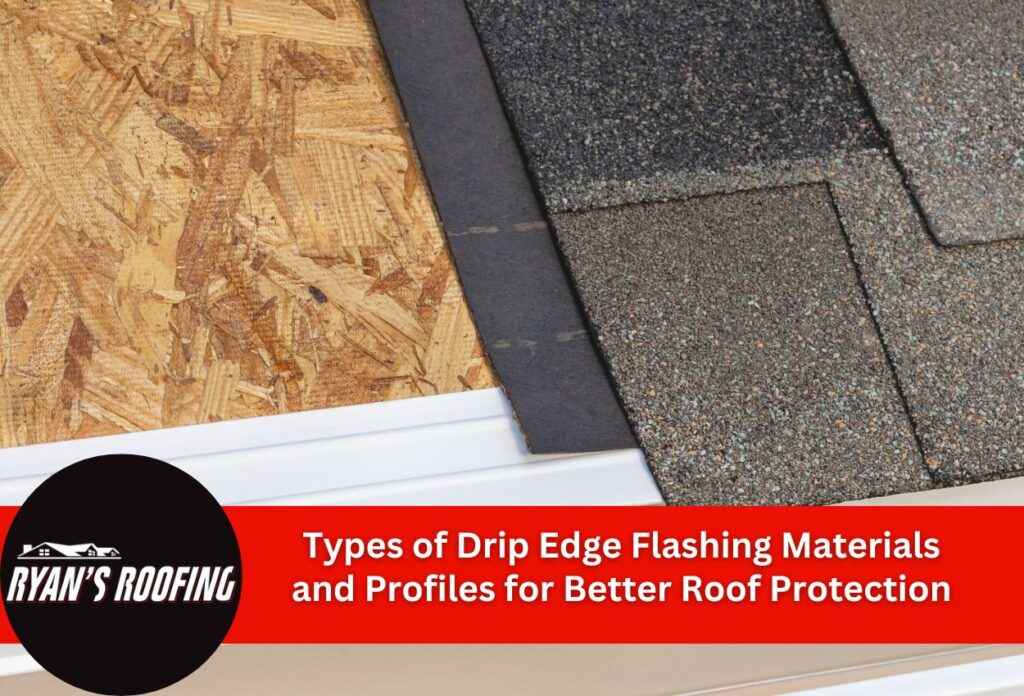

Drip edge flashing is one of the most overlooked yet crucial components of any roofing system. This thin metal strip, installed along roof edges, creates a protective barrier that directs water away from fascia boards, soffits, and the underlying roof structure. Without proper drip edge protection, water can seep beneath shingles and cause extensive damage to wooden components, leading to rot, mold growth, and expensive structural repairs. Homeowners should also watch for roof flashing repair signs, such as water stains, loose or damaged flashing, and moisture intrusion around vulnerable roof areas.
The effectiveness of roof edge protection depends heavily on selecting the appropriate type of drip edge flashing for specific roofing conditions and climate requirements. Different drip edge materials offer varying levels of durability, corrosion resistance, and thermal expansion properties.
Modern drip edge profiles come in several distinct configurations, each designed to address specific water management challenges. From standard L-shaped designs to more complex T-style and hemmed variants, the profile selection impacts both water diversion efficiency and installation requirements. Material choices typically include aluminum, steel, and copper options, with aluminum and steel being relevant for most residential applications. The right combination of material and profile ensures optimal performance while complementing the overall roofing system design.
Popular Drip Edge Materials and Their Benefits
Aluminum represents the most widely chosen option among drip edge materials due to its exceptional balance of performance and practicality. This lightweight material offers superior corrosion resistance, making it ideal for regions experiencing heavy rainfall, snow, and temperature fluctuations. Aluminum maintains its structural integrity across diverse climate conditions without adding significant weight to the roof structure. The material’s natural oxide coating provides long-term protection against rust and deterioration, ensuring reliable roof edge protection for decades.
Steel delivers enhanced durability and advantages that make it particularly valuable for applications requiring robust structural support. When comparing an aluminum vs. steel drip edge options, steel demonstrates superior resistance to physical damage from falling debris, hail, and extreme weather conditions. The increased thickness and density of steel drip edge profiles provide additional reinforcement along vulnerable roof edges, making them especially suitable for commercial applications or residential properties in areas prone to severe weather.
Both materials accommodate various drip edge profiles while supporting effective metal drip edge installation techniques. Steel options typically feature galvanized or painted coatings that prevent corrosion, though they require more careful handling during installation due to their increased weight. The choice between these types of drip edge flashing ultimately depends on specific performance requirements, local climate conditions, and the overall roofing system.
Common Drip Edge Profile Shapes and Designs
L-shaped drip edge profiles represent the most fundamental and widely used design among types of drip edge flashing. This standard configuration features a horizontal leg that extends under the roofing material and a vertical leg that directs water away from the fascia board. The simple L-shape design provides reliable roof edge protection for most residential applications, particularly on homes with standard eave and rake configurations.
The positioning of L-shaped drip edge materials creates an effective barrier that prevents water from reaching wooden fascia boards and underlying roof decking. This profile works exceptionally well on properties with straightforward roofline constructions and moderate rainfall patterns. The horizontal portion typically extends 2 to 3 inches under the roofing material, while the vertical section hangs approximately 1 inch below the roof deck edge.
T-shaped and specialty drip edge profiles offer enhanced water diversion capabilities for challenging roofing situations. These advanced designs incorporate additional flanges or extended lips that create superior water channeling compared to standard L-shaped options. T-style profiles feature a horizontal extension that provides increased coverage, making them ideal for areas experiencing wind-driven rain or ice dam formation. When evaluating aluminum and steel drip edge options for specialty profiles, the material choice often depends on the specific structural requirements and expected weather exposure.
The Comparison Between Aluminum and Steel Drip Edges
Performance differences between aluminum and steel drip edge materials reveal distinct advantages for each option based on specific environmental conditions and longevity. Aluminum demonstrates exceptional weather resistance through its natural corrosion-fighting properties, maintaining structural integrity even after decades of exposure to moisture, salty air, and temperature fluctuations. The material’s lightweight composition reduces stress on roof structures while providing consistent performance across various drip edge profiles. Steel drip edge offers superior impact resistance and durability against physical damage, making it particularly valuable in areas prone to hailstorms or falling debris.
Maintenance requirements differ significantly between these drip edge materials, with aluminum options requiring minimal ongoing care due to their self-protecting oxide layer. Steel variants may need periodic inspection for coating damage or rust development, especially in coastal environments or regions with exposure to acid rain. Both materials support effective metal drip edge installation processes, though steel’s increased weight may require additional fastening considerations during roof edge protection projects.
Cost considerations for aluminum and steel drip edge selection go past initial material expenses to encompass long-term value. While aluminum typically offers lower upfront costs and reduced installation labor due to easier handling, steel provides enhanced longevity in high-stress applications. The investment benefits of each material depend on local climate conditions, roof design complexity, and expected service life requirements for the overall roofing system.
Proper Installation Techniques for Metal Drip Edge
Successful metal drip edge installation begins with a thorough roof edge assessment and precise measuring to ensure the best performance of any drip edge materials selected. The roof deck must be inspected for structural soundness, with any damaged or rotted sections repaired before installing drip edge profiles. Accurate measurements along all eaves and rake edges determine the quantity of material needed, while accounting for overlap requirements at joints and corners. Essential tools include aviation snips, hammer, measuring tape, chalk line, and appropriate fasteners designed for the specific types of drip edge flashing being installed.
Proper positioning requires the horizontal leg to extend under the roof underlayment at eaves and over the underlayment at rake edges, creating effective water diversion channels. The drip edge should project approximately 1 inch beyond the fascia board to ensure water drops clear the structure entirely. Fastening methods involve securing the material every 12 to 16 inches using roofing nails or screws, positioned to avoid interference with shingle installation while maintaining secure attachment.
Common installation mistakes include inadequate overlap at joints, improper fastener placement, and incorrect positioning relative to underlayment layers. These errors compromise roof edge protection effectiveness and can lead to water infiltration problems. Whether working with aluminum or steel drip edge materials, maintaining consistent positioning and proper fastening ensures the system performs as designed throughout varying weather conditions and seasonal temperature changes.
How Drip Edge Flashing Protects Your Roofing Structure
Drip edge flashing creates a critical water management system that prevents moisture infiltration into vulnerable structural components. The flashing directs rainwater and melting snow away from fascia boards, preventing the wood rot and deterioration that commonly occurs when water pools along roof edges. This protective barrier extends beyond the roof deck, ensuring water droplets fall clear of the building rather than running down exterior walls or collecting near the foundation. Different types of drip edge flashing provide varying levels of protection, with properly selected drip edge materials offering decades of reliable moisture control.
Long-term structural benefits extend well beyond immediate water diversion, as effective roof edge protection prevents the problems that result from moisture infiltration. Without adequate drip edge installation, water creates ideal conditions for mold growth within wall cavities and attic spaces. The protection also reduces ice dam formation by maintaining proper water flow patterns during freeze-thaw cycles. Whether choosing aluminum or steel drip edge options, the investment in quality metal drip edge installation protects the entire roofing system and underlying structure from progressive moisture damage that can compromise building integrity over time.
Choosing the Right Type of Metal for Your Project
Selecting appropriate drip edge materials requires careful evaluation of local climate patterns and environmental exposure conditions that directly impact long-term performance. Properties in coastal areas benefit from aluminum due to its superior saltwater corrosion resistance, while inland locations experiencing severe weather may require steel options for enhanced impact protection. Temperature fluctuations affect material expansion and contraction, making aluminum vs. steel drip edge considerations particularly important for regions with extreme seasonal variations.
Wind-driven rain patterns influence the selection of drip edge profiles, with T-shaped designs providing better water diversion in areas prone to severe storms. Snow load requirements may necessitate stronger steel materials to support ice accumulation without deformation. Properties with significant tree coverage benefit from more robust types of drip edge flashing that resist damage from falling branches and debris. Local building codes often specify minimum requirements for roof edge protection based on regional weather data and historical performance standards.
Professional consultation provides valuable expertise when complex factors influence material selection and installation requirements. Experienced roofing contractors assess individual property conditions, existing roofs, and long-term maintenance considerations to recommend the best solutions. Professional evaluation ensures proper integration with existing roofing systems while meeting warranty requirements. Expert guidance is particularly beneficial when dealing with unusual roof geometries, historic properties, or specialized architectural features that require custom drip edge solutions. Professional metal drip edge installation guarantees proper positioning, fastening, and weather sealing that maximizes the protective benefits of any selected system.
Protect Your Home with Reliable Drip Edge Flashing from Ryan’s Roofing LLC
Choosing the right type of drip edge flashing is important for safeguarding your home against water damage and ensuring your roof’s longevity. At Ryan’s Roofing LLC, we specialize in providing top-quality drip edge materials, residential roofing services, and expert installation services tailored to your specific needs. Whether you’re considering aluminum for its corrosion resistance or steel for its superior strength, our skilled team is here to guide you through the selection process.
Don’t wait until it’s too late to protect your roof. Call us today at (717) 608-1587 to schedule a consultation and learn more about our durable and effective drip edge solutions. Let Ryan’s Roofing LLC help you make the best choice for your home’s protection and peace of mind.