


 GET FREE ROOF ESTIMATE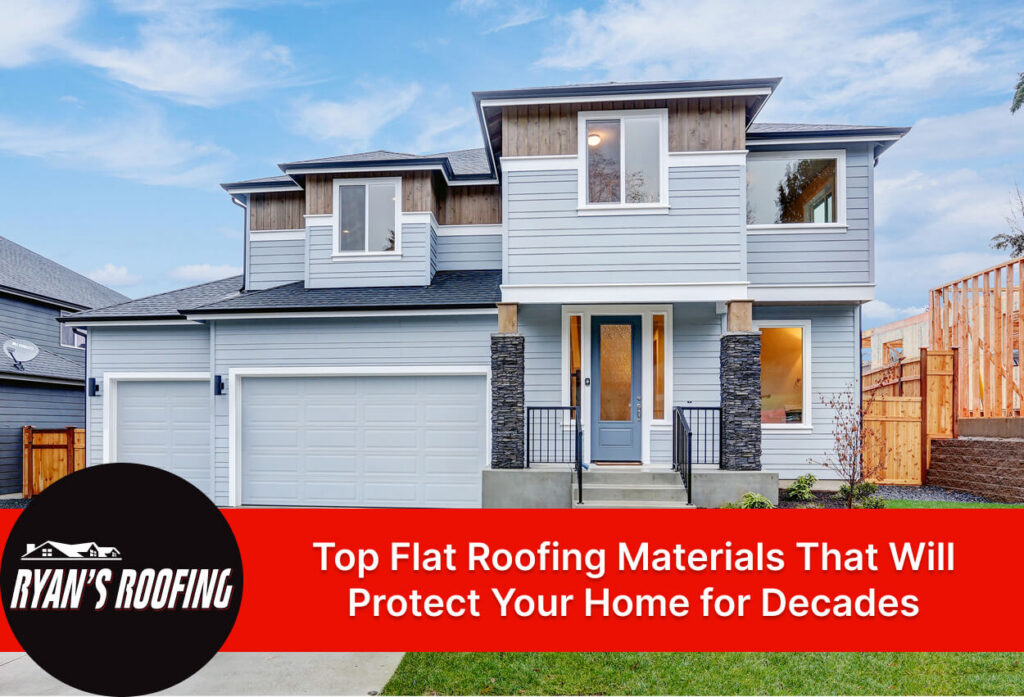
Flat roofs present both challenges and opportunities for homeowners. Unlike traditional sloped roofing systems, residential flat roofing systems require specialized materials designed to withstand standing water, temperature fluctuations, and constant exposure to UV rays. The best materials for residential flat roofs combine durability, weather resistance, and longevity to create a protective barrier that can last decades with proper maintenance.
Modern flat roof membranes have evolved over the years, offering homeowners several high-performance options. EPDM rubber membranes provide excellent flexibility and weather resistance, while TPO roofing systems deliver energy efficiency through their reflective surfaces. The EPDM vs. TPO roofing system debate often centers on specific weather conditions, installation requirements, and long-term performance expectations.
Selecting the right durable flat roofing materials depends on several critical factors. Climate conditions directly impact material performance, with some membranes excelling in extreme temperatures while others perform better in moderate environments. Budgets should include both initial installation costs and long-term maintenance expenses. Plus, professional flat roof installation methods are crucial for maximizing the material’s performance and extending the lifespan of the roofing system. Understanding these variables helps homeowners choose a flat roofing material that protects their property and provides reliable shelter for years to come.
EPDM Rubber Roofing Systems: Flexible and Affordable
EPDM rubber membranes stand as one of the most proven flat roof membrane types available to homeowners today. These synthetic rubber systems are exceptionally flexible, meaning they expand and contract without cracking or splitting. This inherent flexibility makes EPDM particularly effective in climates with significant temperature variations, where thermal movement can stress rigid roofing materials.
The weather resistance of EPDM rubber membranes extends beyond simple waterproofing. These durable flat roofing materials resist UV radiation, ozone exposure, and extreme weather conditions that typically degrade other roofing systems. EPDM has maintained its position among the best materials for residential flat roofs through decades of field-tested performance, with many installations lasting 20 to 30 years or more.
During installation, EPDM systems require extra attention to deck preparation and seaming techniques. Regular maintenance for EPDM roofs involves periodic inspections of seams and rooftop equipment, along with cleaning to remove debris that could cause ponding water. Overall, EPDM typically offers superior longevity and easier repairs, making it an attractive choice when long-term performance takes priority over initial installation costs.
TPO Membrane Roofs: Modern Solutions for Homes
TPO roofing systems have emerged as leading contenders among the best materials for residential flat roofs due to their exceptional energy efficiency. The highly reflective white surface of TPO membranes effectively redirects solar heat away from the building, significantly reducing the need for air conditioning during the hot summer months. This reflective technology can lower interior temperatures by several degrees compared to darker roofing materials, translating to substantial energy savings and reduced environmental impact over the membrane’s lifespan.
The durability of TPO membranes makes them suitable for diverse residential environments. These single-ply roofing systems are resistant to chemicals, including oils, greases, and industrial pollutants that can degrade other flat roof membrane types. TPO’s inherent flexibility allows it to accommodate structural movement and thermal cycling without compromising the waterproof barrier, while its puncture resistance helps maintain integrity even under challenging conditions. The material’s resistance to bacterial growth and plant roots makes it a smart choice for applications where organic contamination could be problematic.
When evaluating TPO for residential flat roofing systems, homeowners benefit from the material’s heat-welded seams that create watertight bonds stronger than the membrane itself. This advanced seaming technology eliminates many of the failure points common in other flat roofing materials. Plus, TPO installation typically requires less labor than comparable systems, and the membrane’s lighter weight reduces structural load requirements.
Modified Bitumen: Reliable Flat Roof Protection
Modified bitumen roofing systems excel through their multi-layer construction that delivers superior waterproofing performance for residential flat roofs. These systems combine traditional asphalt with polymer modifiers, creating a flexible membrane that maintains excellent adhesion properties across varying temperature ranges. The multi-layered approach typically involves a base sheet, reinforcing plies, and a cap sheet, with each layer contributing specific protective qualities to the overall roofing system.
The enhanced waterproofing capabilities of modified bitumen result from its self-healing properties and redundant protection layers. When minor punctures or thermal stress occur, the modified asphalt compound can easily be heated to seal small openings, preventing water infiltration that could compromise other flat roof membrane types. This ease of repair makes modified bitumen particularly valuable for areas prone to hail damage or where foot traffic is common.
Installation methods for modified bitumen systems include both torch-applied and cold-applied techniques. Torch-applied installations create superior adhesion between layers through heat-activated bonding, resulting in exceptional wind resistance and longevity. Cold-applied methods utilize specialized adhesives and eliminate fire hazards during installation, making them suitable for buildings with strict safety requirements. The choice between these flat roof installation methods depends on building codes, weather conditions during installation, and specific performance requirements. Both approaches can achieve 15 to 20-year lifespans when properly installed and maintained.
Built-Up Roofing Systems: The Traditional Choice
Built-up roofing systems represent time-tested technology that continues to deliver exceptional performance among the best materials for residential flat roofs. These traditional multi-ply systems create robust waterproof barriers through multiple layers of reinforcing felt combined with hot asphalt or coal tar pitch. Each layer adds strength and redundancy to the overall membrane, creating a roofing system that can withstand decades of weather exposure while maintaining its integrity.
The multi-ply construction technique begins with a base layer of felt that adheres directly to the roof deck, followed by alternating layers of bitumen and reinforcing materials. This building process creates a monolithic membrane typically ranging from three to five plies, depending on the specific application requirements. The redundant layer system ensures that even if one ply is damaged, multiple backup layers continue protecting the structure below. This layered approach makes built-up roofing systems effective for buildings requiring maximum weather protection.
Gravel surfacing provides essential protection for built-up roofing systems by shielding the underlying membrane from UV radiation, mechanical damage, and thermal shock. The aggregate layer also helps prevent wind uplift by adding ballast weight and creates a fire-resistant surface that enhances building safety. Alternative protective coatings, including reflective aluminum coatings and elastomeric surface treatments, extend roof life by reducing thermal cycling and providing additional waterproofing protection. These protective measures significantly enhance the longevity of residential flat roofing systems while reducing maintenance requirements over the membrane’s service life.
Bonus Option: Liquid Roofing Membranes for Seamless Coverage
Liquid roofing membranes offer many advantages for residential flat roofing systems through their ability to create completely seamless waterproof surfaces. While not technically a material option, these membranes are applied over an existing flat roof, sealing any gaps and restoring the surface. Unlike traditional flat roof materials that have seams and overlapping sections, liquid membranes cure in place to form a monolithic barrier without any vulnerable connection points. This seamless application eliminates the primary failure locations found in other flat roofing materials, where water infiltration typically begins at membrane joints or rooftop equipment.
The application benefits extend beyond simple waterproofing to include its ability to conform around complex roof details, equipment, and irregular surfaces. Liquid membranes flow into every corner, crack, and detail, creating continuous protection. This adaptability makes liquid-applied systems a good option for roofs with multiple pipes and vents, HVAC equipment, or architectural features. The ability to apply these coatings over existing roofing materials also means roofs can be restored without a complete replacement.
Liquid membrane systems typically need reapplication every 5 to 10 years, depending on weather conditions and membrane type. Regular inspections should focus on surface wear patterns, ponding water areas, and high-traffic zones where coating thickness may diminish over time. Periodic cleaning and minor touch-up applications help maximize system lifespan and maintain optimal performance. When properly maintained, liquid-applied membranes are a good option for residential flat roofs due to their ability to restore waterproofing integrity through simple recoating.
Choosing the Right Installation Method for Your Roof
The installation method selected for residential flat roofing systems significantly impacts its long-term performance and durability. Mechanical fastening and fully adhered systems are the two primary approaches, each having advantages for different building conditions and climates.
Mechanical fastening systems secure membranes to the roof deck using specialized fasteners and plates, creating reliable attachment points while allowing some membrane movement during thermal cycling. This installation approach performs exceptionally well in high-wind areas where uplift resistance is critical. However, these installations require careful attention to fastener placement and spacing to prevent stress concentrations that could compromise the membrane over time.
Fully adhered systems bond the membrane directly to the substrate using contact adhesives or heat-activated bonding agents. This installation method creates uniform attachment across the entire membrane surface, eliminating potential failure points associated with fasteners. Fully adhered installations typically provide superior performance in extreme temperature conditions, as the continuous bonding prevents thermal movement that could stress mechanically fastened systems. The adhesive bond also creates additional waterproofing redundancy, which is especially useful for flat roof membranes where preventing leaks remains the primary concern.
Professional installation requirements extend beyond basic application techniques to encompass comprehensive quality control measures that ensure optimal system performance. Certified installers understand how to prepare the roof deck, environmental conditions affecting installation, and proper handling procedures for different durable flat roofing materials. Quality control measures include moisture testing, surface preparation verification, and installation documentation that validates proper procedures were followed throughout the project. These professional standards help maximize the performance potential of flat roofing materials while ensuring warranty compliance and long-term reliability.
Discover the Best Materials for Residential Flat Roofs with Ryan’s Roofing LLC
When considering the best materials for your residential flat roof, it’s crucial to choose options that offer both durability and efficiency. From traditional built-up roofing systems, known for their robust waterproof barriers, to reliable modified bitumen, the choice impacts your home’s protection and energy consumption. Additionally, advanced materials like TPO and EPDM not only ensure a long-lasting roof but also contribute to lower cooling costs thanks to their reflective properties.
If you’re planning a roofing project, don’t compromise on quality. Let Ryan’s Roofing LLC guide you through selecting the perfect material suited to your home’s needs and local climate. Call us today at (717) 608-1587 to discuss your options and ensure your home benefits from top-tier materials and installation services.