



 GET FREE ROOF ESTIMATE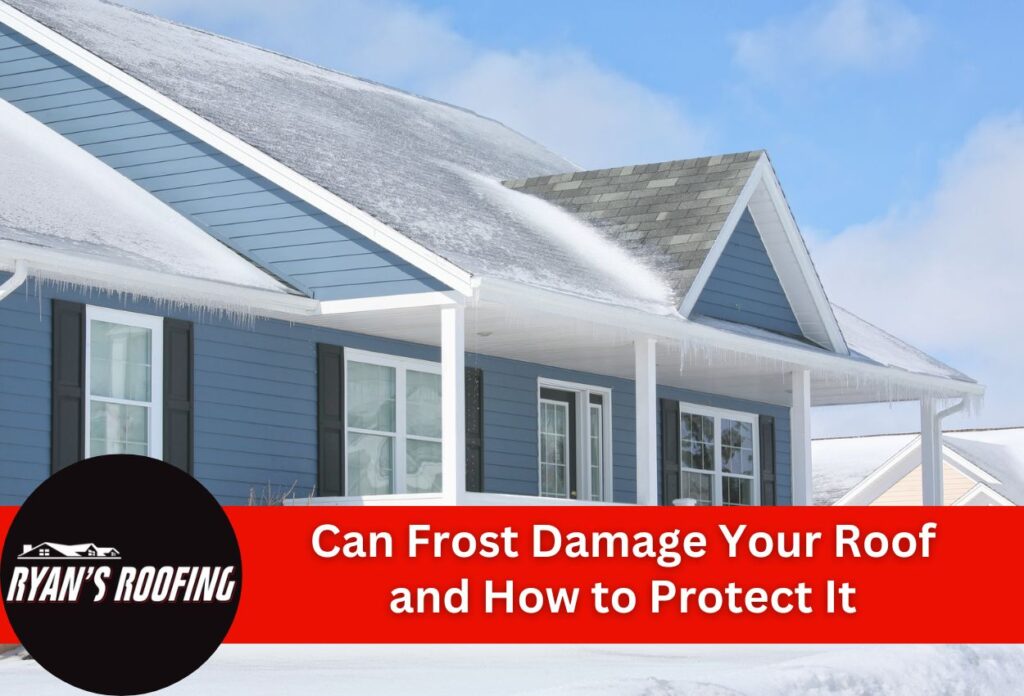
Frost damage to your roof can occur silently throughout Pennsylvania’s harsh winter months, creating serious structural problems that many homeowners never see coming. When temperatures drop below freezing, moisture in the air crystallizes and forms ice particles that settle on shingles, gutters, and other roofing materials. This seemingly harmless process can trigger a destructive cycle that weakens your roofing system.
Ice formation on roof surfaces happens when water vapor condenses and freezes during cold nights, then melts during warmer daytime hours. This freeze-thaw pattern repeats constantly throughout winter, causing roofing materials to expand and contract. Asphalt shingles become brittle in freezing temperatures, making them prone to cracking and splitting. Metal components like flashing and gutters also suffer as ice crystals force their way into small gaps and crevices.
The most vulnerable roof components include shingle edges, valleys where two roof planes meet, gutters, downspouts, and areas around chimneys or vents. These spots collect moisture more readily and experience temperature fluctuations that accelerate damage. Preventing winter roof damage starts with recognizing how frost transforms from a minor weather event into a major roofing threat that can compromise your home.
The Science Behind Freeze-Thaw Damage on Roofing Materials
Understanding how freeze-thaw roof damage occurs requires examining the physical forces at work during winter weather cycles. When water freezes, it expands, creating tremendous pressure that can crack even the most durable roofing materials. This expansion force generates up to 2,000 pounds of pressure per square inch, easily splitting shingles and forcing apart joints in flashing systems.
Ice formation on roof surfaces begins when moisture seeps into small cracks or seams in roofing materials. As temperatures drop overnight, this trapped water freezes and expands, widening existing gaps and creating new fractures. During the day, when temperatures rise, the ice melts and allows more water to go deeper into the openings. This relentless cycle of expansion and contraction gradually destroys the integrity of shingles, gutters, and flashing.
Frost damage to shingles is generally more severe because asphalt materials lose flexibility in cold temperatures. What starts as hairline cracks from initial frost exposure develops into significant splits after repeated freeze-thaw cycles. Metal components face similar challenges as ice formation forces apart seams and connections. The cumulative effect of these repeated cycles throughout winter creates progressive deterioration that often goes unnoticed until spring inspections reveal extensive damage requiring professional roof repairs.
Common Types of Frost Damage Every Homeowner Should Recognize
Frost damage to shingles often appears in several patterns that homeowners can spot during regular roof inspections. Curling occurs when repeated freeze-thaw cycles cause shingle edges to lift and bend upward, creating gaps where wind and moisture can get beneath the roofing surface. Cracking appears as horizontal or vertical splits across individual shingles, often starting small but expanding with each subsequent frost. Granule loss becomes evident when ice crystals dislodge the protective mineral coating from asphalt surfaces, leaving bare spots vulnerable to UV damage and accelerated deterioration.
Preventing winter roof damage requires recognizing early warning signs before problems become severe. Homeowners should watch for granules in gutters, broken shingles, and water stains on exterior walls near roof connections. These symptoms indicate that freeze-thaw roof damage has already begun compromising the roofing system’s ability to shed water effectively.
Why Some Roofs Handle Frost Better Than Others
Different roofing materials have varying levels of resilience against frost. Asphalt shingles, while popular and affordable, become brittle in freezing temperatures and suffer more extensive frost damage compared to other materials. The petroleum-based composition loses flexibility when exposed to repeated freeze-thaw cycles, causing cracks and splits in the material.
Metal roofing systems generally have more resistance against ice formation on roof edges due to their smooth finish and thermal properties. Snow and ice slide off more readily, reducing the accumulation that leads to roof damage. Clay and slate tiles offer excellent durability but require proper installation to prevent water infiltration at connection points, where frost can cause significant structural damage.
Proper installation techniques play an equally important role in frost resistance regardless of material choice. Roofs installed with adequate ventilation, flashing, and correct shingle overlap patterns handle winter weather more effectively. Older roofs become increasingly vulnerable as protective coatings deteriorate and small gaps develop over time. These factors allow moisture deeper into roofing systems, where frost expansion is even more destructive. Professional installation with close attention to local weather conditions significantly improves any roof’s ability to withstand Pennsylvania’s harsh winters and reduces long-term maintenance requirements.
Seasonal Maintenance Steps to Minimize the Risk of Frost Damage
Proactive maintenance during autumn provides the most effective defense against frost damage to shingles and other roofing components. Fall preparation should begin in early October, before temperatures in Pennsylvania drop below freezing. Cleaning gutters removes leaves and debris that trap moisture and create ice dams during winter. Downspouts must flow freely to prevent water backup that leads to damage along the roof edges.
Inspecting shingles during the fall can reveal existing damage that frost will worsen throughout winter. Loose or cracked shingles create leaks that become even more destructive when ice formation occurs during cold snaps. Missing granules indicate shingle deterioration that accelerates under frost. Flashing around chimneys and vents should be carefully examined, as these areas collect moisture and experience severe temperature fluctuations.
Monitoring the roof throughout the winter involves regular visual checks from ground level after each major storm. Homeowners should watch for ice buildup along roof edges, sagging gutters, and icicle formation that signals drainage problems. These early warning signs allow intervention before roof damage becomes extensive. Professional roof inspections during mild days can identify developing problems and implement winter roof damage prevention measures, which prevent minor frost exposure from requiring extensive repairs when spring arrives.
When Frost Damage Requires Professional Roof Repair
Recognizing when frost damage to shingles has escalated beyond routine maintenance requires understanding specific warning signs that indicate structural compromise. Sagging sections of the roof, visible gaps between shingles, and water stains appearing inside the home signal that damage has gotten past the protective barrier. Multiple missing shingles after winter storms suggest that frost weakening has compromised the entire section’s integrity. When granule loss covers a significant portion of visible shingle surfaces, the remaining material lacks sufficient protection against further deterioration.
Ice formation on roof systems becomes dangerous when it adds more weight than the design permits. Thick ice buildup along gutters and roof edges adds significant weight that can damage support structures. Interior water damage from ice dams indicates that the roofing system has failed in its primary function of keeping moisture outside. Cracked or separated flashing around chimneys and vents allows continuous water infiltration that will worsen with each freeze-thaw cycle.
Emergency repairs become necessary when frost damage threatens immediate safety or continuously allows water into living spaces. A professional evaluation helps determine whether temporary measures can protect the home until comprehensive repairs are possible, or if immediate intervention prevents further structural damage. Experienced roofing contractors can assess the extent of winter roof damage and prioritize repairs that restore the roof’s protective function while planning the restoration of frost-damaged components.
Long-Term Protection Strategies for Pennsylvania’s Winter Weather
Implementing comprehensive winter roof damage prevention strategies requires addressing the root causes that make roofs vulnerable to frost damage in Pennsylvania’s challenging climate. Preventive measures focus on controlling temperature differentials and moisture levels that create conditions for destructive ice buildup. These long-term approaches are usually less expensive than repeatedly repairing frost damage after each winter.
Improved attic ventilation is one way to prevent freeze-thaw roof damage by maintaining consistent temperatures across the entire roof surface. Proper ventilation systems include adequate intake vents along the eaves and exhaust vents near the ridge, creating continuous airflow that prevents warm air from melting snow unevenly. This balanced ventilation eliminates the temperature variations that cause ice dams and reduces moisture accumulation that leads to frost formation in vulnerable areas.
Insulation works alongside ventilation improvements to minimize heat transfer from interior spaces to the roof deck. Sufficient insulation prevents warm air from creating hot spots that melt snow during the day, only to refreeze at night and cause expansion damage. Professional insulation upgrades typically include sealing air leaks around vents and pipes and ensuring consistent coverage across the entire attic floor. These combined improvements limit the conditions that allow frost to damage roofing materials throughout the winter months.
Regular inspections catch developing problems before they escalate into major structural issues. Bi-annual professional inspections during spring and fall identify wear, material deterioration, and maintenance needs specific to each roof’s unique exposure conditions. Maintenance routines that take care of small issues promptly prevent extensive damage during Pennsylvania’s harsh winters.
Protect Your Home from Winter Woes with Ryan’s Roofing LLC
As winter approaches, the risk of frost damage to your roof increases significantly. Frost can lead to severe issues shingle damage and compromised structural integrity. If you’ve noticed signs of wear like cracked or curling shingles or if you’re concerned about potential frost damage, it’s crucial to take action now to prevent expensive repairs later.
Don’t let frost wreak havoc on your roofing system. Ryan’s Roofing LLC specializes in diagnosing and repairing frost damage to ensure your roof remains in good condition throughout Pennsylvania’s harsh winters. Call us today at (717) 608-1587 to schedule a thorough roof inspection and maintenance check before winter fully sets in. Secure your roof, protect your home, and rest easy knowing Ryan’s Roofing LLC has you covered.
Related Articles
-
 November 7, 2024Essential Tips for Maintaining Your Roof This WinterConcerned about winter roof damage? Get key tips to safeguard your Harrisburg, PA roof this season.
 -
 February 9, 2024Combatting Winter Woes: Proactive Measures Against Ice Dams on Your RoofTired of ice dams on your roof? Learn how to prevent them with insulation, ice melt systems, gutter heating cables, and more!
 -
 November 18, 2025Why Commercial Flat Roofs Are Ice Dam Magnets and What You Need to KnowConcerned about ice dams on your commercial flat roof? Discover prevention tips, warning signs, and safe removal methods.
Protect Your Home with Expert Roofing
Don’t wait for leaks or storm damage to cause costly repairs. Our experienced roofing team provides fast, reliable service, high-quality materials, and lasting results. Ensure your home stays safe, secure, and looking great—contact us today for a free estimate.