

 GET FREE ROOF ESTIMATE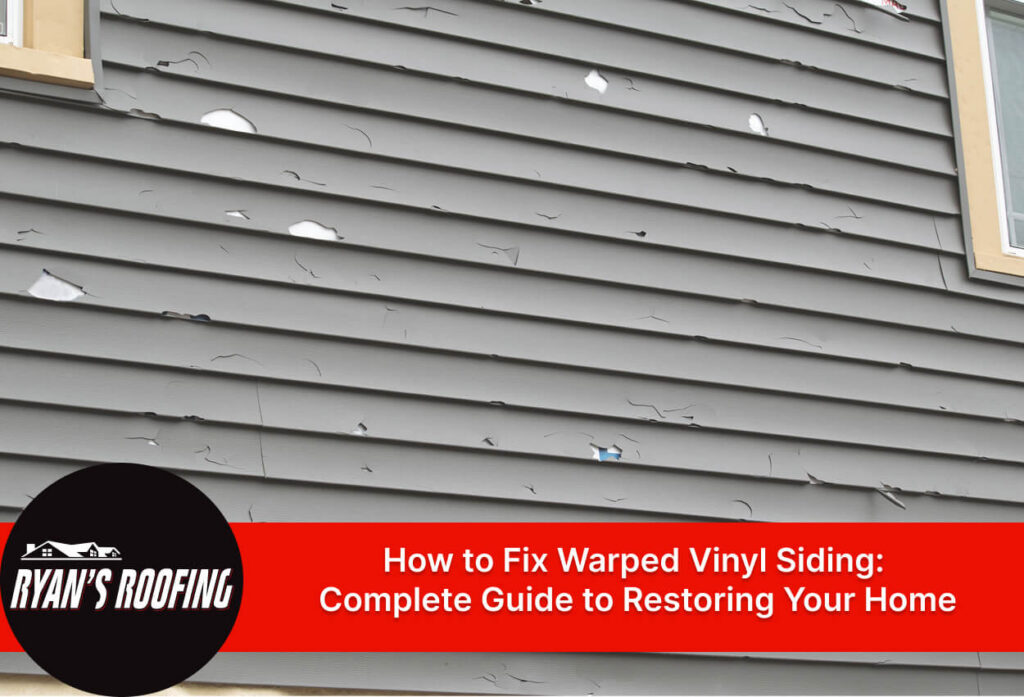

Warped vinyl siding can turn an attractive home exterior into an eyesore that affects both curb appeal and property value. Heat damage, poor installation, and natural settling commonly cause vinyl siding panels to buckle, bow, or twist out of their original shape. Understanding how to fix warped vinyl siding helps homeowners fix these issues before they worsen and potentially compromise the home.
Most warping occurs when siding expands and contracts due to temperature changes, particularly during hot summer months. Grills, fire pits, and reflected sunlight from windows frequently create localized heat damage that causes panels to distort. Poor nailing techniques during initial installation can also restrict natural movement, leading to buckling and warping over time.
The decision between vinyl siding repair and complete replacement depends on the extent of damage and the age of existing materials. Minor warping often responds well to targeted repair methods, while severe distortion across multiple panels may need to be replaced.
Successful vinyl siding maintenance requires specific tools and materials designed for working with this particular exterior material. Early intervention prevents small problems from spreading to adjacent siding sections. The causes of warped siding vary, but most repair situations follow similar approaches that restore both function and appearance to damaged panels.
Why Vinyl Siding Warps and How to Spot the Warning Signs Early
Understanding the causes of warped siding helps homeowners identify potential problems before they require extensive repair. Heat damage ranks among the most common culprits, occurring when temperatures exceed vinyl’s tolerance threshold of approximately 165 degrees Fahrenheit. Barbecue grills positioned too close to exterior walls create concentrated heat zones that cause panels to soften and distort. Air conditioning units with inadequate clearance can reflect heat back onto siding surfaces, while direct sunlight amplified by reflective surfaces like windows intensifies thermal stress on vinyl panels.
Installation errors are another category of warping issues that develop over time. When contractors nail siding too tightly or fail to account for thermal expansion, panels cannot move naturally with temperature changes. This restriction forces the material to buckle outward or create wave-like distortions along panel lengths. House settling compounds these stresses by shifting the framework that supports siding attachment points.
Early warning signs include slight outward bowing along panel edges, gaps between overlapping sections, and subtle color changes where heat damage begins. Small bubbles or raised areas often appear before major distortion becomes visible. Homeowners who notice these symptoms can explore siding replacement options or targeted repairs before problems spread to adjacent panels, making the solution manageable and cost-effective.
Step-by-Step Method for Fixing Minor Warping Using Heat and Pressure
Repairing minor warping in vinyl siding requires careful application of controlled heat to soften the material without causing additional damage. Hair dryers provide the safest heating method for most vinyl siding repair projects, offering precise temperature control and reduced risk of overheating. Move the dryer continuously in sweeping motions to distribute heat evenly across the affected area. The vinyl becomes pliable, typically after a few minutes of consistent heating.
Heat guns offer more power for stubborn warping but require greater caution to prevent melting or scorching. It is generally recommended to use the lowest temperature setting and maintain constant motion to avoid concentrating heat in one spot. Test the material’s flexibility frequently by gently pressing the warped section with a gloved hand.
Once the vinyl becomes flexible, immediately begin reshaping the panel back to its original position. Apply steady, even pressure using a flat board or similar tool to distribute force across the entire warped section. Hold the corrected position while allowing the material to cool completely. Secure the panel in place using temporary supports or clamps during cooling to ensure permanent reshaping. This approach addresses heat-damaged siding effectively while preventing the need for complete replacement in most cases.
When to Replace Individual Panels Instead of Attempting Repairs
Severe warping typically requires panel replacement when heating and reshaping techniques are ineffective or when structural integrity becomes compromised. Panels with deep creases, multiple buckled sections, or cracks extending through the material cannot be restored through repair methods alone. When warping exceeds 2 inches of outward bow or creates permanent stress fractures, replacement is the most practical solution for maintaining proper weather protection and appearance.
A professional assessment helps determine whether vinyl siding repair is viable or if replacement provides better long-term results. Panels damaged by excessive heat often develop brittleness that makes them prone to future cracking, even after successful reshaping. Age also factors into replacement decisions, as older siding may lack the flexibility needed for effective repair techniques.
Removing damaged sections requires carefully disconnecting panels from the interlocking system that secures them together. Use a specialized siding removal tool to unlock the damaged panel from the section below without disturbing adjacent materials. Cut replacement panels to match existing dimensions, accounting for thermal expansion gaps at joints and corners.
New panels should blend invisibly with surrounding materials when installed correctly. This approach provides permanent solutions for heat-damaged siding while maintaining the home’s overall appearance and protection.
Professional Repair Techniques for Stubborn Heat-Damaged Sections
When standard repair methods fail to address severe warping, professional contractors use advanced techniques specifically designed for extensive damage. Professional-grade heaters provide precise temperature control while specialized clamps and flat plates apply consistent pressure across the entire panel length.
Certain warping situations indicate underlying structural problems that require a professional assessment. Foundation settling, framing movement, or moisture infiltration behind siding panels can create recurring warping issues that surface-level repairs cannot address permanently. Professionals identify these root causes and determine whether structural corrections must precede exterior vinyl siding maintenance work. Contractors can also detect hidden damage through thermal imaging and moisture detection equipment that reveals problems invisible to standard inspection methods.
Preventing Future Warping Through Smart Maintenance and Protective Measures
Strategically placing anything that generates heat prevents the thermal damage that commonly leads to vinyl siding repair needs. Barbecue grills should maintain a minimum distance of 10 feet from exterior walls, with additional clearance recommended for larger units or those producing higher temperatures. Portable heating devices, outdoor cooking equipment, and fire features require similar spacing considerations to avoid concentrated heat exposure that exceeds vinyl’s thermal tolerance. Air conditioning units and generators need adequate ventilation space that prevents hot exhaust from directing toward siding surfaces.
Reflective surfaces like windows, storm doors, and metal fixtures can amplify sunlight intensity and create unexpected hot spots that damage nearby panels. Installing awnings, planting strategic landscaping, or applying window film helps diffuse concentrated solar energy before it reaches critical temperatures. Regular inspection of these potential heat sources allows homeowners to identify and address problems before they cause warping.
Establishing consistent maintenance routines identifies developing issues while they remain manageable through simple interventions. Routine visual inspections should focus on areas near heat sources, south-facing walls, and locations where previous repairs occurred. Look for early signs, including slight panel separation, minor bowing, or color changes that indicate thermal stress. Annual professional inspections provide a comprehensive assessment of the siding’s overall condition and identify issues before they create significant damage.
Long-Term Care Tips to Keep Your Vinyl Siding Looking Great After Repairs
Proper vinyl siding maintenance following repairs ensures lasting results and prevents recurring warping issues. Seasonal care routines protect repaired sections while maintaining the overall integrity of the siding system. Spring inspections should focus on assessing damage caused by winter weather, checking for loose panels, gaps, or stress points that developed during freeze-thaw cycles. Summer maintenance emphasizes heat damage prevention, ensuring adequate clearance around grills and outdoor equipment while monitoring south-facing walls for early signs of warping. Following a routine of proper siding maintenance can help homeowners identify potential issues early and preserve the condition of repaired siding.
Cleaning repaired sections requires gentle methods that avoid stressing newly restored panels. Use soft brushes with vinyl-compatible cleaners, working from the bottom up to prevent streaking. Pressure washing should remain at low settings and at a distance from siding surfaces. Pay special attention to areas where panels meet, ensuring debris doesn’t accumulate and create moisture retention that could compromise repair work. Homeowners should also inspect adjacent areas, including soffits and fascia, and consider exterior soffit and fascia repair when signs of moisture damage, deterioration, or structural wear are discovered.
Understanding when minor touch-ups extend repair life versus planning for eventual replacement helps homeowners make informed decisions about their siding investment. Small color fading or minor loosening responds well to simple maintenance, while recurring warping or multiple panel issues may indicate the need for broader siding replacement options. Document repair locations and monitor their condition annually, noting any changes that may need professional attention.
Regular maintenance prevents recurring problems while preserving the appearance and function of the repair work for years to come.
Expert Vinyl Siding Repair Services in Harrisburg
If you’re struggling with warped vinyl siding, don’t wait until the damage worsens. Taking care of this issue quickly can save you from more extensive and expensive repairs down the line. At Ryan’s Roofing LLC, we specialize in both minor and severe vinyl siding repair. Whether it’s heat damage repair or full panel replacement, our skilled team is equipped to handle your needs effectively.
Warped siding not only affects your home’s aesthetic but can also lead to further structural damage if not addressed. Don’t compromise on the safety and appearance of your home. Call us today at (717) 608-1587 for a consultation or to schedule a repair service. We’re here to help restore your home’s siding to perfect condition.