

 GET FREE ROOF ESTIMATE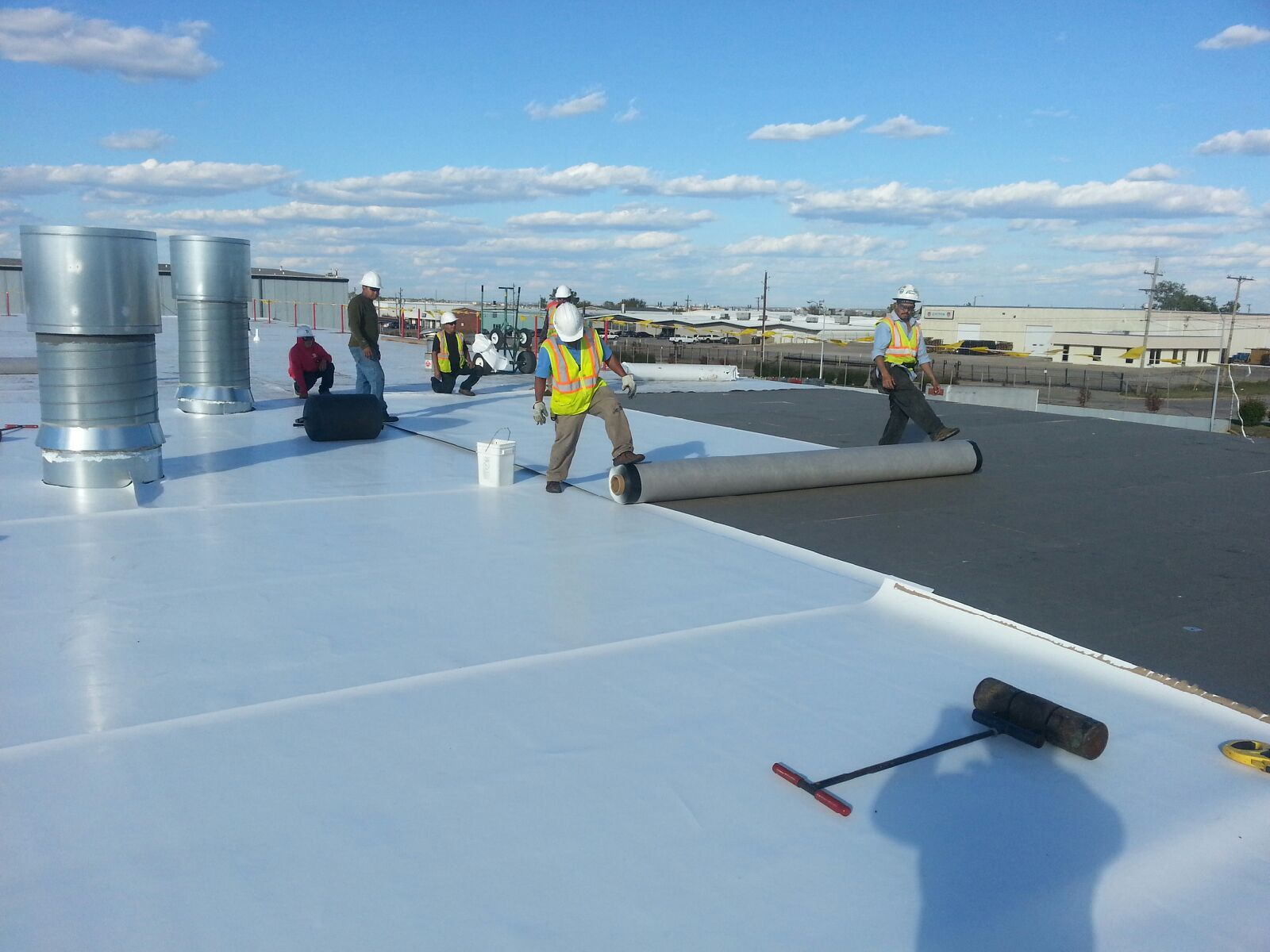
Contact us now and experience the difference of Ryan's Roofing. See what 75 years of combined experience in roofing does for you.
#1 Roofing Company
In Southern Pennsylvania
South-central Pennsylvania puts commercial roofs through a real workout. In the Middletown area, buildings face wet springs, humid summers, and winters that bring heavy snow, ice, and repeated temperature changes that stress membranes, open seams, and work flashing loose over time. Flat and low-slope roofs, which are common on warehouses, retail buildings, and office properties throughout Dauphin County, are especially vulnerable because they rely on drainage systems and sealed surfaces that degrade quietly. By the time a leak shows up inside your facility, the damage above it has usually been building for months.
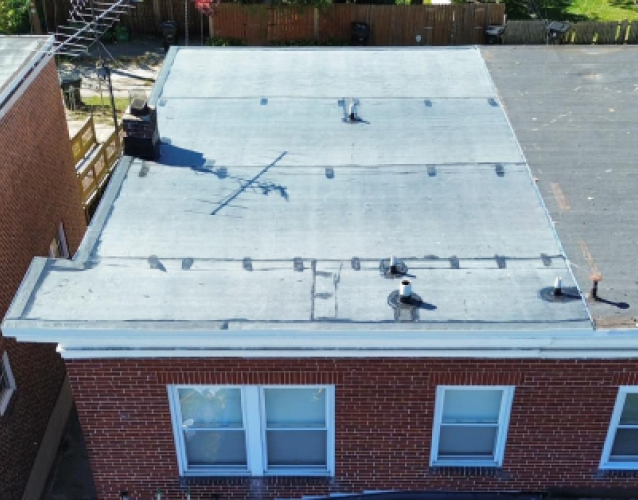
A professional commercial roof inspection gives you a clear picture of where your roof stands before small problems turn into expensive repairs. Ryan's Roofing LLC works with building owners and property managers across the Middletown area, inspecting membrane seams, flashing, gaps, drainage points, and rooftop equipment curbs to catch wear and vulnerabilities that are easy to miss from the ground. The goal is to keep your building protected and your tenants and operations uninterrupted, not to wait until water finds its way inside to take action.
Knowing what to expect from the outset makes commercial roof inspections easier to manage for building owners and property managers. This is how Ryan's Roofing LLC carries out a commercial roof inspection from initial coordination through final recommendations.
A complete commercial roof inspection covers a lot of ground, and knowing which areas receive the closest attention helps you understand the value of what you're getting. South-central Pennsylvania's repeated temperature changes put specific stress on certain roof parts, and those areas deserve careful attention every time.
Catching problems in these specific areas early keeps small repairs from turning into larger ones, and it gives you reliable documentation of your roof's condition for your facilities records.
After every inspection, you receive a written report with photos that documents exactly what we found, where we found it, and how serious each issue is. This gives your facilities team a concrete reference point and creates a record you can use for budgeting, planning, or future inspections.
HVAC curbs, vent stacks, skylights, and pipe boots are among the most frequent leak points on commercial roofs, and each one gets a close look at the sealant, flashing, and surrounding membrane. Catching a failing seal around a single gap early can prevent water from tracking into your facility and disrupting business operations.
On flat and low-slope roofs, standing water is one of the biggest threats to long-term membrane performance. We check drain openings, interior drains, scuppers, and low spots to confirm water has a clear path off your roof before heavy rain or snowmelt creates added stress on the surface.
Knowing when to schedule your next inspection matters as much as the inspection itself. We give you a practical recommendation on timing, typically spring and fall, so you can catch winter damage early and get ahead of the next round of weather before it has a chance to turn a minor issue into a larger repair.
South-central Pennsylvania's weather is hard on commercial roofs year after year. The combination of wet seasons, heavy snow, and repeated temperature changes that Dauphin County buildings endure adds up gradually, and flat or low-slope roofs absorb most of that stress in ways that are not visible until the damage is already significant. Scheduling a routine inspection in spring or fall gives you a clear picture of your roof's condition at the moments when it matters most, so small issues get addressed before they affect your building, your tenants, or your operating budget.
Ryan's Roofing LLC is here to help Middletown area building owners and property managers stay ahead of roof problems with thorough, honest inspections and straightforward recommendations. When you are ready to get a clear look at where your roof stands, reach out to our team, and we will get you scheduled at a time that works for your facility.
Contact us now and experience the difference of Ryan's Roofing. See what 75 years of combined experience in roofing does for you.

New Roofs Are Backed By 5-Year Warranty

We Offer Free Roof Inspection & Estimation