


 GET FREE ROOF ESTIMATE
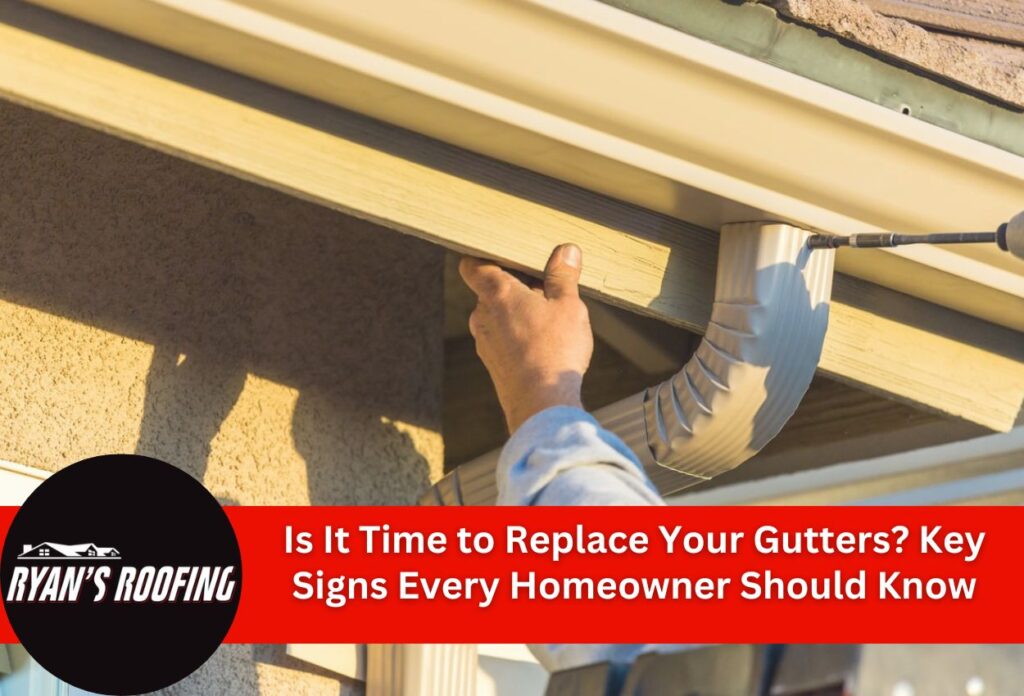
 Is It Time to Replace Your Gutters? Key Signs Every Homeowner Should Know
Your home’s gutter system works around the clock to protect your property from water damage, yet many homeowners overlook these essential components until problems show up. Functional gutters channel rainwater away from your foundation, walls, and roof, preventing expensive structural damage that can threaten your home’s structural integrity.
Most residential gutters have a typical gutter lifespan of 15 to 30 years, depending on the material and maintenance. However, harsh weather conditions, falling debris, and normal wear can accelerate deterioration, making it important to recognize when to replace gutters before minor issues become major expenses.
Identifying gutter replacement signs early can save thousands in foundation repairs, basement flooding, and exterior damage. Common indicators include visible rust or corrosion, frequent clogs, sagging sections, and water overflow during storms. Problems with old gutters often show up as peeling paint on your home’s exterior, erosion around the foundation, or water stains beneath the roofline.
The decision between damaged gutter repair or replacement depends on the extent of deterioration and the age of your current system. While minor repairs might seem cost-effective initially, aging gutters often require frequent fixes that add up over time. Understanding the warning signs helps homeowners make informed decisions about residential gutter replacement and protect their most valuable investment.
Visible Damage That Signals Gutter Replacement
Physical deterioration of your gutter system provides clear indicators when replacement becomes necessary, rather than attempting repairs. Cracks and holes in gutter sections allow water to escape, defeating the purpose of the entire drainage system. Even small fissures can expand rapidly during freeze-thaw cycles, transforming minor gutter replacement signs into major structural concerns.
Rust spots are another critical warning that gutters have reached the end of their useful life. While surface rust might appear manageable, it typically indicates deeper corrosion that compromises the metal. Separation at joints where gutter sections connect creates gaps that allow water to pour directly onto your foundation and landscaping.
Sagging gutters signal structural failure of the support system or the gutters themselves. When gutters pull away from the house or exhibit noticeable warping, the fasteners and brackets can no longer maintain proper positioning. This misalignment prevents effective water flow and creates standing water that accelerates deterioration.
These visible problems often indicate that damaged gutters repair or replacement decisions should favor complete replacement. Old gutter problems compound over time, and attempting to patch severely compromised sections rarely provides lasting solutions. When multiple sections show significant wear, residential gutter replacement becomes the most practical approach to restore proper drainage and protect your home’s foundation and exterior surfaces.
Water Problems Around Your Home
When gutters fail to function properly, water-related issues become evident throughout your property, creating telltale signs that indicate when to replace gutters. Water overflow during rainstorms is one of the most obvious signs that your gutters need replacement, as properly functioning gutters should contain and direct all rainfall away from your home’s structure.
Pooling water around your foundation creates serious concerns for homeowners, as this moisture can seep into basement walls and compromise structural stability. Failed gutters allow water to cascade directly from the roofline to ground level, saturating soil near the foundation and increasing hydrostatic pressure against basement walls. These persistent leaks often lead to basement flooding, mold growth, and foundation settling that requires expensive remediation.
Paint peeling and siding damage frequently result from water overflow caused by clogged or damaged gutter systems. When water spills over gutter edges, it runs down exterior walls, causing wood rot, paint blistering, and warped siding. These moisture issues create entry points for insects and allow leaks to form in wall cavities.
Landscape erosion around your home’s perimeter indicates that old gutter problems are directing water flow incorrectly. The decision to repair or replace damaged gutters becomes clear when flower beds wash away and soil erosion creates channels leading toward the foundation. Proper residential gutter replacement restores controlled water management, preventing these problems from compromising your property’s structural integrity and curb appeal over the typical gutter lifespan.
Age and Material Considerations for Gutter Systems
Different gutter materials have distinct lifespans, which help determine when to replace gutters based on age alone. Aluminum gutters typically last 15 to 20 years with proper maintenance, making them a popular choice for residential applications. Steel gutters can endure 20 to 30 years before showing significant wear, while vinyl systems generally require replacement after 10 to 20 years due to their susceptibility to temperature fluctuations and UV damage.
Weather conditions play a significant role in accelerating gutter deterioration beyond normal aging. Areas experiencing frequent freeze-thaw cycles undergo expansion and contraction, which weaken seams and create cracks. Heavy snow loads stress mounting systems, while intense summer heat can warp vinyl materials and fade protective coatings on metal gutters.
Maintenance history directly impacts how long gutters remain functional throughout their expected lifespan. Systems that receive regular cleaning and minor repairs typically reach their full potential, while neglected gutters develop issues years earlier than anticipated. Accumulated debris causes standing water that accelerates rust formation in steel systems and creates stress points in aluminum materials.
When gutters approach or exceed their material-specific age ranges, residential gutter replacement becomes necessary regardless of visible damage. Even well-maintained systems lose effectiveness as mounting hardware loosens and materials become brittle. Evaluating whether damaged gutters can be repaired or replaced makes sense, depending heavily on the system’s age relative to its expected lifespan, as aging materials often develop multiple gutter replacement signs simultaneously.
Making the Right Decision: Repair vs. Replacement
Homeowners face critical decisions when gutter problems arise, requiring careful evaluation of whether targeted repairs can address issues or complete system replacement offers better long-term value. Minor problems like loose fasteners, small holes, or isolated sections of damage often respond well to professional repairs, extending the system’s functional life without major investment.
Several factors determine when repairs make financial sense vs. proceeding with residential gutter replacement. Systems under 10 years old with localized damage typically benefit from targeted fixes, especially when the majority of sections remain structurally sound. However, when multiple areas show signs of a gutter replacement simultaneously, repair costs accumulate quickly and may exceed replacement expenses.
Frequently needing to make repairs within short timeframes indicates underlying system deterioration that temporary fixes cannot address effectively. Old gutter problems often resurface in different locations, creating ongoing maintenance expenses that surpass the investment in new materials.
Systems approaching their expected age limits rarely justify significant repair investments, as additional problems typically emerge within months of completed work. Professional contractors can assess whether isolated issues represent repairable damage or symptoms of broader system failure requiring complete replacement to restore reliable water management and protect your property investment.
Problems That Develop With Aging Gutter Systems
Aging gutter systems develop persistent maintenance challenges that signal the need for complete replacement rather than ongoing repairs. Frequent clogs become a recurring problem as older gutters develop low spots and misaligned sections where debris accumulates more readily. These drainage issues worsen over time as gutters settle and lose their proper slope, creating standing water that attracts leaves, twigs, and sediment.
Ice dam formation presents serious concerns for homeowners with aging gutter systems during winter. Problems with old gutters include inadequate insulation and poor ventilation, which contribute to uneven roof temperatures. When snow melts and refreezes in compromised gutters, ice dams form and force water back under roofing materials, causing interior damage and structural issues.
Inadequate drainage capacity becomes apparent as older gutter systems fail to handle normal rainfall volumes effectively. Original installations may have used undersized gutters that cannot accommodate current building codes or increased roof areas from home additions. This insufficient capacity leads to water overflow during moderate storms, defeating the system’s primary purpose.
Outdated gutter designs from decades past lack the engineering improvements found in modern systems. Older installations often feature improper sizing calculations that create bottlenecks at downspouts and corners. These design limitations result in ongoing maintenance headaches that persist regardless of repair efforts. When multiple issues develop simultaneously, gutter replacement signs clearly indicate that residential gutter replacement provides the most effective solution for restoring reliable drainage performance and eliminating recurring problems.
Planning Your Residential Gutter Replacement Project
Successful gutter replacement requires careful timing and preparation to ensure the best installation conditions and long-term system performance. Spring and early fall are ideal seasons for residential gutter replacement, as moderate temperatures and lower precipitation allow contractors to work efficiently without weather-related delays. These seasons also provide homeowners with time to address any unexpected issues discovered during the removal of old systems.
Material selection depends heavily on local climate conditions and your home’s specific requirements. Aluminum gutters offer excellent corrosion resistance and lightweight installation, making them suitable for most residential applications. Steel systems provide superior durability for areas with severe weather, while copper gutters deliver exceptional longevity and curb appeal for upscale installations. The gutter lifespan varies significantly between materials, influencing long-term value considerations.
Proper sizing calculations ensure adequate water handling capacity for your roof area and local rainfall patterns. Undersized gutters create overflow problems that mirror old gutter problems, while oversized systems may appear disproportionate to your home’s architecture. Professional contractors evaluate roof pitch, square footage, and downspout placement to determine the best gutter dimensions and spacing.
Preparation involves clearing access areas around your home’s perimeter and protecting landscaping from construction activities. When multiple gutter replacement signs indicate system failure, coordinating replacement timing with other exterior maintenance projects maximizes efficiency and minimizes disruption. Planning prevents the emergencies that develop when damaged gutters are repaired or replaced decisions are delayed too long.
Protect Your Home with Ryan’s Roofing LLC Gutter Services
Are you noticing signs of wear and tear on your gutters? Don’t wait for water damage to escalate! Ryan’s Roofing LLC specializes in assessing and replacing old or damaged gutters, ensuring your home stays protected against water-related issues. Whether you see rust, cracks, or your gutters are sagging and pulling away from your house, these are clear signs that your gutters might need immediate replacement.
Ignoring these warning signs can lead to severe damage to your foundation, basement, and landscaping. With our expert team, you can expect a thorough evaluation and a reliable recommendation on whether a simple repair will suffice or if a full replacement is necessary. Choose the best for your home, and don’t compromise on safety and quality.
Ready to schedule an assessment or need more information? Call Ryan’s Roofing LLC today at (717) 608-1587 and ensure your gutter system is in top condition!