


 GET FREE ROOF ESTIMATE
 What to Expect for a Roof Insurance Claim Inspection: Your Complete Guide
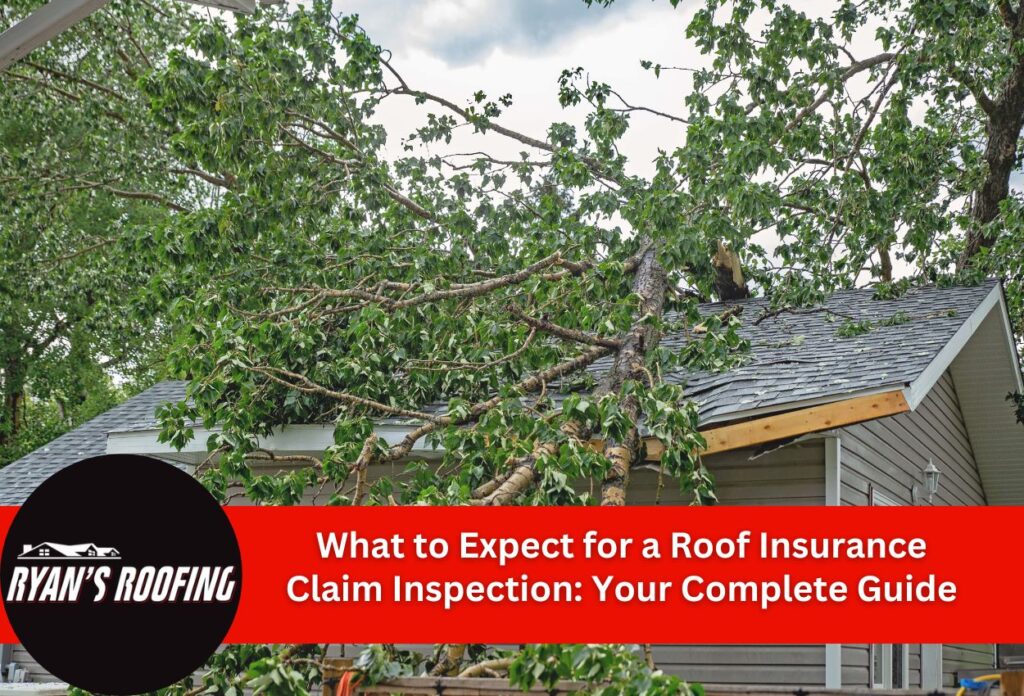

Storm damage to your roof can leave you feeling overwhelmed and uncertain about the next steps. Understanding what to expect for a roof insurance claim inspection helps homeowners navigate this critical process with confidence and ensures all damage is documented for maximum coverage eligibility.
The process begins when you contact your insurance company to report storm damage or other covered incidents. An insurance adjuster’s roof inspection is the basis for determining your claim’s value and coverage scope. During this evaluation, trained professionals examine your roof’s condition, document existing damage, and assess whether repairs or replacement are necessary.
The homeowner insurance claim procedure involves multiple stakeholders working together to reach a fair settlement. Insurance adjusters represent your carrier’s interests, while roofing contractors provide expertise about repair costs and methods. Property owners provide access to their homes, share relevant information about the damage, and communicate clearly with all parties involved.
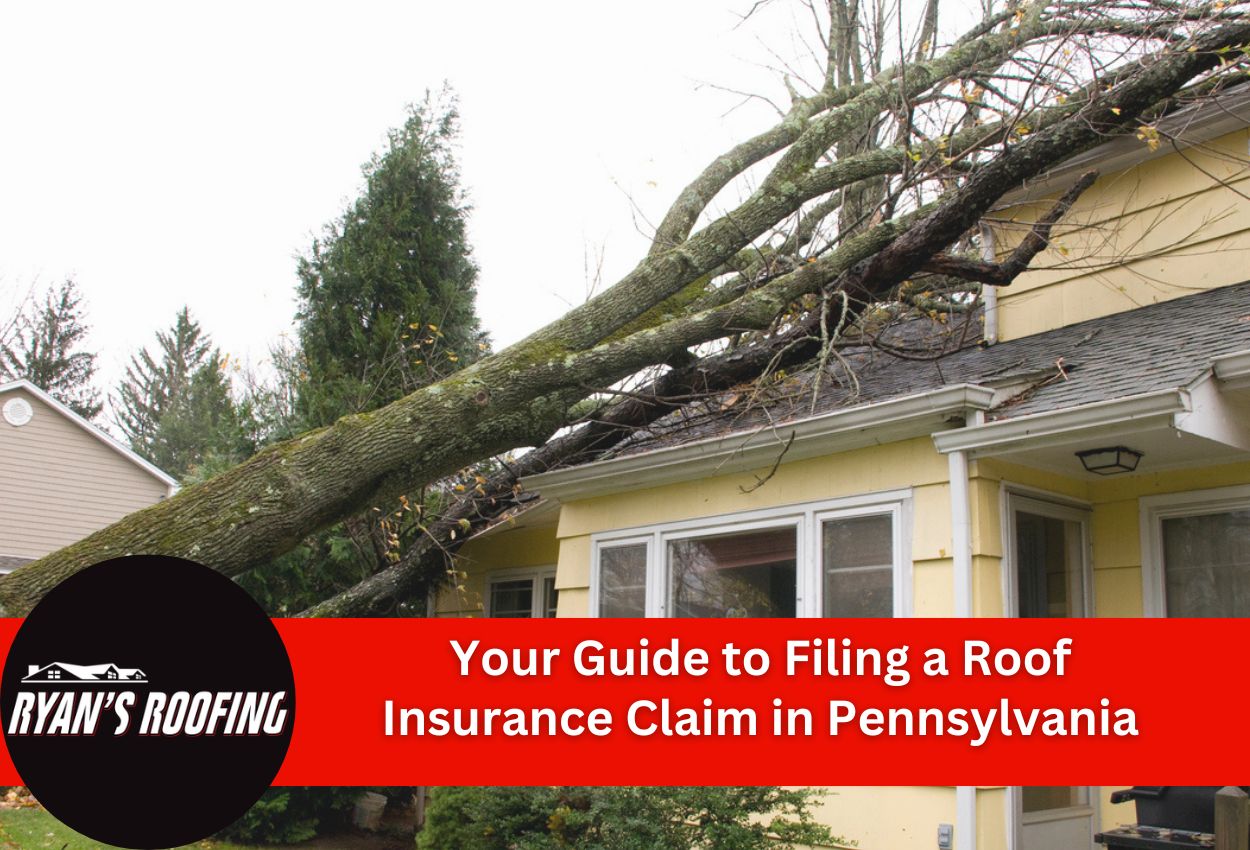
Storm damage requires thorough documentation of both obvious and subtle signs of deterioration, making the insurance adjusters’ inspection a crucial part of the process. In this guide, we will get into detail about what homeowners can expect when filing a roof storm damage insurance claim.
Preparing Your Home and Documentation Before the Inspector Arrives
Taking immediate action after discovering roof damage sets the foundation for a successful insurance claim. Safety should be the top priority when dealing with storm damage, as compromised roofing materials can be hazardous. Homeowners should avoid climbing onto damaged roofs and instead document visible damage from ground level using a camera or smartphone to capture clear images of affected areas.
The roof damage assessment process is more efficient when property owners organize essential documentation beforehand. Gathering your insurance policy, recent maintenance records, and any previous inspection reports helps streamline the insurance adjuster’s roof inspection. Creating a detailed inventory of damaged areas, including photographs with timestamps, provides evidence that supports your claim.
Establishing a comprehensive damage timeline is crucial for storm damage evaluations. Recording the date when damage occurred, weather conditions, and any immediate protective measures taken demonstrates proactive property management. This documentation becomes particularly important when determining roof replacement insurance coverage eligibility, as insurers need to establish the relationship between covered events and existing damage.
Organizing receipts for recent roof maintenance, repairs, or improvements helps adjusters understand your roof’s condition before the incident. This preparation demonstrates responsible homeownership and can positively influence the assessment outcome.
The Insurance Adjuster Inspection Process
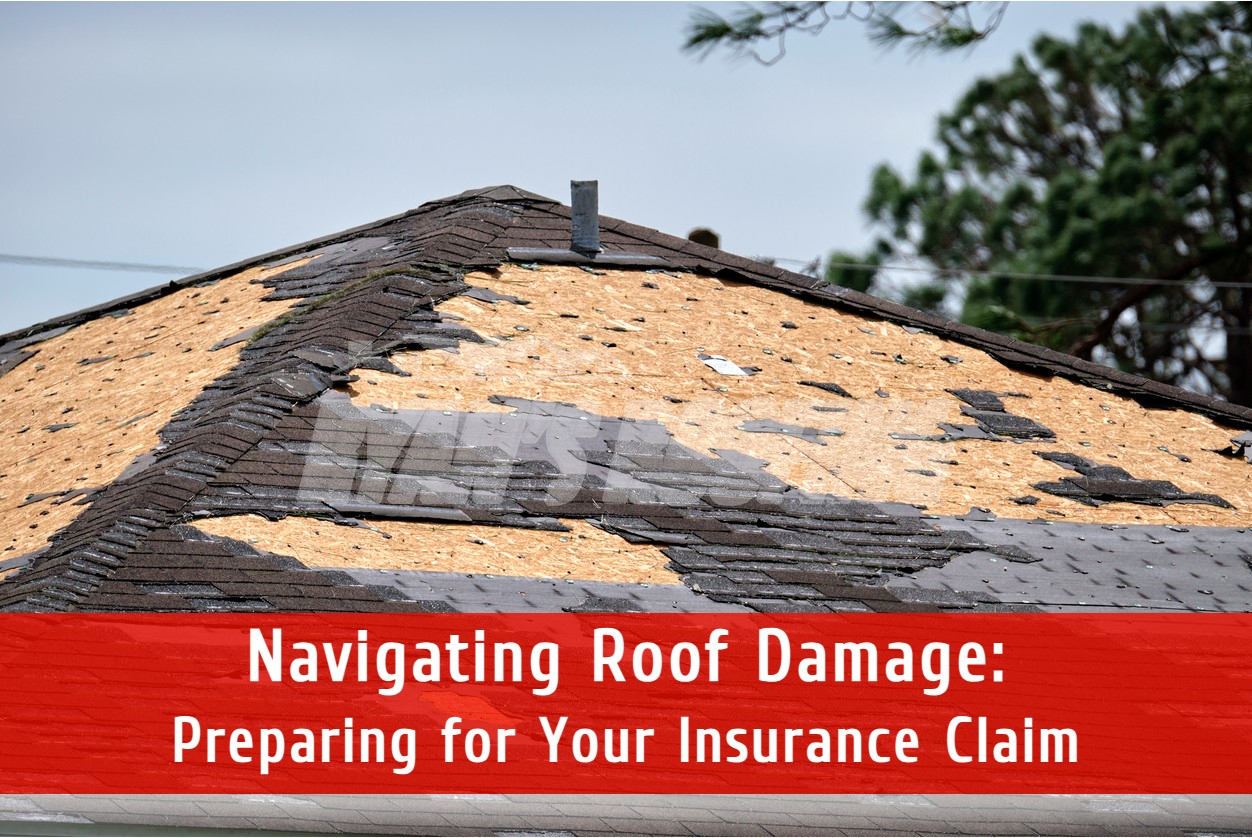
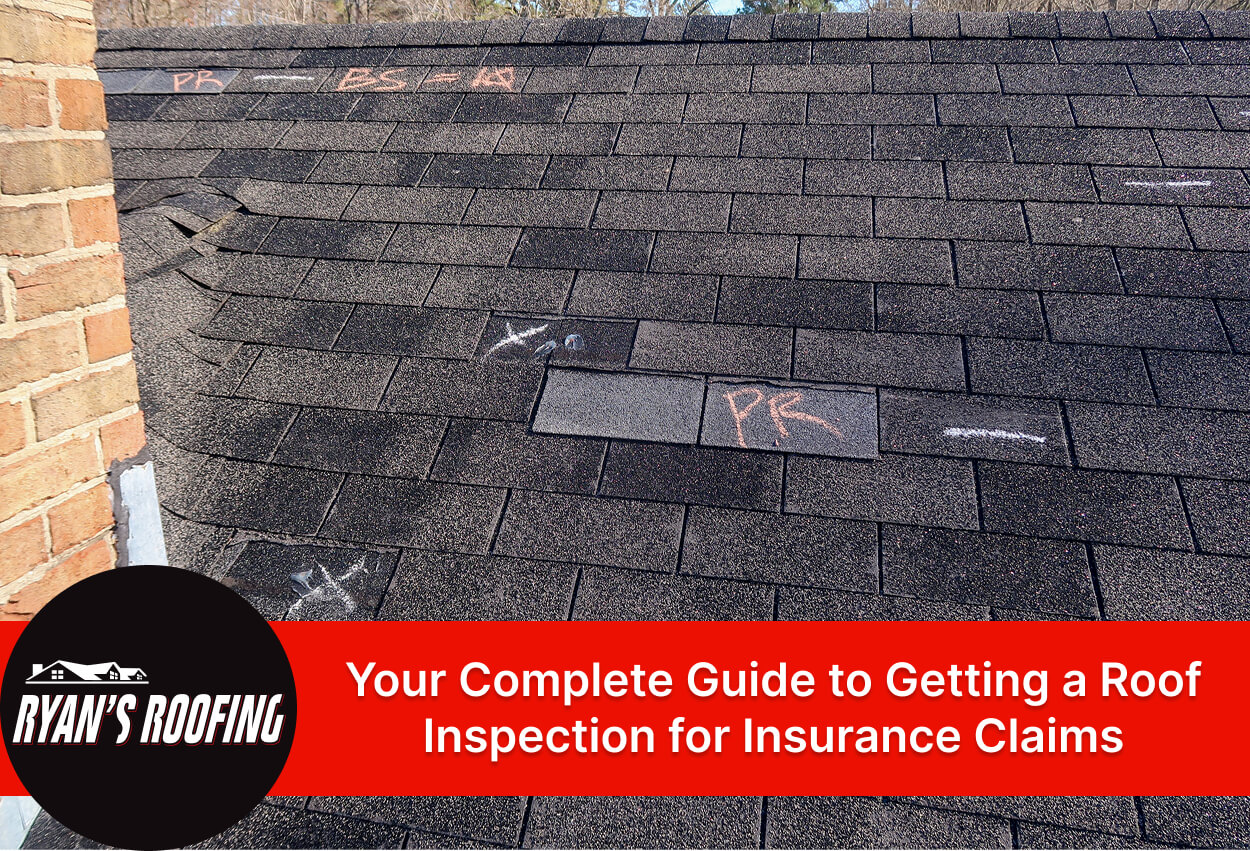
Generally, the insurance adjuster’s roof inspection begins with an exterior examination. Adjusters start by walking around the property’s perimeter to identify visible damage patterns and access points. They carefully examine shingles for missing pieces, granule loss, cracking, and uplift damage that commonly occurs during severe weather events.
During the exterior evaluation, adjusters assess other roof components, including gutters, downspouts, and flashing around chimneys and vents. They look for storm-related impact points such as dents in metal components, damaged soffit and fascia boards, and debris accumulation that indicates wind direction and intensity. This approach ensures the roof inspection after storm damage captures all relevant evidence needed for accurate claim processing.
The interior inspection complements exterior findings by examining attic spaces and interior ceiling areas for signs of water damage. Adjusters use moisture detection equipment to identify hidden water intrusion that may not be visible through standard visual inspection methods. They document water stains, insulation damage, and structural deterioration using photographs and detailed notes.
Professional documentation during the homeowner insurance claim procedure includes measurements, sketches, and comprehensive damage reports. Adjusters typically use specialized software to calculate square footage, material quantities, and repair scope. This thorough documentation process directly influences coverage determinations and helps establish fair settlement amounts based on actual damage extent and local repair costs.
Understanding the Damage Assessment and Coverage Determination
Insurance adjusters categorize roof damage using specific criteria that distinguish between covered storm damage and maintenance-related deterioration. The roof damage assessment process involves examining impact patterns, material displacement, and structural integrity to determine whether damage resulted from a covered peril or normal aging. Adjusters also receive specialized training to identify storm-specific damage characteristics such as hail impact points, wind uplift patterns, and debris strike marks.
Storm damage typically shows consistent patterns across the roof surface, while wear and tear exhibits gradual deterioration in high-stress areas like edges and penetrations. During the insurance adjuster’s roof inspection, professionals look for telltale signs that differentiate between these damage types. For example, fresh granule loss with exposed asphalt indicates recent hail impact, whereas smooth, weathered areas suggest long-term exposure and aging.
The evaluation process for determining repair versus replacement needs involves calculating the percentage of damaged roof area compared to total coverage. Industry standards typically require replacement when damage exceeds 30% of the roof surface or when structural integrity is compromised. Coverage limits and deductibles also impact the final outcome during the homeowner insurance claim procedure.
Roof replacement insurance coverage decisions depend on policy terms, damage severity, and cost-effectiveness calculations. Adjusters compare repair estimates against replacement costs while factoring in the roof’s age, existing condition, and local building codes. The roof inspection after storm damage provides essential data that determines whether partial repairs suffice or complete replacement is necessary for proper protection and code compliance.
Evaluating Inspection Outcomes and Your Next Steps
The roof damage assessment process usually concludes with one of three possible outcomes that determine your path forward. Approved claims trigger a series of coordinated steps involving payment processing, contractor selection, and repair scheduling. Understanding the potential claim outcomes helps homeowners prepare for the next phase of the insurance process.
When claims receive full approval, insurance companies typically issue initial payments within days after completing the storm damage evaluation. The payment structure usually includes an advance covering your deductible and a portion of repair costs, with the remaining funds released upon completion. This staged payment system protects both homeowners and insurers while ensuring work progresses according to approved specifications.
Coordinating with qualified roofing contractors is essential once your homeowners insurance claim reaches the approval stage. Licensed contractors can review adjuster reports, verify damage assessments, and provide detailed repair plans that align with insurance requirements and local building codes.
Claim denials or partial approvals require different responses depending on the specific reasons provided by your insurer. Homeowners have the right to request detailed explanations of coverage decisions and can pursue appeals when disagreeing with assessment conclusions. Additional inspections may be warranted when new damage emerges or when initial evaluations appear incomplete. Understanding your roof replacement insurance coverage options and policy terms helps determine whether pursuing an alternative resolution makes sense for your specific situation.
Working with Roofing Contractors During the Claims Process
Selecting the right roofing contractor can help homeowners achieve successful claim outcomes. Qualified contractors bring specialized expertise that complements insurance adjuster evaluations and helps ensure all storm-related damage is found and documented. These professionals understand local building codes, material specifications, and repair techniques that directly impact claim settlements and long-term roof performance.
One of the main advantages of working with experienced contractors is identifying damage that might otherwise go unnoticed. Their trained eyes can spot subtle signs of structural compromise, hidden water intrusion, and secondary damage that develops after initial storms. This expertise is especially helpful when adjusters conduct their roof inspection, as contractors can provide technical insights about repair complexity and material requirements.
Professional contractors also excel at discovering supplemental damage that becomes apparent only after initial repairs begin. Weather events often cause interconnected damage throughout roofing systems, with some issues emerging only when materials are removed or replaced. Qualified contractors document these discoveries properly and communicate findings to homeowners.
Plus, contractors who understand insurance procedures can provide accurate repair estimates, detailed damage reports, and proper documentation that supports complete roof replacement insurance coverage.
How to Ensure Your Claim’s Success and Avoid Common Mistakes
Effective communication with insurance adjusters throughout the roof damage assessment process significantly impacts claim outcomes and settlement amounts. Homeowners should remain present during the insurance adjuster’s roof inspection to observe their evaluation methods and ask questions about coverage. Being actively involved allows property owners to point out damage areas that might be overlooked and ensures all storm-related issues are identified.
Asking specific questions about coverage limitations helps clarify what repairs qualify under your policy terms. Inquire about matching requirements for partial replacements, depreciation calculations, and upgrade requirements that meet current building codes. Understanding these factors prevents surprises during the claim process and helps set realistic expectations for repair costs.
Several warning signs indicate potential claim complications that require immediate attention and proactive response. Adjusters who rush through inspections, dismiss obvious damage, or provide vague explanations about coverage decisions may not be conducting thorough evaluations. Property owners should document these concerns and request supervisory review when adjuster behavior seems inadequate or unprofessional.
Protecting your interests during the claims process involves keeping a record of all phone calls and emails with your adjuster, obtaining written explanations for coverage decisions, and securing independent contractor evaluations when questions arise. If initial assessments seem insufficient, requesting additional inspections or enlisting help from a public adjuster can help ensure fair settlements that adequately address your storm damage repair needs.
Expert Roof Storm Damage Roofing Services in Your Area
When dealing with roof damage, knowing what to expect during an insurance claim inspection is crucial. At Ryan’s Roofing LLC, we specialize in guiding homeowners through the aftermath of roof storm damage. Insurance claims can be confusing, but knowing what to expect can make the process significantly less stressful.
If you’re facing roof damage and need a reliable inspection, don’t hesitate to contact us. Call Ryan’s Roofing LLC today at (717) 608-1587 to schedule your professional roof inspection and take the first step towards a fully restored roof.