


 GET FREE ROOF ESTIMATE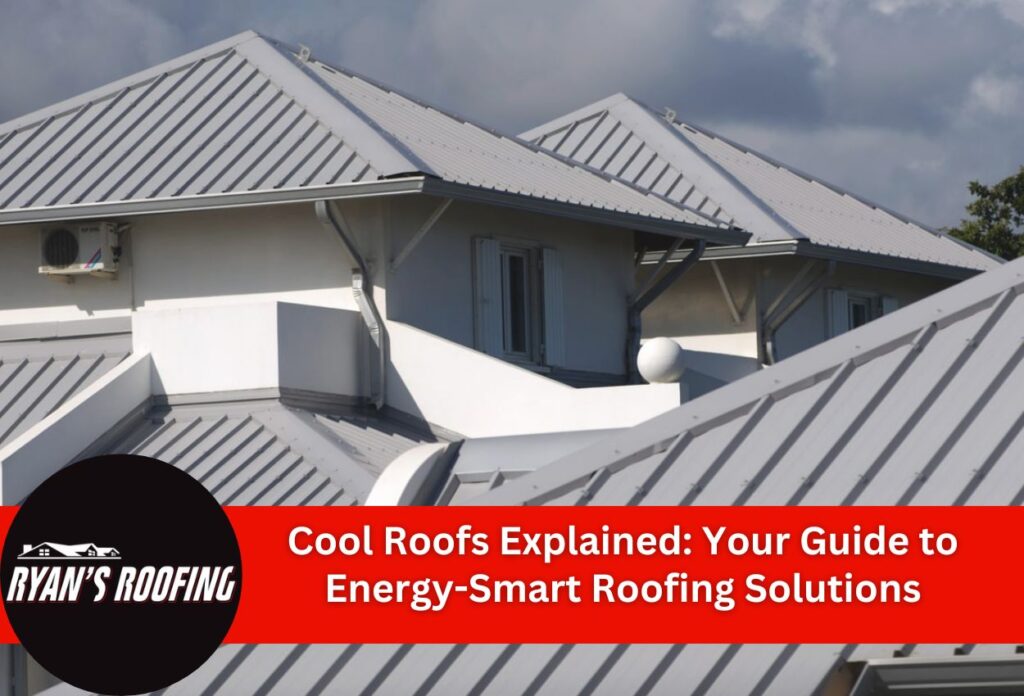
Cool roofs are a roofing system designed to reflect sunlight and absorb less heat than traditional dark-colored roofing materials. These innovative reflective roofing systems work by bouncing solar radiation away from the building instead of allowing it to penetrate and heat the structure below.
Cool roof materials utilize special reflective coatings, lighter colors, or advanced membranes to achieve superior solar reflectance. While standard asphalt shingles and dark roofing materials can reach temperatures exceeding 150 degrees Fahrenheit on hot summer days, cool roofs typically remain 50 to 60 degrees cooler under identical conditions.
Energy-efficient roofing has gained significant popularity as property owners seek solutions to rising utility costs and environmental concerns. Cool roof benefits go beyond simple energy savings, including reduced strain on HVAC systems, improved indoor comfort, and extended roof lifespan due to decreased thermal stress.
The technology behind cool roofs centers on two key properties: solar reflectivity and thermal emittance. Solar reflectivity measures how effectively a surface reflects sunlight, while thermal emittance indicates how well a material releases absorbed heat.
How Cool Roofs Work to Keep Your Home Comfortable
The science behind cool roofs centers on two fundamental thermal properties that work together to reduce heat absorption. Solar reflectance measures a material’s ability to bounce sunlight away from the roofing surface, while thermal emittance determines how efficiently the roof releases any absorbed heat back into the atmosphere.
Cool roof materials achieve superior performance through engineered surfaces that reflect between 65% to 90% of solar radiation, compared to traditional dark roofing that reflects only 5% to 25%. This dramatic difference in reflectance prevents heat from building up on the roof surface, keeping temperatures significantly lower throughout the day.
The heat transfer process in buildings follows a predictable pattern where absorbed solar energy moves from the roof’s surface down through insulation and into living spaces below. Reflective roofing systems interrupt this heat transfer by preventing initial absorption at the source. When cool roofs reflect most incoming solar radiation, less thermal energy enters the building.
Energy-efficient roofing can create a more comfortable indoor environment throughout your home. Lower roof temperatures mean reduced heat conduction through the ceiling, which decreases the workload on air conditioning systems. This thermal barrier effect maintains more consistent indoor temperatures and reduces hot spots that commonly develop in upper floors and attic spaces during peak summer conditions.
Cool Roof Materials and Performance Characteristics
Cool roof materials come in several distinct categories, each with its own performance features and installation benefits. White membrane systems represent one of the most effective reflective roofing systems available, with single-ply membranes like TPO and PVC delivering solar reflectance values exceeding 80%. These energy-efficient roofing solutions work exceptionally well on flat or low-slope commercial buildings.
Reflective shingles provide homeowners with cool roof benefits while maintaining a traditional residential appearance. These specially formulated asphalt shingles incorporate reflective granules that bounce sunlight away from the roof surface. Modern reflective shingles are available in various colors beyond white, allowing property owners to achieve energy savings without compromising curb appeal.
Metal roofing systems naturally offer excellent reflective properties, particularly when finished with specialized cool roof coatings. Steel and aluminum roofing materials can achieve impressive solar reflectance ratings while providing exceptional durability and longevity. The nature of metal systems makes them suitable for both new construction and retrofit applications.
Specialized reflective coatings represent the most versatile cool roof material option. These liquid-applied systems can transform existing roofs into high-performance reflective surfaces without a complete roof replacement. Acrylic, silicone, and elastomeric coatings offer different performance characteristics, with some providing waterproofing benefits alongside solar reflection capabilities. Cool roof installation using coatings typically requires thorough surface preparation and professional application to ensure the best performance and longevity.
Key Benefits That Make Cool Roofs Worth Considering
Cool roof benefits include delivering measurable advantages that impact both comfort and operating expenses. Energy-efficient roofing systems can reduce cooling costs by 10% to 30% during peak summer months by maintaining lower interior temperatures. Buildings with reflective roofing systems experience less heat transfer through the roof structure, allowing air conditioning systems to operate more efficiently and cycle less frequently.
Indoor comfort levels improve significantly with cool roof materials, as reduced heat gain creates more stable interior temperatures throughout the day. Occupants experience fewer temperature fluctuations and hot spots, particularly in upper floors, where traditional roofs typically allow excessive heat in. This enhanced comfort leads to improved productivity in commercial settings and better living conditions in residential applications.
The lifespan of reflective roofing systems can exceed the lifespan of traditional roofing materials due to reduced thermal stress and UV degradation. Extreme temperature cycling causes conventional roofs to expand and contract repeatedly, leading to premature aging and material failure. Cool roofs maintain more consistent temperatures, reducing this destructive cycle and extending service life by several years.
Cool roof installation contributes to reducing urban heat island effects by reflecting solar energy into the atmosphere instead of absorbing it and sending it back out as heat. Many utility companies and government agencies recognize these benefits by offering rebates and tax incentives for energy-efficient roofing upgrades, helping offset initial installation investments while promoting sustainable building practices.
Reflective Roofing Technology and Rating Systems
Understanding rating systems helps property owners identify the most effective cool roof materials for their specific applications. The Solar Reflectance Index serves as the primary measurement tool for evaluating reflective roofing systems’ performance. This comprehensive rating combines both solar reflectance and thermal emittance properties into a single numerical value, with higher numbers indicating superior cool roof benefits.
ENERGY STAR requirements establish minimum performance thresholds that energy-efficient roofing products must meet to qualify for federal recognition. These standards require steep-slope roofing materials to achieve initial solar reflectance values of at least 0.25, while low-slope products must reach 0.65 or higher. Thermal emittance requirements ensure that absorbed heat can escape effectively from the roof surface.
Advanced coating has revolutionized how reflective surfaces perform while maintaining curb appeal. Ceramic microsphere additives embedded within specialized coatings create highly reflective surfaces that remain effective even in darker colors. These innovative formulations allow property owners to achieve cool roof installation benefits without being limited to traditional white or light-colored materials.
Surface treatment options include infrared-reflective pigments that reflect heat-generating wavelengths while absorbing visible light for color retention. Multi-layer coating systems combine primer, base, and topcoat applications to maximize both reflectance and durability. Professional application techniques ensure these advanced technologies perform according to manufacturer specifications, delivering long-term energy savings and enhanced building performance through properly executed cool roof materials selection and installation.
The Cool Roof Installation Process and Retrofit Options
The cool roof installation process varies significantly between new construction projects and retrofit applications. For new buildings, reflective roofing systems can be integrated directly into the structural design, allowing contractors to select the best cool roof materials based on climate conditions and building requirements. The installation follows standard roofing procedures with additional attention to maintaining reflective properties throughout the process.
Cool roof installation begins with proper deck preparation and insulation placement to maximize energy-efficient roofing performance. Contractors apply cool roof materials according to manufacturer specifications, ensuring seams and gaps maintain reflective integrity. Quality control measures include testing solar reflectance values after installation to verify performance standards are met.
Retrofit options provide existing building owners multiple pathways to achieve cool roof benefits without complete roof replacement. Coating applications represent the most cost-effective retrofit solution, transforming traditional roofs into reflective roofing systems through liquid-applied treatments. Professional contractors evaluate existing roof conditions, perform necessary repairs, and apply specialized coatings designed to adhere to various substrate materials.
Overlay systems offer another retrofit approach where new cool roof materials are installed directly over existing roofing structures. This method works particularly well with metal roofing installations over built-up or modified bitumen systems. Single-ply membrane overlays provide excellent reflective performance while adding waterproofing protection. Each retrofit option requires professional assessment to determine structural capacity and compatibility with roofing components.
Is a Cool Roof Right for Your Home?
Determining whether cool roof materials will provide optimal benefits requires careful evaluation of several key factors specific to each property. Local climate conditions play an important role in cool roof effectiveness, as reflective roofing systems deliver the greatest energy savings in areas with hot summers and high cooling demands. Pennsylvania’s variable climate patterns, including humid summers and cold winters, create unique considerations for energy-efficient roofing performance.
Building characteristics significantly influence how well cool roof benefits translate into actual energy savings. Homes with adequate attic insulation and proper ventilation systems maximize the effectiveness of reflective roofing systems by preventing heat transfer through multiple pathways. Two-story homes and those with dark-colored siding often see greater improvements from cool roof installation since these structures typically experience more solar heat gain.
Existing roof conditions determine which retrofit options are feasible and cost-effective. Roofs nearing the end of their useful life may benefit more from complete replacement with cool roof materials rather than coating applications. The age and structural integrity of the current roofing system influence long-term maintenance requirements and expected performance outcomes.
Energy usage patterns help identify properties where reflective roofing systems will provide the most value. Homes with high summer cooling costs, frequent air conditioning use, or comfort issues on upper floors typically experience noticeable improvements after cool roof installation.
Discover the Benefits of Cool Roofs with Ryan’s Roofing LLC
If you’re considering a roofing upgrade for your home in Harrisburg and want to maximize energy efficiency, a cool roof installation by Ryan’s Roofing LLC might be the perfect solution. By opting for a cool roof, you’ll not only save on energy bills but also improve your indoor comfort during those hot Pennsylvania summers. Don’t let another summer pass you by with high energy costs and uncomfortable indoor temperatures. Call Ryan’s Roofing LLC today at (717) 608-1587 to find out how a cool roof can benefit your home.