


 GET FREE ROOF ESTIMATE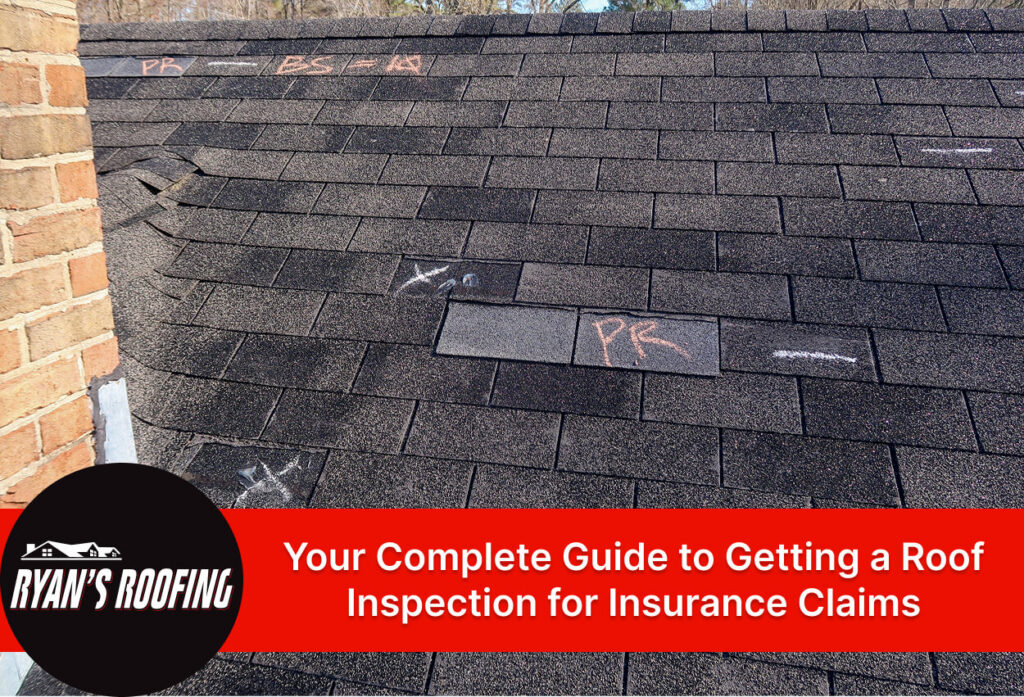
Roof damage from storms, hail, or wind can turn homeowners’ lives upside down. When damage strikes, knowing how to navigate a roof inspection for an insurance claim is important for securing your home and financial interests. The inspection process serves as the foundation for a successful claim and ensures adequate compensation for necessary repairs.
Professional storm damage roof assessments provide detailed documentation that insurance companies require to process claims effectively. These comprehensive evaluations identify visible damage, structural issues, and potential problems that untrained eyes might miss. Insurance adjuster roof evaluations often follow the initial professional inspection, creating a critical comparison point for claim negotiations.
Roof damage documentation makes the difference between claim approval and denial. Professional inspectors understand exactly what insurance companies need to see and how to present findings in formats that support homeowner interests. The insurance claim process for roofs has multiple steps, but everything begins with a professional report of roof condition.
Understanding when to schedule inspections, what inspectors examine, and how reports influence claim outcomes allows homeowners to make better decisions during these stressful situations. The right approach to roof inspections can mean thousands of dollars in approved repairs and restored peace of mind.
Signs Your Roof Needs a Professional Assessment After a Storm
Recognizing damage helps homeowners determine when to schedule a roof inspection for an insurance claim. Storm damage manifests in various ways, with some signs appearing immediately while others develop gradually over time.
Exterior damage indicators require immediate attention from qualified professionals. Missing or damaged shingles create obvious red flags, especially when scattered across the property after severe weather. Dented gutters, downspouts, and flashing often accompany roof damage and warrant a professional assessment. Granule accumulation in gutters indicates shingle deterioration that may not be visible from ground level. Cracked or broken tiles, exposed underlayment, and damaged vents also signal the need for a comprehensive evaluation.
Interior warning signs frequently reveal hidden damage that exterior inspections might miss. Discoloration on ceilings or walls indicates leaks requiring immediate documentation for insurance purposes. Drafts around previously sealed areas suggest structural compromise, while musty odors may indicate moisture intrusion and potential mold development. Sagging ceiling areas or visible daylight through the roof structure represent serious concerns that need urgent professional attention.
These indicators justify scheduling an insurance adjuster roof evaluation and professional inspection. Roof damage documentation should capture both visible and concealed issues, creating comprehensive records that support the insurance claims. Professional inspectors identify problems that untrained observers typically overlook, ensuring thorough professional reports of roof condition that maximize claims.
How Insurance Adjusters Evaluate Your Roof
Insurance adjusters follow specific procedures when conducting roof inspections for insurance claims. These professionals assess damage severity, determine repair necessity, and calculate appropriate compensation based on specific industry standards and company guidelines.
During insurance adjuster roof evaluations, several key factors influence their assessments. Adjusters examine shingle condition, looking for impact marks, granule loss, and structural integrity issues. They measure damaged areas, photograph evidence, and compare findings against policy coverage parameters. Wind damage assessment focuses on uplift patterns and missing materials, while hail damage evaluation centers on impact marks and granule displacement. The adjuster’s storm damage roof assessment directly impacts claim approval amounts and covered repair scope.
Professional roof damage documentation completed before the adjuster’s arrival provides significant advantages during claim negotiations. Independent inspections often identify damage that adjusters might overlook or undervalue. Having detailed professional reports of roof condition creates leverage when disputing adjuster findings or seeking additional compensation.
The timing of professional inspections also influences negotiation outcomes. Scheduling independent evaluations immediately after storms preserves evidence and prevents further deterioration that could complicate damage attribution. Professional inspectors understand insurance industry standards and document findings in formats that support homeowner positions during claim discussions.
Essential Documentation Requirements for Roof Insurance Claims
Documentation is absolutely necessary for successful roof insurance claims, requiring specific types of evidence to support damage assessments and maximize settlement amounts. Insurance companies need detailed proof of damage, repair necessity, and cost justification before approving claims.
Photos are crucial evidence taken during storm damage roof assessments. High-resolution images must capture damage from multiple angles, including close-up shots of individual shingles, granule loss patterns, and impact marks. Wide-angle photographs establish damage scope across the entire roof surface, while detailed shots document specific problem areas. Interior photographs showing water damage, stains, or structural issues strengthen claims by demonstrating damage consequences. Professional inspectors typically provide dozens of photographs as part of their roof damage documentation process.
Written reports complement photos with technical details that support insurance adjuster roof evaluations. Professional reports of roof condition include precise measurements, material specifications, and damage severity assessments. These documents outline repair recommendations, replacement timelines, and safety concerns that justify immediate action. Detailed written documentation helps insurance companies understand the complexity of the damage and repair requirements beyond what photographs alone can convey.
Timeline considerations significantly impact documentation effectiveness and claim success rates. Most insurance policies require prompt notification of damage, typically within days or weeks of discovery. However, gathering evidence should begin immediately after the storm to prevent weather-related deterioration that could compromise damage attribution. The insurance claim process for roofs generally moves quickly once initiated, making early preparation essential for meeting company deadlines and submission requirements.
Navigating the Insurance Claim Process Step by Step
Successfully managing the insurance claim process for roofs requires understanding the procedures and clearly communicating with all parties involved. The process begins immediately after damage occurs and continues through final settlement, with each step building upon previous documentation and assessments.
Initial claim filing procedures establish the foundation for successful outcomes. Contact your insurance company soon after discovering damage to report the incident and request claim initiation. Provide basic information about the storm, damage scope, and immediate concerns during this initial conversation. Insurance companies assign claim numbers and schedule adjuster evaluations based on damage severity and regional claim volume. Document all conversations with claim representatives, including names, dates, and specific instructions provided.
Insurance companies require specific information before dispatching adjusters to evaluate property damage. Prepare detailed storm damage roof reports from professional inspectors, photographs of visible damage, and documentation of any emergency repairs completed to prevent further deterioration. Compile receipts for temporary protective measures and maintain records of any expenses incurred due to the damage. This preparation streamlines the adjuster’s evaluation and demonstrates proactive damage mitigation efforts.
Working effectively with adjusters during their site visits requires preparation and professional communication. Present your professional reports of roof condition alongside supporting documentation to establish the scope of the damage and repair needs. Accompany adjusters during their evaluation when possible, pointing out specific areas of concern while allowing them to complete their assessment independently. Address any discrepancies between professional inspections and adjuster findings through respectful discussion. If disputes arise regarding coverage or settlement amounts, stay professional while clearly stating your position and requesting detailed explanations of any claim denials or reduced settlements.
Maximizing Your Claim Success with Professional Reports
Professional reports serve as the cornerstone of successful roof insurance claims, providing detailed technical documentation that strengthens homeowner positions during adjuster negotiations. These comprehensive assessments create objective damage records that insurance companies rely upon when making coverage determinations and settlement calculations.
Detailed professional roof condition reports accelerate the insurance claim process for roofs by providing adjusters with thorough damage documentation that meets industry standards. Professional inspectors generally understand specific requirements that insurance companies expect, including precise measurements, material specifications, and repair cost estimates. Their storm damage roof assessment reports often reveal hidden damage that untrained observers miss, ensuring comprehensive claim coverage. Insurance companies may even process claims faster when presented with professional documentation because these reports eliminate guesswork and provide clear damage attribution to specific weather events.
Professional reports also establish credibility during insurance adjuster roof evaluations by providing objective validation of damage claims. When adjusters compare homeowner statements against independent professional assessments, the documented evidence carries significant weight in settlement negotiations. Comprehensive roof damage documentation prevents disputes over damage extent and helps justify repair necessity through technical explanations that support higher settlement amounts.
Beyond immediate claim benefits, proper documentation provides lasting value for future insurance needs and ongoing roof maintenance planning. Professional reports of roof condition create baseline assessments that help distinguish new damage from pre-existing conditions during subsequent claims. These detailed records demonstrate responsible property maintenance to insurance companies, potentially lowering premium rates. Maintaining comprehensive documentation also supports warranty claims and helps identify developing issues before they become major problems requiring extensive repairs.
Choosing the Right Professional for Your Roof Inspection
Selecting qualified professionals to conduct roof inspections for insurance claims requires looking at their credentials, experience, and specialized knowledge. The right inspector significantly impacts claim outcomes and ensures comprehensive damage documentation that supports homeowner interests throughout the process.
Essential qualifications include valid licensing, bonding, and insurance coverage that protects both inspectors and property owners during evaluations. Roofing contractors performing storm damage roof assessments should maintain current licenses in their operating jurisdictions and carry adequate liability insurance. Professional certifications or manufacturer-specific training programs demonstrate a commitment to industry standards. Experience with insurance claim processes sets qualified inspectors apart from general contractors who may lack specialized knowledge of documentation requirements.
Critical questions help homeowners evaluate potential inspectors before scheduling evaluations. Ask about specific experience with storm damage roof evaluations and how many claims they have supported in the past year. Also, inquire about their approach to roof damage documentation and whether they provide comprehensive written reports alongside photos.
The inspector’s familiarity with local weather patterns and common damage types affects assessment quality. Professionals who understand regional storms and local insurance companies provide more effective reports of roof condition that anticipate adjuster concerns and address potential claim challenges proactively.
Schedule Your Roof Inspection with Ryan’s Roofing LLC
If you’ve recently experienced storm damage, don’t wait to assess the extent. Contact Ryan’s Roofing LLC at (717) 608-1587 for a professional roof inspection that can strengthen your insurance claim. Quick and accurate documentation of your roof’s condition is crucial, and our experienced team ensures that all significant storm damage is thoroughly documented. Whether it’s visible damages like missing shingles or internal signs of leaks, our expert inspectors cover every detail to maximize your claim’s success.
Don’t let hidden damages go unnoticed and potentially worsen. Schedule your inspection with Ryan’s Roofing LLC today and benefit from our expert knowledge in roof storm damage. Call us at (717) 608-1587!