


 GET FREE ROOF ESTIMATE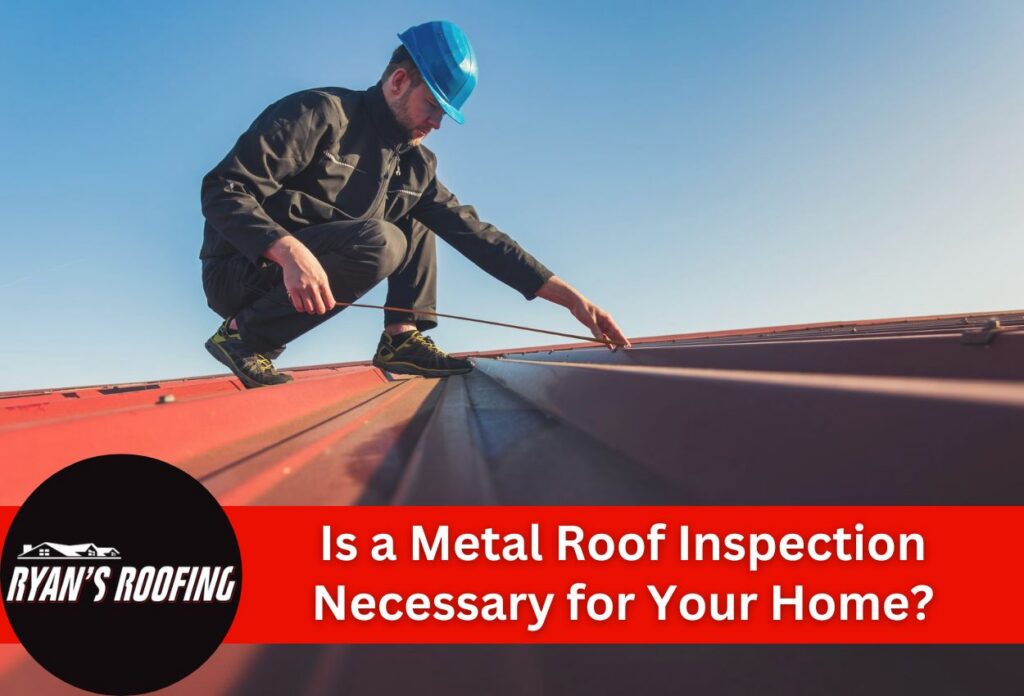
Key Takeaways:
- Yes, Inspections Are Important: Is a metal roof inspection necessary? Absolutely, professional evaluations twice a year prevent minor issues like loose fasteners from expensive structural damage.
- Inspect Regularly: Schedule professional inspections at least twice a year (spring/fall), or more frequently for older roofs, harsh climates, or after severe weather.
- Watch for Warnings: Seek professional attention for rust, loose fasteners, damaged panels, or subtle clues like interior water stains or unusual roof noises.
- Protect Your Investment: Proactive inspections prevent expensive emergency repairs, protect your warranty, and maximize your metal roof’s 40 to 70 year lifespan potential.
Metal roofs have earned a reputation for durability and longevity, often lasting 40 to 70 years with proper care. However, this impressive lifespan depends on regular maintenance and inspections. While metal roofing requires less upkeep than asphalt shingles or wood shakes, assuming it needs no attention at all can lead to expensive damage and shortened roof performance.
A metal roof inspection is necessary to identify early warning signs before they develop into expensive structural problems. Unlike traditional roofing materials that show obvious deterioration, metal roofs can develop hidden issues such as loose fasteners, sealant breakdown, or panel separation that aren’t immediately visible from the ground. Regular inspections catch these concerns early, protecting the roofing investment and preventing water damage to the building’s interior.
Understanding metal roof maintenance requirements helps property owners make informed decisions about how often to inspect a metal roof and recognize signs that a metal roof needs inspection. The benefits of a metal roof inspection extend beyond preventing leaks, they ensure proper ventilation, check the flashing’s structural integrity, and verify that protective coatings remain intact. Regular professional evaluations maximize metal roof lifespan and care while avoiding the false assumption that metal roofing is entirely maintenance-free.
Warning Signs That Your Metal Roof Needs Professional Attention
Recognizing when a metal roof needs inspection can prevent minor issues from escalating into major repairs. Visible indicators often provide the first clues that professional evaluation is necessary. Rust spots, particularly around fasteners or cut edges, signal that the protective coating has been compromised and corrosion has begun. Loose or missing fasteners allow panels to shift and create gaps where water can leak. Damaged panels, whether from storm debris or thermal expansion stress, compromise the roof’s weather-tight properties and require immediate attention.
Not all signs that a metal roof needs inspection are obvious from the exterior. Interior water stains on ceilings or walls often indicate active leaks that may have been present for some time. Unusual noises during wind or rain, such as rattling or popping sounds, suggest loose components that need securing. An unexpected increase in energy bills can point to ventilation problems or insulation damage beneath the metal panels. These subtle symptoms often reveal hidden problems that only trained professionals can properly diagnose and address through thorough inspection.
How Often Should You Inspect a Metal Roof
Establishing a routine inspection schedule is essential for maintaining the best metal roof health and preventing unexpected failures. Most metal roofing manufacturers and industry experts recommend professional inspections at least twice a year, typically in spring and fall. These seasonal checkups allow specialists to assess any damage from winter weather and prepare the roof for upcoming seasonal challenges. Newer metal roofs in moderate climates may require less frequent inspections, while older installations or those in harsh environments benefit from more regular attention.
Several factors influence how often you should inspect a metal roof beyond basic twice-yearly evaluations. Roof age plays a significant role, as systems approaching 20 years or older warrant closer monitoring for wear patterns and component degradation. Local climate conditions dramatically affect inspection frequency. Coastal properties face salty air corrosion, while regions with heavy snow need assessments after winter. Areas experiencing severe weather throughout the year, including hailstorms, high winds, or extreme temperature fluctuations, require immediate post-event inspections regardless of the regular schedule. Properties with surrounding tree coverage face additional risks from falling branches, accumulating debris, and moisture retention that accelerate panel deterioration. Recent construction work nearby can introduce vibrations or debris that compromise the roof’s structural integrity, making additional inspections prudent during and after such activities.
Financial Benefits of Regular Metal Roof Inspections
Proactive metal roof inspections deliver substantial financial advantages that extend far beyond the inspection cost itself. Early problem detection prevents minor issues like loose fasteners or small sealant gaps from developing into major structural damage requiring extensive repairs. A single undetected leak can compromise insulation, damage interior finishes, and even weaken support structures, repairs that quickly escalate into thousands of dollars. Regular inspections identify these concerns when fixes remain simple and affordable, protecting the overall roofing investment from premature failure.
Maintaining documentation of routine inspections also protects warranty coverage, as most metal roofing manufacturers require proof of regular maintenance to honor warranty claims. Without this documentation, property owners risk voiding warranties that could otherwise cover defective materials or workmanship issues. The benefits of a metal roof inspection include maximizing the system’s expected lifespan, which directly translates to better return on the initial investment. A well-maintained metal roof that reaches its full 50-year potential provides decades more service than one that fails prematurely due to neglected maintenance, eliminating the need for expensive premature replacement.
Safety and Performance Improvements Through Routine Inspections
Beyond financial considerations, regular metal roof inspections ensure the best safety and performance standards remain intact throughout the roof’s service life. Inspections verify that drainage systems function properly, preventing water pooling that adds excessive weight and accelerates panel corrosion. Clogged gutters or blocked scuppers identified during inspections can be cleared before they cause water backup and potential structural stress. Maintaining proper drainage protects not only the roof itself but also building foundations and landscaping from water damage.
Structural integrity assessments during inspections confirm that fastening systems remain secure and panels maintain proper alignment, preventing dangerous conditions like loose metal sheets during windstorms. Energy efficiency evaluations check that ventilation systems work correctly and thermal barriers remain effective, helping to preserve comfortable interior temperatures and reduce heating and cooling costs throughout seasonal changes. These performance checks ensure the metal roof continues delivering the energy savings and weather protection expected from quality metal roofing systems.
What Professional Inspectors Examine During Metal Roof Evaluations
Professional metal roof inspections involve a full assessment of important components that determine overall system performance and longevity. Inspectors carefully examine fastener systems throughout the roof, checking for loose, missing, or corroded screws and clips that secure panels to the roof deck. Seams should receive thorough attention, as standing seam connections and overlapping panels must maintain tight seals to prevent leaks. Flashing conditions around roof gaps, valleys, and transition areas undergo detailed scrutiny since these vulnerable locations represent common failure points. The protective coating status on panels and trim receives evaluation to identify areas where UV exposure or weathering has compromised the finish, potentially exposing bare metal to corrosion.
Drainage system functionality represents another essential inspection focus, with professionals assessing gutter attachment, downspout positioning, and proper slope to ensure water sheds efficiently from the surface. Ventilation adequacy is evaluated to confirm that adequate airflow prevents moisture accumulation and temperature extremes that stress roofing materials. Experienced inspectors identify potential areas of metal fatigue, including stress points near fasteners, panel edges showing oil-canning, and thermal movement zones where expansion and contraction create wear patterns. This specialized knowledge allows professionals to detect subtle deterioration signs that untrained observers would overlook, addressing concerns before component failure occurs.
How Inspections Extend Your Metal Roof Lifespan
Regular inspections directly connect to achieving the maximum expected lifespan from metal roofing systems while preserving their appearance and functionality. Metal roofs can theoretically last 50 years or more, but reaching this potential requires consistent attention to maintenance needs identified through professional evaluations. Inspections reveal gradual wear patterns that develop over years of exposure to weather cycles, allowing property owners to address deterioration before it becomes irreversible. This proactive approach to metal roof maintenance requirements ensures that small investments in preventive care protect against the need for premature replacement, maximizing the decades of service these durable systems provide.
Preventive care strategies identified during inspections protect against specific threats that accelerate aging and compromise structural integrity. Corrosion development begins when protective coatings break down, or fastener holes allow moisture contact with bare metal, but inspections catch these vulnerable spots before rust spreads extensively. Environmental damage accumulation from UV radiation, acid rain, salt air, and temperature fluctuations gradually degrades even the highest-quality metal roofing materials. Regular professional assessments monitor these effects and recommend targeted interventions like recoating, sealant replacement, or fastener tightening that counteract environmental stress. The benefits of a metal roof inspection include maintaining curb appeal through the years, as inspectors identify discoloration, chalking, or finish deterioration that can be addressed before visual quality declines noticeably. This combination of structural protection and appearance maintenance ensures metal roofs deliver both performance and curb appeal throughout their extended service life.
Making the Smart Decision About Your Metal Roof Maintenance Plan
Property owners face a clear choice when considering metal roof maintenance requirements: invest modestly in regular inspections or risk substantial expenses from neglected problems. The minimal cost of routine professional evaluations pales in comparison to emergency repairs following water damage, panel replacement after undetected corrosion, or structural work required by long-term leak exposure. A strategic maintenance approach balances inspection frequency with property-specific factors, including roof age, local weather patterns, and building use. Commercial properties might justify more frequent evaluations due to higher occupancy risks, while residential metal roofs in mild climates may thrive with standard twice-yearly assessments. Understanding how often you should inspect a metal roof for your particular situation creates a sustainable maintenance plan that protects the investment without unnecessary expenses.
Finding Qualified Metal Roofing Inspection Professionals
Selecting the right roofing professional makes the difference between valuable inspections and wasted resources. Qualified inspectors possess specific expertise in metal roofing systems rather than general roofing knowledge alone. They understand the unique characteristics of different metal materials, steel, aluminum, copper, and zinc, along with various installation methods like standing seam, corrugated panels, and metal shingles. Certification from recognized industry organizations demonstrates commitment to professional standards and ongoing education about evolving metal roofing. When evaluating potential inspection providers, property owners should verify experience with their specific roof type, request references from similar projects, and confirm the availability of detailed written reports documenting findings and recommendations. Establishing a relationship with knowledgeable professionals who understand metal roof lifespan and care creates consistency in evaluation standards and builds valuable familiarity with the particular roofing system over time.
Ensure Your Metal Roof’s Longevity with Ryan’s Roofing LLC
Is a metal roof inspection necessary? Absolutely. Regular inspections are important to maintaining the structural integrity and appearance value of your metal roof. At Ryan’s Roofing LLC, we emphasize the importance of catching minor issues before they become expensive repairs. Don’t wait for visible signs of damage such as rust spots or loose fasteners. Proactive inspections can prevent these issues and extend the lifespan of your roof, ensuring it continues to perform efficiently year-round.
How often should you inspect your metal roof? We recommend a thorough inspection at least once a year, and more frequently if your property is exposed to severe weather or environmental conditions. Our expert team at Ryan’s Roofing LLC specializes in identifying the subtle signs of wear that might otherwise go unnoticed, from interior water stains to unexpected noises during storms.
Make the smart choice for your property. Contact Ryan’s Roofing LLC today at (717) 608-1587 to schedule your metal roof inspection and ensure your roof remains in top condition for years to come.