


 GET FREE ROOF ESTIMATE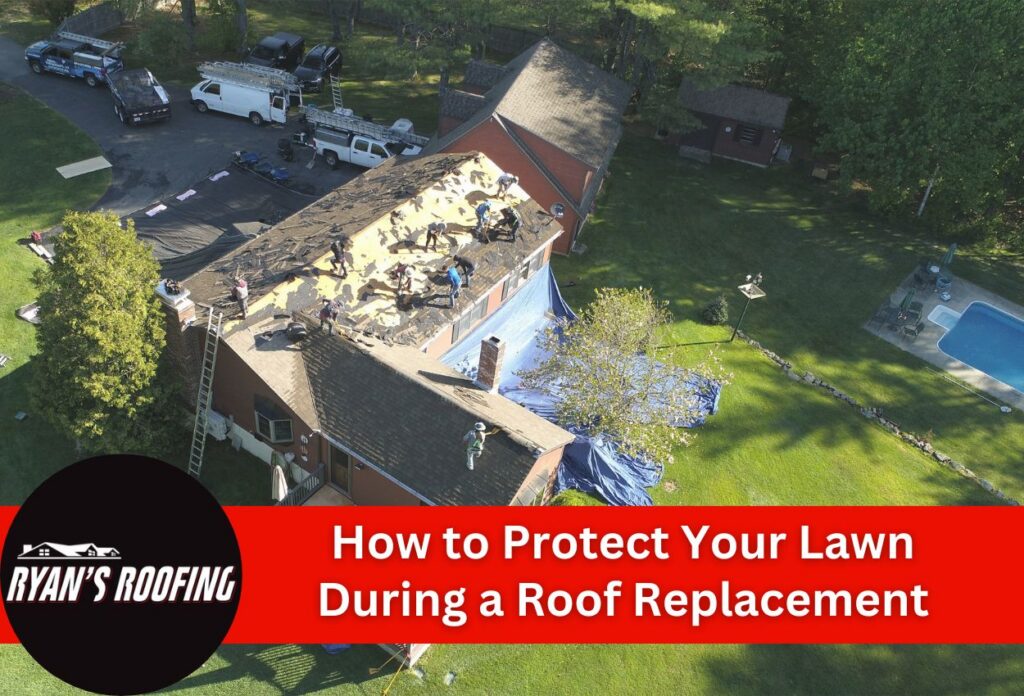
Key Points:
- Proactive planning and clear communication with your roofing contractor are essential steps to safeguard your lawn during a roof replacement.
- Implement strategic tarp coverings, designate specific access routes, and ensure diligent daily debris cleanup to prevent grass damage.
- Adjust watering, monitor grass health under covers, and plan post-project aeration and reseeding for full lawn recovery.
Roof replacement projects pose significant threats to residential lawns and landscaping through falling debris, heavy equipment traffic, and material storage requirements. Understanding how to protect your lawn during a roof replacement prevents expensive damage to grass, soil, and gardens that homeowners have put years into cultivating.
Professional roofing contractors typically work with thousands of pounds of materials, from shingle removal to new installation, creating unavoidable risks for a yard. Lawn protection during roofing requires strategic planning before work begins, including identifying vulnerable areas and implementing protective measures across the property.
Preventing grass damage during roofing work involves more than simply covering plants with tarps. Soil compaction from worker foot traffic, chemical exposure from roofing materials, and prolonged coverage periods can severely impact lawn health. Effective landscaping protection during a roof replacement addresses these multiple risk factors through comprehensive preparation and ongoing maintenance strategies throughout the project timeline.
Pre-Project Planning and Communication with Your Roofing Contractor
Establishing clear expectations with your roofing team before work begins forms the foundation of effective lawn protection during roofing projects. Professional contractors should conduct a thorough property walkthrough to identify sensitive landscaping areas, mature trees, flower beds, and recently seeded grass sections that require special attention. This initial assessment allows both parties to create designated work zones while establishing protected areas where equipment and materials cannot be placed.
Timing plays a important role in preventing grass damage during roofing work. Spring installations during peak growing season can stress already active grass roots, while summer projects risk heat damage from tarp coverage for the lawn during roofing project periods. Fall replacements are often the best, as cooler temperatures reduce moisture loss under protective coverings and grass enters natural dormancy phases. Winter installations present unique challenges with frozen ground conditions, but eliminate concerns about active growth disruption.
Clear boundary marking using spray paint or flags helps workers identify landscaping protection during the roof replacement zones throughout the project. Establishing specific pathways for material transport and designating staging areas away from premium lawn sections prevents accidental damage from maintaining a yard during roof installation activities.
Protective Covering Solutions for Grass and Garden Areas
Selecting appropriate tarp materials and protective sheeting options requires understanding the balance between debris protection and lawn health preservation. Heavy-duty canvas tarps provide superior protection from falling shingles and nails, but can trap moisture and block essential sunlight when left in place for extended periods. Breathable landscape fabrics offer better air circulation for grass health while still deflecting most roofing debris, making them ideal for tarp coverage for the lawn during roofing project applications.
Strategic placement techniques for covers maximize protection without creating conditions that promote grass yellowing or root damage. Covers should extend at least 3 feet beyond the roof’s drip line to catch debris while avoiding complete ground coverage when possible. Maintaining small gaps between tarp sections allows air movement and prevents moisture buildup that encourages fungal growth in Pennsylvania’s humid climate conditions.
Preventing grass damage during roofing work requires rotating protective coverings every few days to allow sunlight exposure and prevent heat buildup underneath. Landscaping protection during a roof replacement becomes most effective when homeowners monitor covered areas daily, adjusting materials as needed to maintain proper growing conditions while ensuring adequate debris protection throughout the installation process.
Managing Heavy Equipment and Contractor Access Points
Establishing dedicated pathways for roofing crews and equipment prevents widespread damage across the entire property during lawn protection during roofing operations. Contractors should identify the most direct route from street access to the home’s exterior, marking this pathway clearly to ensure all workers follow the same designated trail. This concentrated traffic approach limits soil compaction and grass damage to specific areas rather than allowing random foot traffic patterns that can affect large sections of healthy turf.
Temporary walkways constructed from plywood sheets or specialized ground protection mats distribute heavy equipment weight more evenly across grass surfaces. These materials create stable platforms for wheelbarrows, material carts, and ladder placements while preventing deep impressions in soft soil. Professional-grade ground mats designed for construction use offer superior weight distribution compared to standard plywood, making them particularly effective for preventing grass damage during roofing work involving heavy material loads.
Designated staging areas for material storage should be established on driveways, patios, or other hardscaped surfaces whenever possible. When landscaping protection during a roof replacement requires materials placement on grass areas, protective barriers become essential for maintaining a yard during roof installation. These concentrated zones allow for organized material access while containing potential damage to predetermined locations that can be restored after project completion.
Debris Management and Daily Cleanup
Systematic debris removal throughout roofing projects prevents the accumulation of materials that can damage lawn surfaces and create safety hazards for families and pets. Professional contractors should implement end-of-day cleanup procedures that include thorough sweeping of all ground surfaces, immediate collection of visible shingle fragments, and removal of packaging materials before they become embedded in grass or soil. This consistent approach to maintaining a yard during roof installation prevents small debris from working deeper into the turf, where removal becomes increasingly difficult.
Magnetic sweeping tools are essential for locating and removing metal fasteners, nails, and flashing pieces that standard visual inspections often miss. These specialized magnets should be passed over all lawn areas within a 50-foot radius of the work zone at the end of each workday. Preventing grass damage during roofing work includes addressing these hidden metal hazards that can cause serious injury to bare feet or damage lawn mowing equipment during future yard maintenance activities.
Daily inspection protocols should extend beyond the immediate work area to catch debris that may have been carried by wind or bounced off protective coverings. Landscaping protection during a roof replacement requires attention to flower beds, shrub areas, and neighboring properties where materials might accumulate. Professional crews should document their cleanup efforts and provide homeowners with confirmation that magnetic sweeping has been completed before departing each day.
Watering and Maintenance Adjustments During Construction
Roofing projects disrupt normal lawn care schedules and require significant modifications to irrigation routines throughout the construction period. Areas covered by protective tarps receive no natural rainfall and require reduced watering frequencies to prevent oversaturation of soil beneath impermeable coverings. Homeowners should adjust automatic sprinkler systems to skip zones where tarp coverage for lawn during roofing project materials are installed, preventing water accumulation that can lead to root rot and fungal development in grass areas.
Exposed lawn sections continue requiring regular moisture but may need increased watering to compensate for stress from construction activity and debris accumulation. These uncovered areas often experience compaction from foot traffic, reducing natural leaks and requiring longer, less frequent watering sessions to reach root zones effectively. Preventing grass damage during roofing work includes monitoring soil moisture levels daily and adjusting irrigation timing based on weather conditions and construction progress.
Grass health monitoring under protective coverings becomes important for maintaining a yard during roof installation, as reduced air circulation creates ideal conditions for disease development. Homeowners should lift tarp edges periodically to check for yellowing, excessive moisture, or signs of fungal growth that indicate ventilation problems. Landscaping protection during a roof replacement requires balancing debris protection with adequate air movement, making temporary adjustments to covering positions when grass shows stress signs from prolonged coverage periods.
Post-Replacement Lawn Recovery and Restoration Techniques
Once roofing contractors complete their work, immediate attention to lawn recovery determines how quickly damaged areas return to healthy growing conditions. The first 48 hours after construction completion are important for assessing the full extent of any damage and beginning restoration efforts. Thorough debris inspection becomes the priority, as even professional cleanup efforts may miss small metal fragments, shingle granules, and packaging materials that can harm grass growth or damage mowing equipment.
Comprehensive magnetic sweeping should cover all lawn areas within the project zone, including spaces where tarp coverage for the lawn during the roofing project protection was utilized. Soil aeration addresses compaction issues caused by heavy foot traffic and equipment movement, allowing oxygen and water to reach the grass roots that may have been stressed during construction. Professional-grade aerators create holes that go through compacted soil layers, immediately improving growing conditions in affected areas.
Reseeding damaged sections requires matching existing grass types and considering seasonal timing for optimal establishment. Cool-season grasses common in Pennsylvania respond best to fall seeding, while warm-season varieties establish more successfully during late spring periods. Quality starter fertilizer applied at seeding helps new grass compete with weeds while promoting rapid root development. Maintaining consistent moisture levels during the establishment period ensures successful restoration of landscaping protection during a roof replacement effort, returning lawns to their pre-construction condition within one growing season.
Protect Your Lawn with Ryan’s Roofing LLC During Your Roof Replacement
When planning your roof replacement, ensuring the safety of your lawn is important. At Ryan’s Roofing LLC, we understand the importance of your home’s exterior and offer specialized services to protect your landscaping during roofing projects. Before we begin, we’ll discuss your lawn protection expectations and set up the appropriate tarp materials and protective sheeting to shield your grass and garden areas from debris. We also manage the placement of heavy equipment and create designated pathways to minimize damage to your yard.
Don’t let concerns about your lawn keep you from the necessary maintenance your roof requires. Call us today at (717) 608-1587 to schedule your roof replacement with Ryan’s Roofing LLC. We ensure your lawn is protected while we work on giving you the best roof over your head.