


 GET FREE ROOF ESTIMATE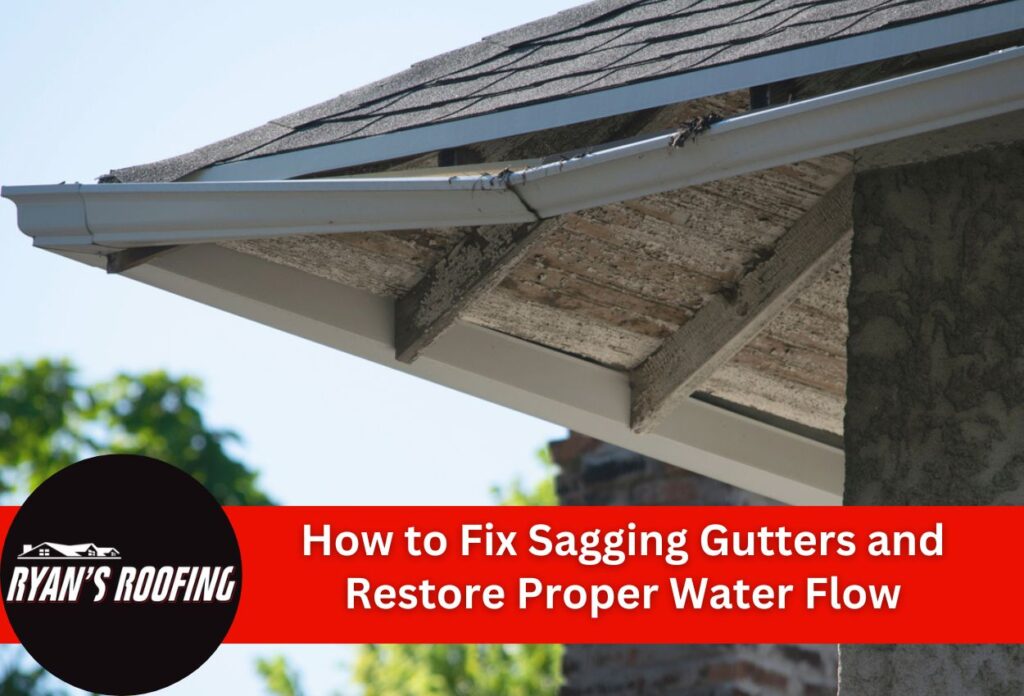
Sagging gutters create serious problems for homeowners that extend far beyond simple aesthetics. When gutters pull away from the roofline or develop noticeable dips and bends, water cannot flow properly toward downspouts. This improper drainage leads to water pooling in sections of the gutter system, creating overflow that damages foundations, erodes landscaping, and can cause structural issues over time.
Understanding the causes of sagging gutters helps homeowners identify problems early and prevent extensive damage. Common culprits include worn or broken gutter hangers, damaged fascia boards, incorrect gutter slope, and the weight of debris accumulation during storms. Ice dams and heavy snow also contribute to gutter system failure, particularly in areas that experience harsh winter weather.
Many gutter repairs can be handled by homeowners with basic tools and moderate DIY skills. Replacing gutter hangers, adjusting slopes, and cleaning out debris are manageable tasks for most people. However, situations involving fascia board damage or extensive structural repairs typically require professional assessment and intervention. Recognizing when to tackle repairs independently versus calling experienced contractors ensures both safety and effective long-term solutions for maintaining water drainage around the home.
What Causes Gutters to Sag in the First Place
Several factors contribute to gutter sagging, with heavy debris buildup being one of the most common causes. Leaves, twigs, and sediment accumulate over time, creating substantial weight that stresses the entire system. When combined with standing water from poor drainage, this excess weight can overwhelm even correctly installed gutter hangers and supports.
Ice dams present another significant challenge for gutter systems. During winter, ice buildup along the roofline creates enormous pressure and excess weight that gutter hangers were never designed to handle. The freeze-thaw cycle compounds this problem, causing metal components to expand and contract repeatedly, which weakens connection points and accelerates system failure.
Age-related deterioration of fasteners and hangers is the primary structural cause behind most sagging gutters. Over years of exposure to weather conditions, screws loosen, brackets corrode, and mounting hardware gradually loses its grip strength. Original installation quality also plays a role, as inadequate spacing between hangers or improper attachment to fascia boards creates weak points that fail under normal conditions.
Replacing gutter hangers is necessary when these components can no longer support the system’s weight. Regular inspections help spot early warning signs like small gaps between gutters and fascia boards, minor sagging sections, or loose mounting hardware before complete system failure occurs.
Tools and Materials You Need Before Starting
Proper equipment is necessary for successful gutter repair techniques and ensures safe completion of the project. A sturdy extension ladder rated for the appropriate height provides secure access to the gutters, while safety equipment, including non-slip shoes, work gloves, and eye protection, prevents injuries during the repair process. Essential hand tools include a cordless drill with various bit sizes, a level for checking proper slope, and a tape measure for accurate spacing calculations.
The fasteners and hardware needed vary depending on the specific causes of sagging gutters being addressed. Heavy-duty gutter screws provide superior holding power compared to standard nails or shorter screws. A socket wrench set helps remove stubborn existing hardware, while a pry bar assists in repositioning sagged sections back into alignment.
Replacement components should match the existing gutter system specifications to ensure an exact fit. New gutter hangers come in several styles, including strap hangers, bracket hangers, and spike and ferrule systems, each designed for specific installation requirements. Quality brackets and mounting hardware resist corrosion and provide long-term durability under normal weather conditions.
Replacing gutter hangers requires additional supplies, such as roofing sealant for weatherproofing connection points, while fascia board damage needs separate materials if structural issues are discovered. Having backup fasteners and extra mounting hardware on hand prevents project delays if unexpected complications arise during the repair process.
Step-by-Step Guide to Replacing Worn Gutter Hangers
Removing damaged hangers requires careful attention to avoid creating additional problems during the repair process. Begin by clearing all debris from the gutter section to reduce weight and provide clear access to mounting hardware. Use a cordless drill or socket wrench to carefully back out screws and fasteners from existing hangers, taking note of their original placement and spacing. When hangers have corroded or broken, a pry bar helps separate remaining hardware from the fascia board without causing unnecessary damage to surrounding materials.
Installing new hangers follows specific spacing requirements that ensure adequate support for the entire gutter system. Position replacement hangers every 18 to 24 inches along straight runs, with closer spacing needed in areas that experience heavy snow or frequent storms. Each hanger must attach securely to solid fascia board material using appropriate screws that go into the rafter tails behind the fascia for maximum holding power.
Proper installation techniques for replacing gutter hangers include maintaining the correct slope toward downspouts while securing each mounting point. Use a level to verify that the gutter maintains its downward pitch of approximately 1/4 inch per 10 feet of run. This slope adjustment creates smooth water flow and prevents the pooling that contributes to future sagging problems.
Testing the completed installation involves checking all connection points for tightness and running water through the system to verify drainage. Address any fascia board damage discovered during the hanger replacement process to prevent future mounting failures and ensure long-term system stability.
Checking and Repairing Damaged Fascia Boards
Damaged fascia boards often serve as the underlying cause behind persistent gutter problems that return even after replacing hangers and adjusting slopes. These wooden boards that run along the roofline provide the mounting surface for gutter systems, and when they deteriorate, no amount of new hardware can create a secure installation. Fascia board damage typically develops gradually through exposure to moisture, creating soft spots and rot that compromise the entire structural support system.
Several warning signs indicate fascia board problems that require immediate attention during gutter repair projects. Soft or spongy areas around existing screw holes suggest moisture infiltration and wood rot beneath the surface. Paint that bubbles, peels, or shows water stains points to ongoing moisture problems that have likely damaged the underlying wood. Visible gaps between the gutter and fascia board often result from deteriorated mounting surfaces that can no longer hold fasteners securely.
Simple repair methods work effectively for minor fascia issues discovered during gutter maintenance. Small soft spots can be treated by removing the damaged wood section and filling the area with exterior wood filler compound. Once the filler cures completely, sand the surface smooth and apply primer and paint to protect against future moisture damage. For loose areas around screw holes, drilling new pilot holes in solid wood sections and using longer fasteners often provides adequate holding power.
Extensive board replacement is generally necessary when rot has spread throughout significant portions of the fascia system, making temporary repairs ineffective for long-term gutter support.
Adjusting Gutter Slope for Better Water Drainage
Gutter slope is a critical component of effective water management that often gets overlooked during basic gutter repair techniques. Even perfectly installed hangers and brackets cannot compensate for incorrect pitch that prevents water from flowing toward downspouts. The standard slope of 1/4 inch drop per 10 feet of gutter run ensures adequate water movement without creating excessive flow speeds that could cause erosion problems at discharge points.
Measuring existing slope requires basic tools and a careful approach to identify problem areas throughout the system. Position a long level against the gutter bottom and measure the distance between the level and gutter at both ends of each section. A string line stretched between mounting points provides an accurate reference for determining where sagging has disrupted the original slope pattern. Mark sections that show reverse slopes or flat areas where water tends to pool rather than flow toward outlets.
Creating proper downward pitch involves adjusting hanger positions while maintaining secure attachment to fascia boards. Loosen existing mounting screws and carefully reposition each hanger to achieve the correct slope, working systematically from the high end toward each downspout location. This process often reveals additional causes of sagging gutters, including insufficient support spacing or deteriorated mounting hardware that needs to be replaced during the slope correction process.
Repositioning sagged sections requires patience and attention to maintaining consistent water flow patterns throughout the entire gutter system. Test the adjusted slope by running water through each section and observing drainage performance before securing all mounting hardware permanently.
Tips to Prevent Future Gutter Problems
Establishing a consistent maintenance routine helps homeowners avoid the recurring expense and frustration of major gutter repairs. A proper maintenance schedule should include seasonal cleaning to remove debris accumulation and thorough inspections of all mounting hardware. Spring cleaning removes winter debris and ice damage remnants, while fall maintenance clears leaves and prepares the system for harsh weather conditions ahead.
Regularly inspecting gutter hangers during routine maintenance catches developing problems before they require extensive gutter repair techniques. Check each hanger connection point for loose screws, corrosion signs, or gaps between mounting brackets and fascia boards. Pay extra attention to areas where heavy debris tends to accumulate, as these sections experience higher stress loads that accelerate hardware deterioration and contribute to sagging gutters over time.
Several warning signs indicate developing gutter problems that need immediate attention before major structural issues develop. Small gaps appearing between gutters and the roofline suggest mounting hardware is beginning to fail or pull away from fascia boards. Water stains on exterior walls below gutter lines point to overflow problems that may result from improper slope or blocked drainage paths, requiring professional assessment.
Additional red flags include visible rust or corrosion on mounting brackets, minor sagging in gutter sections between hangers, and pooling water that remains after normal drainage periods. Addressing these early indicators through prompt repairs prevents the need for complete system replacement and protects against fascia board damage that significantly increases repair complexity and costs.
Gutter Repair Services in Harrisburg
If your gutters are sagging or not draining properly, it’s crucial to fix the problem as soon as possible to prevent water damage to your home’s foundation and landscaping. While some minor repairs can be handled on your own, significant gutter repair work often requires professional expertise. At Ryan’s Roofing LLC, we specialize in diagnosing and fixing all types of gutter problems, from sagging gutters due to heavy debris and ice dams to replacing worn-out hangers and adjusting gutter slope for optimal water flow.
Don’t let gutter issues lead to bigger, more expensive problems. Call us today at (717) 608-1587 and ensure your home is protected with properly functioning gutters. Our team is ready to provide you with efficient, reliable service that stands the test of time.