

 GET FREE ROOF ESTIMATE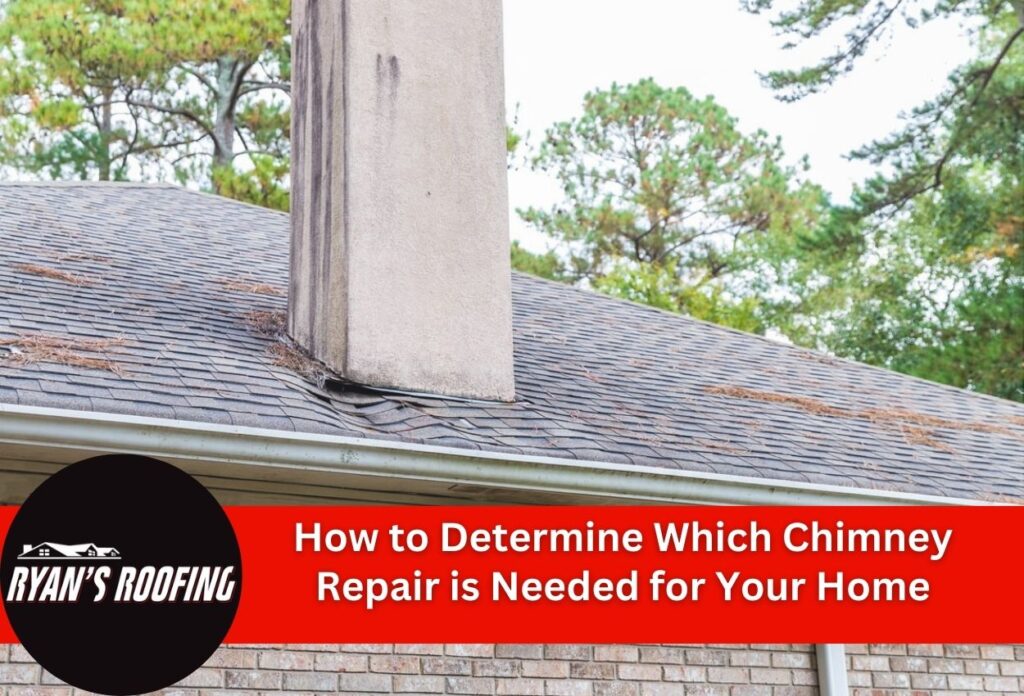
Key Points:
- To determine which chimney repair is needed, homeowners must systematically assess exterior and interior warning signs like cracks, stains, or odors.
- Match specific chimney damage symptoms—such as water leaks, rust, or draft issues—to appropriate structural or functional repair solutions.
- Understand when chimney repairs require professional intervention due to safety risks or structural complexity, versus minor DIY maintenance.
Identifying the right chimney repair starts with recognizing specific warning signs before they escalate into dangerous structural problems or safety hazards. Many homeowners notice issues like water stains, crumbling mortar, or unusual odors, but struggle to connect these symptoms to the underlying problems that require attention.
A systematic approach to chimney damage assessment helps property owners understand what types of chimney repairs their situation requires. Signs you need a chimney inspection include visible cracks in the exterior masonry, white staining on the chimney exterior, rust on the damper or firebox, and deteriorating chimney crown or cap components.
Chimney structural problems often manifest differently depending on their location and severity. Knowing when to repair a chimney versus when to seek professional evaluation can prevent minor issues from becoming major reconstruction projects. Different damage patterns point to specific repair needs, from simple repointing and waterproofing to more complex rebuilding of deteriorated sections.
Understanding these connections between visible symptoms and required repairs enables homeowners to make informed decisions about their chimney maintenance and safety.
Warning Signs That Signal Your Chimney Needs Professional Attention
Recognizing early warning signs helps homeowners understand which specific chimney repairs their property requires before minor issues become major safety concerns. External indicators provide clear evidence of structural deterioration that needs immediate attention from qualified professionals.
Damaged bricks, cracked mortar joints, and deteriorating chimney crowns represent common exterior warning signs during chimney damage assessment. White staining on masonry surfaces indicates leaking issues, while loose or missing chimney caps signal the need for protective repairs. These visible chimney structural problems often point to specific types of chimney repairs, from repointing mortar joints to crown reconstruction.
Interior warning signals include water stains on walls or ceilings near the fireplace, rust damage on dampers or fireboxes, and persistent musty odors that indicate leaks. These signs mean that you need a chimney inspection to help determine both the size and urgency of required repairs. Rust formation suggests ongoing water damage that requires immediate waterproofing solutions, while unusual odors may indicate blocked flues or damaged chimney liners.
Knowing when to repair a chimney depends on identifying these specific warning patterns and understanding how each symptom connects to particular structural issues requiring professional intervention.
Conducting a Visual Assessment of Your Chimney Structure
A thorough visual assessment from ground level provides essential information for determining which chimney repairs your property needs. This systematic evaluation reveals critical details about chimney structural problems without requiring dangerous roof access or specialized equipment.
Start the chimney damage assessment by examining the exterior masonry for cracks, loose bricks, or deteriorating mortar joints. Check the chimney crown for chips or separations, and inspect the chimney cap for damage or missing components. Look for white staining on the brick surface, which indicates leaks have formed, requiring specific types of chimney repairs like waterproofing or crown sealing.
Seasonal inspections reveal how the weather impacts chimney condition and help identify when to repair a chimney before problems get worse. Spring assessments often show freeze-thaw damage to mortar joints, while fall evaluations may reveal summer heat damage to chimney crowns. These weather-related patterns provide clear signs you need a chimney inspection and indicate specific repair priorities.
Document any tilting, leaning, or structural irregularities that suggest foundation issues requiring immediate professional attention. This visual documentation helps professionals understand the size of the needed repairs and ensures appropriate solutions for identified problems. Consistently inspecting chimney flashing, mortar joints, caps, and crown prevents water infiltration and minimizes the risk of accelerated masonry deterioration.
Understanding Different Categories of Chimney Problems
Chimney problems fall into two distinct categories that require different repair approaches and techniques. Understanding these categories helps homeowners recognize which specific issues affect their chimney system and determine the appropriate repair solutions needed.
Structural chimney problems involve the physical framework and masonry components of the chimney system. These chimney structural problems include foundation settling, deteriorating bricks, crumbling mortar joints, and damaged chimney crowns. During chimney damage assessment, structural issues often appear as visible cracks, loose masonry, or leaning chimney sections that compromise the entire system’s stability.
Functional problems affect the chimney’s operational systems, including blocked or damaged flues, malfunctioning dampers, and inadequate ventilation. These issues create safety hazards through improper smoke evacuation, carbon monoxide risks, and fire dangers. Signs you need a chimney inspection for functional problems include poor draft, smoke entering the home, or unusual odors during fireplace operation.
Knowing when to repair a chimney depends on accurately identifying whether problems stem from structural deterioration or functional system failures. Different types of chimney repairs address these distinct categories, from masonry restoration techniques for structural issues to mechanical repairs for operational problems affecting chimney performance.
Matching Damage Symptoms to Specific Repair Solutions
Water damage patterns reveal which specific repair solutions your chimney system requires. Understanding how damage location connects to particular repair needs helps homeowners identify whether problems stem from crown deterioration, flashing failures, or interior waterproofing issues requiring professional attention.
Water stains appearing near the chimney base typically indicate flashing problems where the chimney meets the roofline. These signs indicate that you need a chimney inspection, flashing repair, or replacement as the primary solution. Conversely, water damage concentrated around the chimney top suggests crown repair needs, while interior moisture throughout the chimney system indicates comprehensive waterproofing requirements.
Draft problems, smoke, and reduced heating efficiency connect directly to specific chimney components requiring repair or replacement. Poor draft often results from damaged or obstructed flue liners, while smoke entering living spaces typically indicates a damper malfunction or structural gaps in the chimney system. These chimney structural problems require different types of chimney repairs, from damper adjustment to complete liner replacement.
Chimney damage assessment involves connecting visible symptoms to underlying component failures. Knowing when to repair a chimney depends on accurately matching these damage patterns to appropriate repair solutions that address root causes rather than surface symptoms.
Determining When Repairs Require Professional Intervention
Certain chimney repairs involve significant safety risks and structural complexities that make professional intervention essential for proper completion. Understanding these factors helps homeowners recognize when DIY approaches become inadequate and potentially dangerous for their property and personal safety.
Height-related work, structural modifications, and electrical components represent primary safety considerations requiring professional expertise. Chimney structural problems involving foundation issues, major masonry reconstruction, or flue liner replacement need specialized tools and technical knowledge beyond typical homeowner capabilities. These types of chimney repairs often require permits, inspections, and compliance with local building codes.
The extent and location of damage significantly influence repair complexity and professional requirements. Minor surface repairs like repointing small mortar sections may suit homeowner maintenance, while extensive deterioration affecting multiple chimney components requires a professional assessment. Signs you need a chimney inspection include widespread cracking, tilting structures, or multiple simultaneous problems indicating systemic failures.
Knowing when to repair a chimney professionally versus attempting maintenance depends on damage severity and safety implications. Chimney damage assessment reveals whether issues require minor touch-ups, major reconstructive work, or complete chimney replacement based on structural integrity and repair feasibility.
Planning Your Chimney Repair Project for Long-Term Success
Successful chimney repair projects require careful planning that addresses both immediate safety concerns and long-term structural integrity. Property owners often face multiple repair needs simultaneously, making strategic prioritization essential for effective project management and the best outcomes.
When chimney damage assessment reveals several issues requiring attention, budget constraints typically require addressing the most critical problems first. Safety hazards like structural instability, damaged flue liners, or compromised crowns take precedence over cosmetic repairs. Signs you need a chimney inspection often include multiple interconnected problems that require phased repair approaches to maintain chimney functionality throughout the process.
Seasonal timing plays a crucial role in chimney repair planning, particularly for properties requiring heating system access during fall and winter. Understanding when to repair a chimney involves balancing urgent safety needs with practical scheduling considerations. Different types of chimney repairs have the best timing windows that maximize effectiveness while minimizing disruption to household heating needs.
Chimney structural problems often interconnect, making comprehensive planning essential for addressing root causes rather than surface symptoms. Proper project sequencing ensures repairs support each other and contribute to long-term system reliability and performance.
Expert Chimney Repair Services in Your Area by Ryan’s Roofing LLC
If you’ve noticed any of the signs mentioned in our discussion, it’s crucial not to delay chimney repairs. Ignoring issues like mortar deterioration, visible brick damage, or interior water stains can lead to more significant problems, putting your home and safety at risk. Whether it’s structural concerns or functional inefficiencies, Ryan’s Roofing LLC is here to provide professional and reliable solutions tailored to your specific needs.
To ensure your chimney remains in the best condition, don’t hesitate to call us for a comprehensive inspection and tailored repair services. Reach out to Ryan’s Roofing LLC today at (717) 608-1587 to schedule your consultation and secure the functionality and safety of your chimney for years to come.