


 GET FREE ROOF ESTIMATE
 Common Fiber-Cement Siding Problems Every Homeowner Should Know About


Fiber-cement siding has become one of the most popular exterior materials for homes across the country, offering durability and aesthetic appeal that many homeowners find attractive. This composite material is made from a mixture of cement, sand, and cellulose fibers to create a product that mimics the look of wood while promising better resistance to weather and pests. Despite its reputation as a low-maintenance option, fiber-cement siding problems can develop over time, leaving homeowners facing unexpected repairs and maintenance challenges.
Knowing potential fiber-cement siding issues helps property owners make better decisions about their home’s exterior and plan for routine upkeep. Fiber-cement siding cracking is a common concern, often appearing around windows, doors, and joints where the material experiences stress. Moisture infiltration, improper installation, and normal settling can all contribute to various fiber-cement siding issues that affect both the appearance and performance of this popular material.
Recognizing the signs of fiber-cement board damage early can prevent minor problems from becoming major headaches. Regular siding inspections allow homeowners to address concerns before they compromise the protective barrier that keeps their homes safe from the elements.
Cracking and Splitting Issues That Damage Your Home’s Exterior
Temperature fluctuations create significant stress on fiber-cement siding, causing the material to expand and contract repeatedly throughout the year. This constant movement weakens the siding over time, particularly around fastener points and seams where the material experiences the greatest tension. Improper installation compounds these problems when contractors fail to leave adequate expansion gaps or use incorrect fastening techniques, leading to fiber-cement siding cracking that compromises both protection and curb appeal.
House settling is another major contributor to siding damage, as the natural movement of a home’s foundation creates stress points that manifest as visible cracks. These structural shifts often produce hairline fractures that gradually widen into more serious splits.
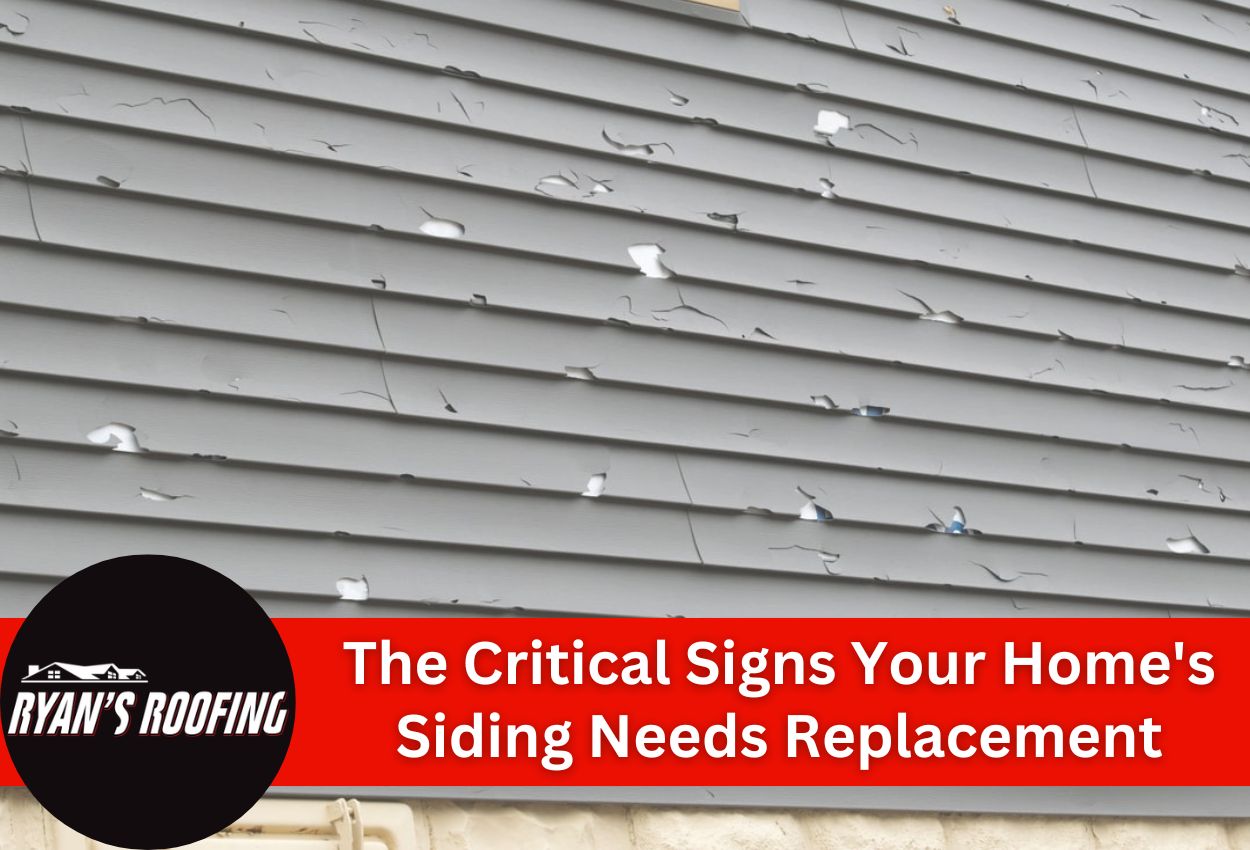
Different cracks indicate varying levels of concern for homeowners dealing with fiber-cement siding issues. Hairline surface cracks typically affect only the outer layer and pose minimal structural risk, while deep splits that penetrate through the entire thickness of the material allow moisture penetration that can damage underlying structures. Horizontal cracks often signal installation problems, whereas vertical splitting usually results from thermal expansion or settling issues.
Regular fiber-cement board siding maintenance includes monitoring these crack patterns to determine which problems require urgent professional attention versus those that can be addressed during routine repair work.
Moisture Problems That Lead to Major Damage
Water infiltration behind fiber-cement siding occurs through multiple pathways that homeowners often overlook until significant damage becomes apparent. Inadequate caulking around windows, doors, and trim creates entry points where moisture seeps behind the siding panels. Failed or missing house wrap allows water to reach the structural components of the home, while improperly installed flashing redirects water into wall cavities instead of away from the building.
Once water seeps behind the siding, it becomes trapped against the home’s sheathing and insulation, creating an environment where rot and decay flourish unchecked. The moisture saturates wooden framing members, compromises insulation, and can spread throughout wall systems before becoming visible on interior surfaces. This hidden damage often requires extensive fiber-cement siding repair that extends far beyond simple panel replacement.
Recognizing the warning signs of moisture problems helps homeowners address these issues before structural damage occurs. Dark staining or discoloration on siding panels indicates water has penetrated the material and begun affecting its integrity. Warping or buckling of individual panels suggests moisture has caused the substrate to swell or shift behind the siding.
Mold growth appearing around seams, corners, or lower sections of the siding reveals ongoing moisture problems that require immediate attention. Professional siding inspections can identify these issues early and prevent the extensive damage that develops when water infiltration goes unaddressed for extended periods.
Installation Mistakes That Create Long-Term Headaches
Installation errors during fiber-cement siding projects create problems that persist throughout the material’s lifespan, often requiring expensive corrections that could have been prevented with proper initial workmanship. Incorrect spacing between panels is one of the most common mistakes, as insufficient expansion gaps prevent natural thermal movement and lead to stress fractures. When contractors install panels too tightly together, the material has nowhere to expand during temperature increases, resulting in buckling, warping, and cracking that appear within the first few years.
Incorrect fastener selection and placement cause both immediate and long-term fiber-cement siding issues that compromise the entire system’s performance. Using inappropriate screws or nails that lack proper corrosion resistance leads to fastener failure and loose panels. Overdriving fasteners crushes the siding material around attachment points, creating weak spots where cracks originate and spread outward over time.
Inadequate flashing installation allows water to seep behind the siding system, creating moisture problems that lead to extensive structural damage. Poor workmanship in flashing details around windows, doors, and roof intersections redirects water into wall cavities instead of safely away from the building envelope.
These installation defects affect the overall performance of fiber-cement siding systems by reducing their weather resistance and life expectancy. Property owners dealing with these problems face repeated fiber-cement siding repair needs, increased maintenance requirements, and premature replacement costs that proper installation would have prevented entirely.
How to Spot Early Warning Signs Before Problems Get Worse
Regularly inspecting fiber-cement siding allows homeowners to identify signs of potential problems before extensive damage is done. Walking around the home’s exterior every few months provides opportunities to spot early signs of damage that might otherwise go unnoticed. Focus attention on areas where different materials meet, such as where siding connects to trim, windows, or doors, as these transition zones experience the most stress and frequently show the first signs of fiber-cement siding problems.
Examine corners and joints closely, looking for hairline cracks, gaps in caulking, or slight separations between panels that indicate movement or settling. Check for any panels that appear to bow outward or pull away from the house, as these conditions suggest fastener problems or moisture issues behind the siding. Pay close attention to areas near ground level where splash-back from rain or irrigation systems creates ongoing moisture exposure that can lead to fiber-cement siding issues.
Seasonal inspections should occur during spring and fall when temperature changes are most dramatic and the effects of thermal expansion are most apparent. Winter freeze-thaw cycles often reveal new cracks or gaps that developed during cold weather, while summer heat can expose installation problems through panel warping or buckling.
The lower sections of exterior walls, areas around utility penetrations, and zones where roof runoff concentrates require extra attention during inspections, as these locations typically show the earliest signs of deterioration.
Effective Repair Solutions for Different Types of Damage
Addressing fiber-cement siding problems requires different approaches depending on the extent and type of damage discovered during inspection. Surface damage like chips or gouges can be addressed with patching compounds, though deep damage may require panel replacement. Minor cracks that only affect the surface layer can often be repaired using high-quality caulk or specialized fiber-cement patches designed specifically for this material. The repair process involves cleaning out loose debris from the crack, applying the patching material, and allowing sufficient curing time before priming and painting to match the existing siding color.
Loose panels typically result from fastener problems that require removing and reinstalling the affected sections with appropriate hardware. This fiber-cement siding repair work involves carefully removing damaged panels without affecting adjacent sections, inspecting the underlying structure for moisture damage, and reinstalling with proper spacing and fastener techniques.
Determining when to replace individual panels versus entire sections depends on the extent of damage and the age of the existing siding. Single-panel replacement works well for isolated fiber-cement siding issues, while multiple adjacent problems often indicate broader installation or moisture concerns requiring section replacement. Professional contractors can assess whether underlying structural damage exists and whether spot repairs will provide lasting solutions.
Prompt attention to maintenance prevents issues from spreading to adjacent panels and compromising larger sections of the exterior system, ultimately saving homeowners from more extensive fiber-cement siding repair projects.
Protect Your Home with Expert Fiber-Cement Siding Solutions from Ryan’s Roofing LLC
Facing issues with your fiber-cement siding can be daunting, but addressing them quickly can save you from more expensive repairs in the future. Whether it’s cracks, moisture damage, or installation errors, Ryan’s Roofing LLC is here to provide you with professional, reliable solutions. Our team specializes in identifying and fixing all types of fiber-cement siding problems, so your home remains beautiful and well-protected against the elements.
If you notice signs of siding damage or need expert advice on maintenance, call us today at (717) 608-1587. Let Ryan’s Roofing LLC help you maintain the integrity and look of your home’s exterior with top-quality fiber-cement siding repairs and preventive strategies.