

 GET FREE ROOF ESTIMATE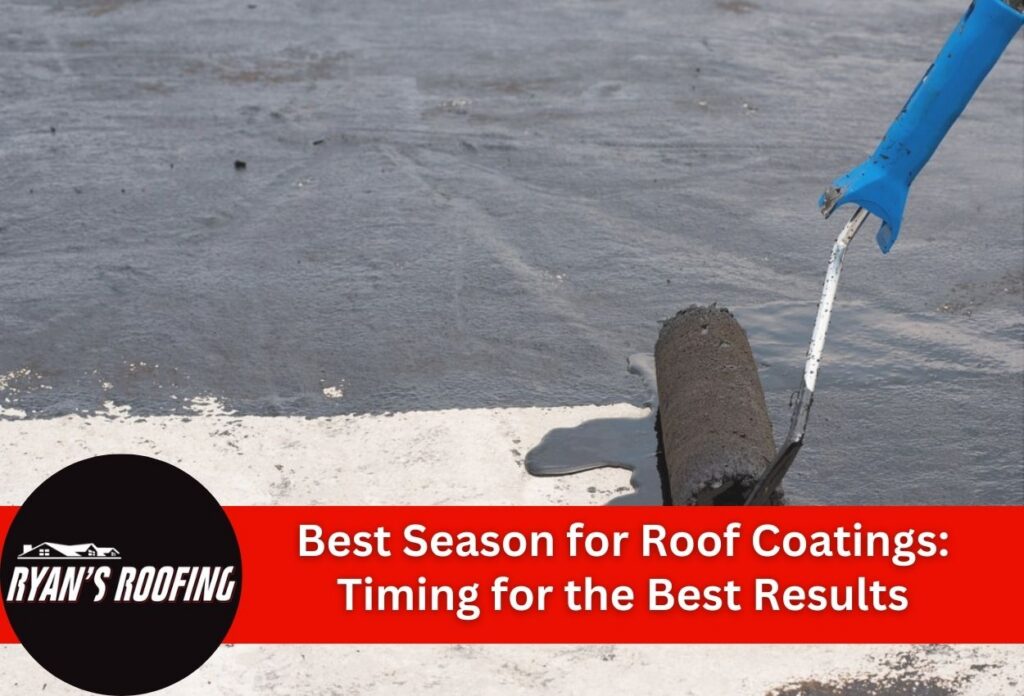
Key Points:
- Spring and fall generally offer the best season for roof coatings due to moderate temperatures and lower precipitation risks, ensuring the best possible adhesion.
- Successful roof coating applications require ambient temperatures between 50 degrees Fahrenheit and 90 degrees and a completely dry, low-humidity surface for proper curing.
- Extreme summer heat or winter cold can compromise coatings, so strategic planning and continuous weather monitoring are crucial to prevent failures.
Choosing the best season for roof coatings represents one of the most critical decisions property owners face when protecting their investment. Temperature fluctuations, humidity levels, and precipitation patterns directly determine whether a roof coating application will deliver decades of protection or fail within months of installation.
Weather conditions for roof coating applications vary dramatically throughout the year, making timing absolutely essential for the best results. Spring roof coating installation and fall roof coating timing emerge as the preferred windows for most projects, offering the ideal balance of moderate temperatures and reduced precipitation risk.
The roof coating application temperature must fall within specific ranges to ensure proper adhesion and curing. When property owners understand when to apply roof coatings based on seasonal weather patterns, they maximize both the performance and lifespan of their roofing system while avoiding expensive application failures that result from poor timing decisions.
Temperature Requirements That Determine Application Success
Roof coating application temperature serves as the foundation for successful installations, with most elastomeric and acrylic coatings requiring ambient temperatures between 50 degrees Fahrenheit and 90 degrees during application and curing periods. These temperature thresholds ensure proper chemical reactions occur within the coating material, allowing it to bond effectively with the existing surface of the roof.
Temperature fluctuations during the critical 24 to 48-hour curing window can compromise the coating’s structural integrity and lead to premature failure. When temperatures drop below the minimum threshold, coatings may fail to cure completely, resulting in soft spots and poor adhesion. Conversely, excessive heat above 90 degrees can cause rapid solvent evaporation, preventing proper film formation and creating brittle, crack-prone surfaces.
Weather conditions for roof coating success extend beyond simple temperature readings to include surface temperature considerations. Dark roof surfaces can reach temperatures 20 to 30 degrees Fahrenheit higher than ambient air temperature, making early morning applications preferable during spring and summer. This temperature sensitivity explains why spring roof coating installation and fall roof coating timing provide the best conditions, offering consistent moderate temperatures that support proper curing without extreme fluctuations that compromise long-term performance.
Spring Application Advantages and Potential Challenges
Spring roof coating installation offers several distinct advantages that make it an attractive option for property owners seeking the best application conditions. The moderate temperatures, typically ranging from 60 degrees to 75 degrees, create ideal circumstances for proper coating adhesion and curing. Lower humidity levels during spring reduce moisture interference with the coating process, while extended daylight hours provide contractors with longer work windows to complete applications without rushing.
However, spring weather patterns present notable challenges that can complicate installation schedules. Unpredictable rain patterns common during this season can delay projects for days or weeks, as the surface of a roof must remain completely dry during the application and initial curing phases. Temperature swings between cool mornings and warm afternoons can affect coating consistency and application quality.
Increased atmospheric moisture from melting snow and spring precipitation creates additional obstacles for roof coating application temperature management. Morning dew and condensation require extended drying periods before work can begin, often limiting daily application windows. Despite these challenges, understanding when to apply roof coatings during spring allows contractors to capitalize on favorable weather conditions while planning for potential delays caused by seasonal weather variability.
Summer Weather Considerations for Roof Coating Projects
Summer presents unique challenges for roof coating applications that require careful planning and modified techniques to achieve successful results. Extreme heat during peak summer creates surface temperatures that often exceed safe roof coating application temperature ranges, with dark roof surfaces reaching 140 degrees or higher during midday hours. These elevated temperatures cause coatings to flash-dry before proper adhesion occurs, leading to poor film formation and reduced durability.
Worker safety becomes a primary concern during summer installations, as prolonged exposure to intense heat and reflective surfaces increases risks of heat-related illness. Application techniques must be adjusted to accommodate these conditions, with work schedules typically limited to early morning hours before temperatures climb beyond acceptable ranges. Material performance also suffers in extreme heat, as rapid solvent evaporation prevents proper leveling and can create brush marks or roller patterns in the finished coating.
Despite these challenges, summer offers significant advantages for determining when to apply roof coatings in specific situations. Consistent dry weather patterns eliminate concerns about precipitation interrupting the curing process, while extended daylight hours provide flexibility for early morning applications. Weather conditions for roof coating during summer deliver predictable environmental stability, allowing contractors to plan projects with confidence once temperature management strategies are implemented effectively.
Fall Installation Benefits and Seasonal Timing Factors
Fall emerges as the best season for roof coating applications due to its exceptionally stable weather conditions that create ideal working environments. Moderate temperatures consistently falling within the perfect 60 degrees to 75 degrees range eliminate concerns about extreme heat or cold affecting coating performance. Lower precipitation risks during autumn provide extended dry periods necessary for proper application and curing, while reduced humidity levels enhance coating adhesion and eliminate moisture-related complications.
The stable atmospheric conditions during fall allow roof coating application temperature requirements to be maintained consistently throughout the day, eliminating the dramatic temperature swings that plague spring and summer installations. Cooler surface temperatures prevent rapid solvent evaporation, ensuring coatings have adequate time to level and cure properly without compromising the film’s structural integrity.
Critical timing considerations require completing fall roof coating timing projects well before winter weather arrives, as regional climate variations significantly impact project scheduling requirements. Property owners must account for their specific geographic location when determining installation windows, as northern climates may experience temperature drops and precipitation changes weeks earlier than southern regions. Proper fall scheduling ensures adequate curing time before winter conditions could compromise the coating’s protective properties.
Weather Conditions That Should Postpone Your Project
Certain atmospheric conditions create environments where roof coating applications will inevitably fail, regardless of the season or preparation efforts. High humidity levels above 85% prevent proper coating adhesion and extend curing times significantly, while wind speeds exceeding 15 mph can carry debris onto wet coating surfaces and cause overspray issues. Barometric pressure changes preceding weather fronts create atmospheric instability that affects coating chemistry and curing processes.
Identifying suitable weather windows requires monitoring multiple atmospheric factors simultaneously to ensure sufficient time for complete application and initial curing phases. Temperature stability becomes crucial, as fluctuations greater than 20 degrees during the first 24 hours can compromise the coating’s structural integrity. Morning dew, fog, or any surface moisture automatically disqualifies application conditions, as coatings require completely dry roof decks for proper bonding.
Precipitation forecasts within 48 hours of planned application should postpone projects entirely, as even light rain can destroy uncured coatings and require complete removal and reapplication. Weather conditions need to be looked at closely as certain conditions could bring unexpected temperature drops, humidity spikes, or precipitation. Smart project timing requires postponing installations when atmospheric conditions fall outside the best possible parameters, protecting both material investment and long-term coating performance.
Planning Your Roof Coating Project Timeline for Maximum Results
Strategic project planning transforms roof coating applications from weather-dependent gambles into precisely orchestrated installations that maximize performance and minimize delays. Successful timeline development requires coordinating multiple factors, including seasonal weather patterns, contractor availability, and building occupancy requirements, to create great application windows.
Building usage considerations play a crucial role in determining when to apply roof coatings, as occupied structures may require specific scheduling to minimize disruption during the installation process. Commercial properties often prefer fall roof coating timing to avoid peak business seasons, while residential applications benefit from spring roof coating installation when homeowners can plan around potential access limitations.
Essential preparation steps begin weeks before actual application dates, including a thorough cleaning of the surface of the roof, minor repair completion, and material procurement scheduling. Weather conditions for roof coating applications require continuous monitoring throughout the planning phase, with backup dates established to accommodate unexpected atmospheric changes. Contingency planning becomes critical when roof coating application temperature requirements cannot be met, ensuring projects maintain momentum despite seasonal weather variations that could otherwise cause significant delays and increased costs.
Discover the Ideal Season for Roof Coatings with Ryan’s Roofing LLC
Choosing the right season for applying roof coatings is crucial for ensuring the longevity and effectiveness of your investment. At Ryan’s Roofing LLC, we emphasize the importance of selecting the best weather conditions to ensure superior adhesion and curing of the coating materials. Whether you’re considering a spring installation to take advantage of moderate temperatures and lower humidity or a fall project to beat the winter chill, our experts are here to guide you.
Spring offers the benefit of extended daylight hours and generally stable weather, making it a prime time for roof coating applications. However, fall is often ideal, providing a perfect balance of cool, consistent weather conditions essential for the best possible curing. Each season has its unique advantages and potential challenges, and our team at Ryan’s Roofing LLC is skilled in navigating these to meet your specific needs.
Don’t let the wrong timing compromise your roof coating project. Call Ryan’s Roofing LLC today at (717) 608-1587 to schedule a consultation and ensure your roof is protected year-round with the best seasonal timing for your coating application.